Learn the realistic timeline for walking normally after knee replacement. From assisted steps in 24 hours to full independence by 6-12 months, discover what to expect.
Read MoreOrthopedics – Quick Tips for Bone, Joint & Spine Pain Relief
Welcome to the orthopedics hub where we cut through the jargon and give you straight‑forward advice. Whether you’re dealing with a sore knee, a broken bone, or a nagging back ache, the right information can make the difference between lingering pain and a smooth recovery.
Choosing the Right Specialist
First things first – you need the right doctor. If the pain is in your back, look for a spine specialist or a neurosurgeon; for knees, hips, or shoulders, an orthopedic surgeon is the go‑to. Don’t settle for the first name you find. Ask about their experience with the specific procedure you need, check patient reviews, and make a list of questions before the appointment. Knowing what to ask helps you feel in control and reduces the chances of miscommunication.
Managing Pain After Surgery
Post‑operative pain is normal, but it shouldn’t keep you glued to the couch. Modern pain control options include regional blocks, oral medications, and even low‑dose nerve‑targeted therapies. Follow your surgeon’s schedule, take meds at the right time, and use ice packs or gentle movement as soon as you’re cleared. Most knee replacements, for example, see the worst pain subside within a week, and many patients can start light walking by day three.
Recovery timelines vary, but a few rules hold true across procedures. Bed rest is rarely needed beyond the first 24‑48 hours; early mobility speeds up healing. If you’re wondering when you can shower after a knee replacement, most surgeons say 48‑72 hours, provided the incision is protected. And driving? Generally wait at least two weeks, but only if you can comfortably operate the pedals and your reflexes feel normal.
Don’t overlook the power of everyday habits. Staying hydrated, eating anti‑inflammatory foods, and getting enough sleep all boost tissue repair. Simple drinks like turmeric milk or tart cherry juice can help calm joint inflammation without any fancy supplements.
Stiffness after joint surgery is another common concern. Gentle stretching and guided physiotherapy usually melt it away within the first few weeks. If you notice lingering tightness, talk to your therapist about targeted exercises – they’re often more effective than generic stretches.
Lastly, remember that not all activities are safe forever. After a knee replacement, high‑impact sports like basketball may be off‑limits for good, while low‑impact options such as swimming keep you active without risking the implant. Knowing these permanent restrictions ahead of time helps you plan a realistic, enjoyable lifestyle.
In a nutshell, orthopedics isn’t just about surgery – it’s about making smart choices before, during, and after the procedure. Pick a qualified specialist, follow pain‑management plans, move early, and hydrate smartly. Follow these steps and you’ll give your bones, joints, and spine the best shot at a pain‑free life.

Knee Replacement Recovery Timeline: When Can You Walk Normally?
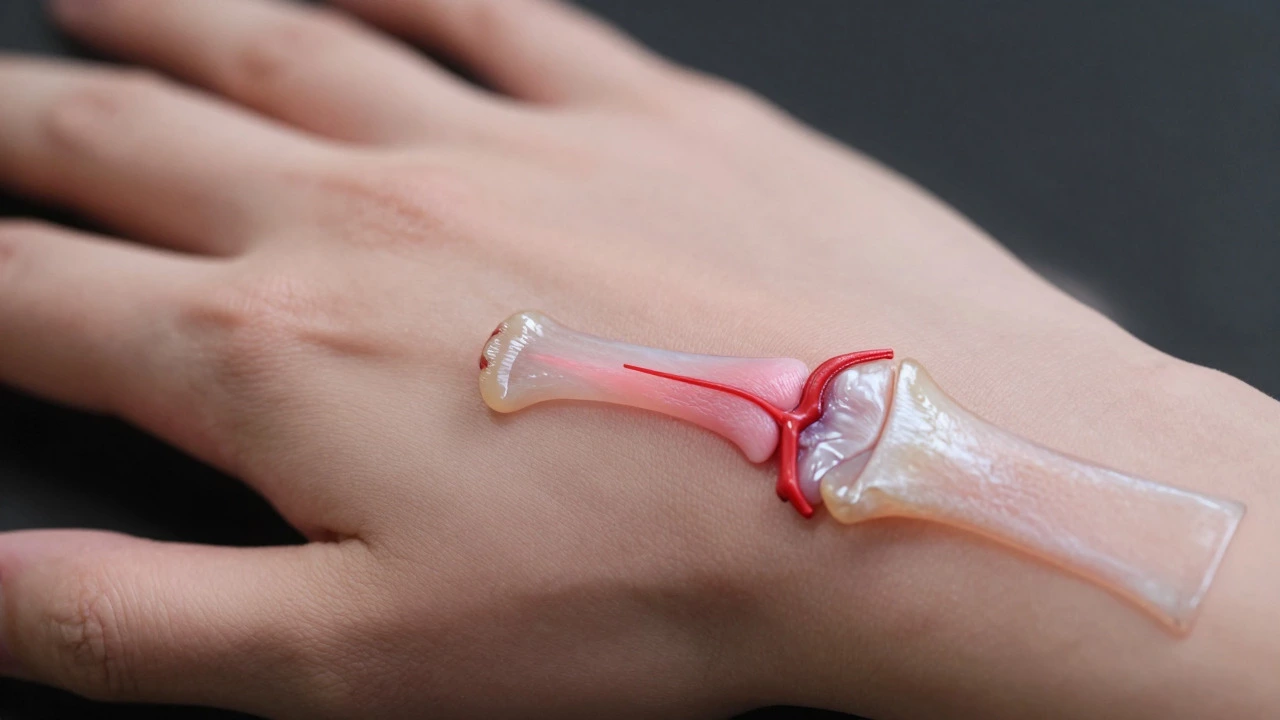
What is the Hardest Bone to Heal? Scaphoid, Femoral Neck & Tibia Explained
Discover which bones are hardest to heal, including the scaphoid, femoral neck, and tibia. Learn why blood supply and mechanics cause delays, and how to improve recovery outcomes.
Read More
What Do Orthopedics Take Care Of? A Complete Guide to Bone, Joint & Muscle Health
Discover what orthopedics really covers-from sports injuries to arthritis, back pain to joint replacements. Learn when to see a specialist, common treatments, and how to prevent future problems.
Read More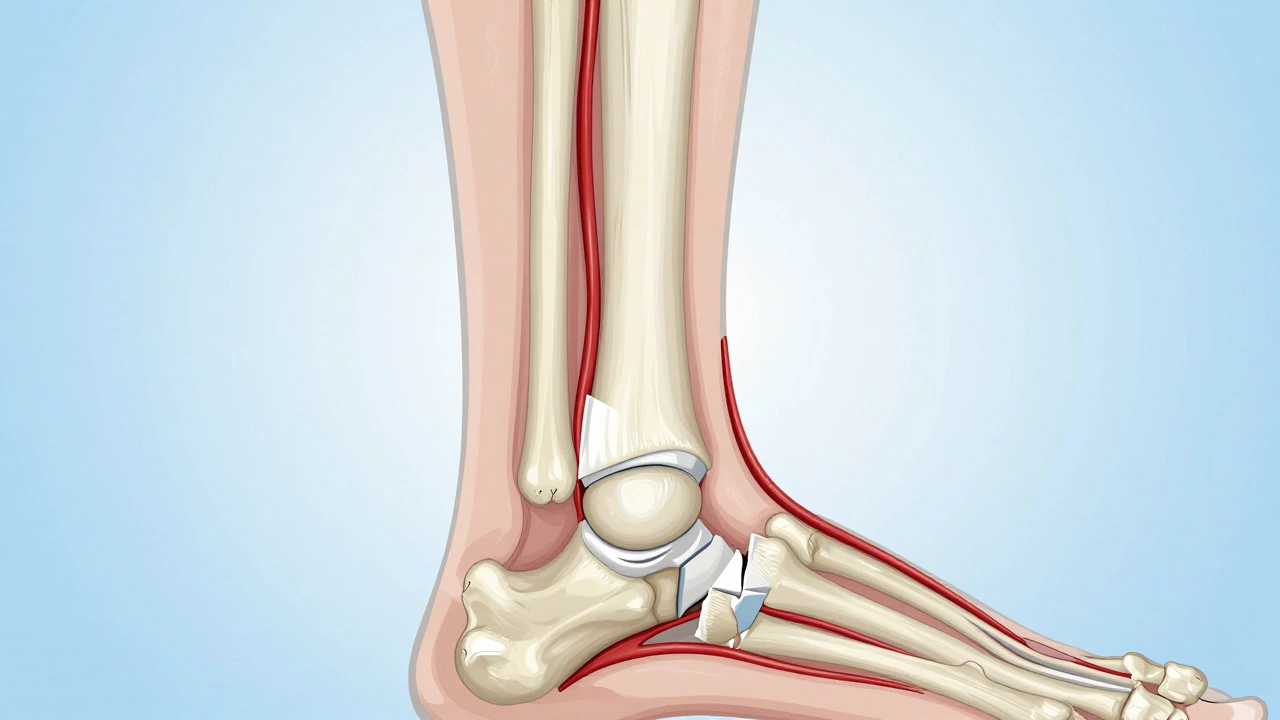
Why the Fibula Never Fully Heals: Understanding Non-Union in Orthopedics
Discover why the fibula is often cited as the bone that never heals. Learn about avulsion fractures, non-unions, and how the body prioritizes function over perfect anatomy.
Read More
Can You Fix Bone-on-Bone Knee Without Surgery? Real Options for 2026
Discover if bone-on-bone knee requires surgery. Explore effective non-surgical options like PRP, physical therapy, and weight management to relieve pain and improve mobility in 2026.
Read More
What Kind of Doctor Is Best for Joint and Muscle Pain? A Guide to Specialists
Confused about who to see for joint and muscle pain? Learn the differences between orthopedic surgeons, rheumatologists, and physiotherapists to find the right specialist for your symptoms.
Read More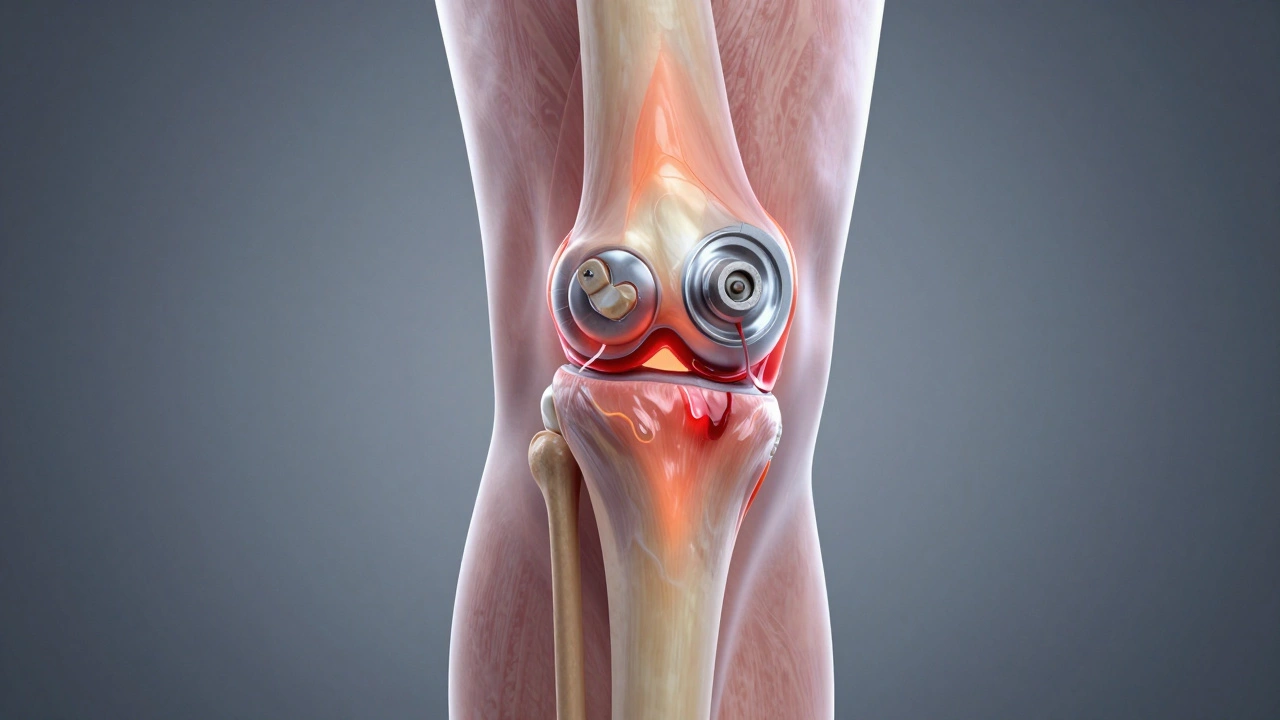
Is Walking Good for Stiff Knees? A Guide to Safe Movement After Knee Replacement
Discover if walking helps stiff knees after replacement. Learn safe techniques, exercises, and tips to restore mobility and reduce pain effectively.
Read More
Can You Reverse Knee Stiffness? Proven Strategies for Mobility
Discover if you can reverse knee stiffness with proven exercises, professional treatments, and lifestyle changes. Learn why timing matters and how to regain mobility.
Read More
What is the fastest way to recover from a knee replacement?
Discover the fastest way to recover from a knee replacement. Learn expert tips on early motion, pain management, and critical exercises to regain mobility quickly.
Read More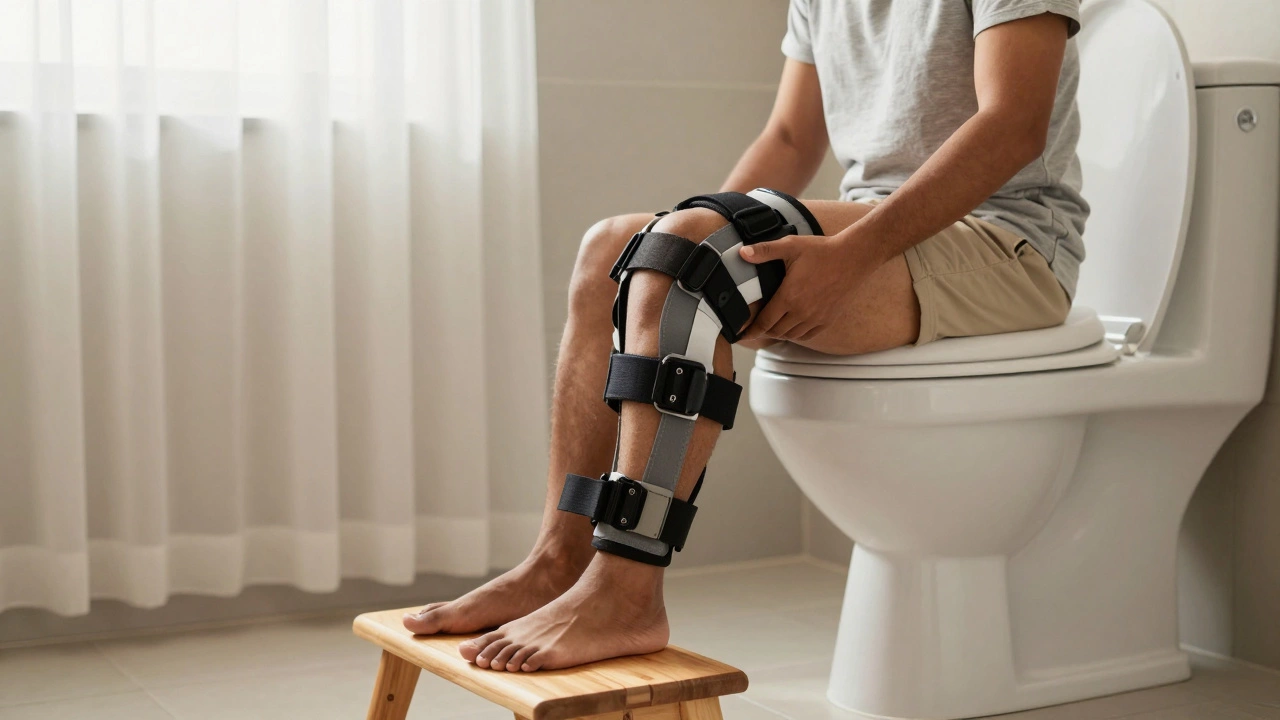
How to Poop After Knee Replacement Surgery: A Complete Guide
Struggling to use the bathroom after knee surgery? Learn safe positioning, dietary tips, and medication strategies to manage constipation and recover comfortably without straining your new joint.
Read More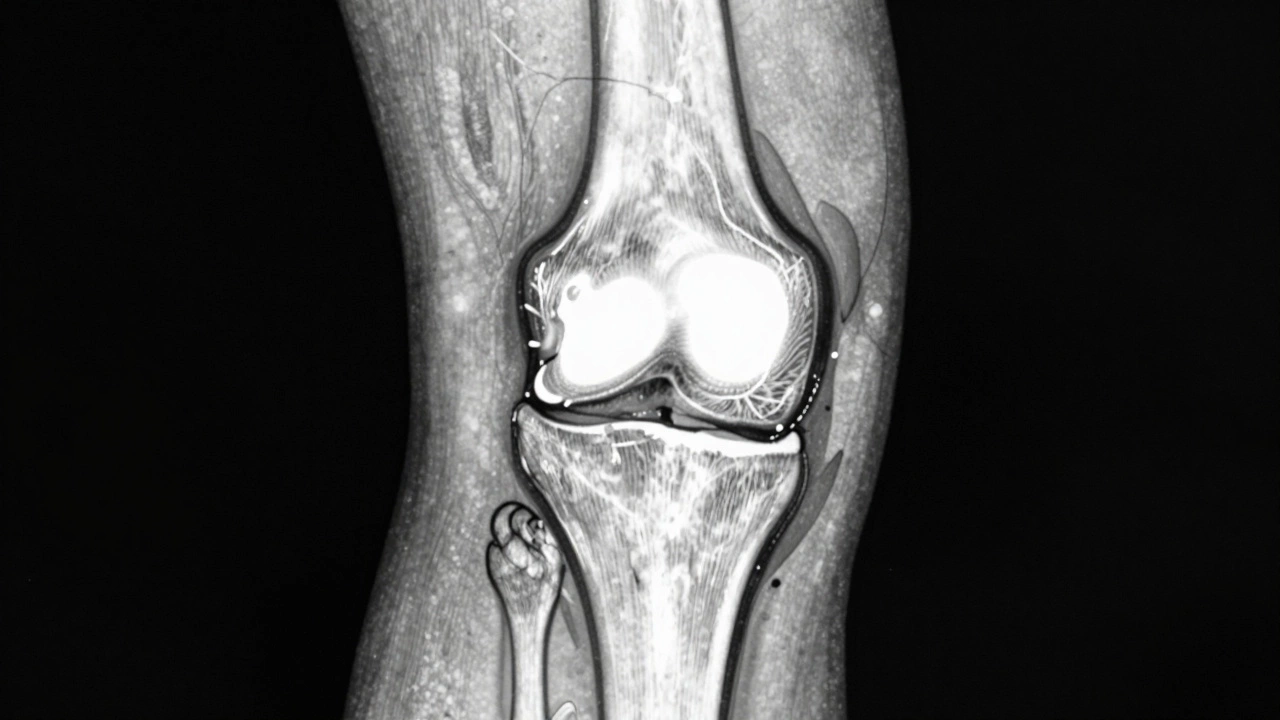
Can You See Arthritis on an MRI? What Doctors Actually Look For
An MRI can reveal hidden signs of arthritis long before X-rays show damage. Learn what doctors look for, when it's needed, and how it changes treatment-without unnecessary fear or false assumptions.
Read More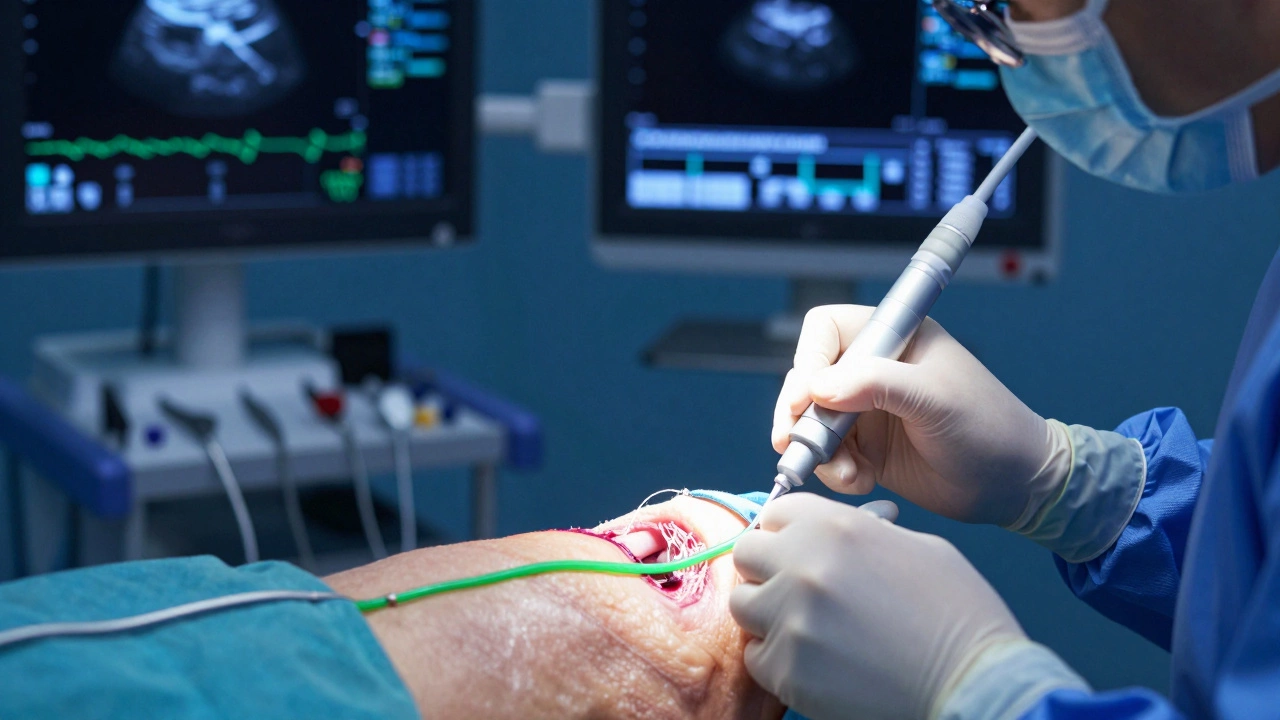
What is the best hospital for nerve damage? Top choices and what to look for
Finding the best hospital for nerve damage means looking beyond general orthopedics. Top centers use specialized surgeons, advanced imaging, and integrated rehab to rebuild nerve function - not just mask pain. Here’s what actually works in 2026.
Read MoreArchive
Categories

IVF: Do You Carry Your Own Baby?
Wondering if you can carry your own baby through IVF? This article clears up the confusion, breaking down how IVF actually works and whether you're the one who gets pregnant. You'll find out what impacts your ability to carry the baby, from your age to your health. Plus, you'll get tips on what to expect and how to talk with your doctor about your options. The goal: give you clear answers so you know what IVF really means for your family.

Understanding the 30/30/30 Rule for Effective Weight Loss
The 30/30/30 rule is a popular approach in the weight loss community, providing a structured method to balance diet, exercise, and lifestyle changes. By focusing on a holistic approach, this rule breaks down strategies into manageable parts to help individuals lose weight more sustainably. With an emphasis on consistency and balance, the 30/30/30 rule can be an excellent way to make lasting changes. Explore how this methodology can aid in efficient weight management and promote healthier living.

Is Ashwagandha Safe? What You Need to Know Before You Try It
Thinking about trying ashwagandha? This article tackles the real safety facts behind this popular herbal supplement. It breaks down what ashwagandha actually is, who should avoid it, how much is okay, and what side effects to watch out for. You'll get research-backed info, simple safety tips, and answers to common worries—so you can make a smart decision for your health.

Understanding Cancer Pain: When Does it Start and Why?
Find out when cancer pain typically starts, how it changes from Stage I to Stage IV, and the difference between tumor-related and treatment-induced pain.
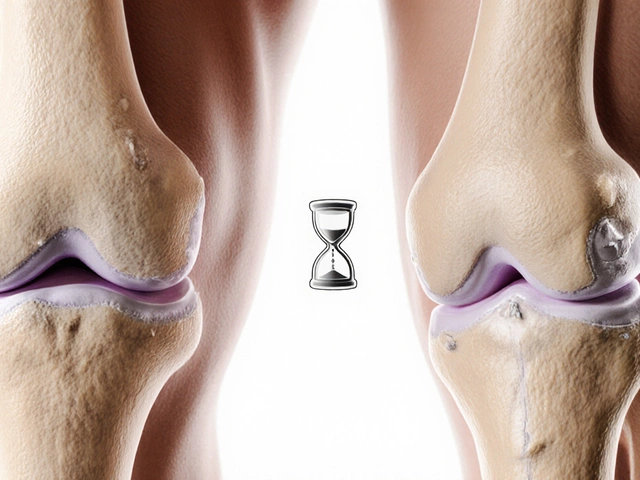
Risks of Delaying Knee Replacement Surgery
Delaying knee replacement raises infection, clot and revision risks, worsens pain and mobility, and adds hidden costs. Learn the medical, functional and financial consequences of waiting too long.