Post-Surgery Bathroom Safety & Readiness Checker
Your Recovery Score
Actionable Next Steps:
It sounds like a strange thing to worry about when you’ve just had major surgery on your leg. You’re focused on walking again, managing pain, and healing the incision. But let’s be honest: trying to use the toilet after knee replacement surgery is often one of the most stressful parts of recovery. It feels awkward, painful, and frankly, scary.
You are not alone in this struggle. Most patients find themselves hesitating at the bathroom door because they aren’t sure how to sit down without hurting their new knee or if they can even push safely. The good news? With the right preparation and a few simple tricks, you can get through this phase comfortably. Here is exactly what you need to know to handle bowel movements during your recovery.
Why Is This So Hard?
Before we talk about techniques, it helps to understand why your body is acting up. It isn’t just the surgery itself; it’s the combination of factors that hit you all at once.
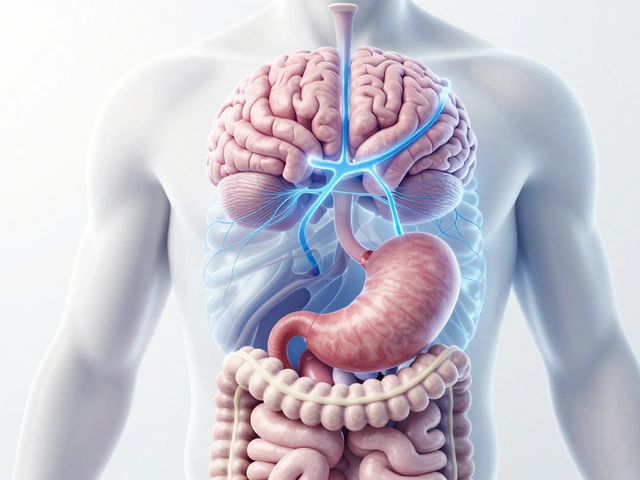
- Anesthesia: General anesthesia slows down your digestive tract significantly. Your gut literally goes to sleep along with you.
- Pain Medication: If you are taking opioids (like oxycodone or hydrocodone) for pain, constipation is almost guaranteed. These drugs reduce the natural contractions of your intestines.
- Dehydration: Many people don’t drink enough water while recovering, which makes stool hard and difficult to pass.
- Fear and Anxiety: Worrying about pulling stitches or causing pain creates tension in your pelvic floor muscles, making it harder to relax and go.
Understanding these causes removes the mystery. It’s not that something is wrong with you; it’s a predictable physiological response to treatment.
The Golden Rule: Don’t Strain
This is the most critical piece of advice from your surgeon. Do not strain. Pushing hard increases pressure in your abdomen and can lead to complications like bleeding, hernias, or dizziness. More importantly for your knee, straining can cause sudden muscle spasms or jerky movements that might compromise your surgical site.
If you feel the urge but nothing happens within a minute or two, stop. Get up, walk around gently if you can, drink some warm water, and try again later. Forcing it never works well and only adds stress to your body.
Positioning: How to Sit Safely
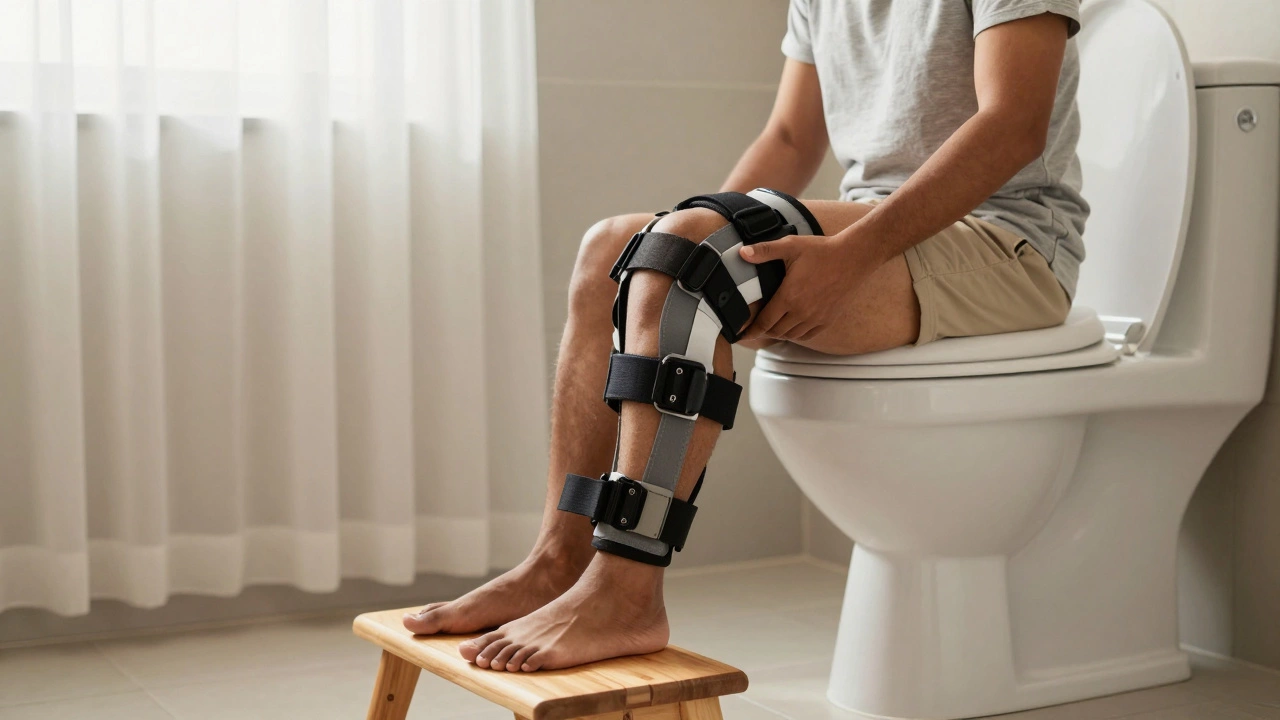
Your physical position matters more than you think. The standard toilet seat height might be too low or too high for your new knee angle restrictions (usually keeping the knee bent no more than 90 degrees initially).
| Item | Purpose | Where to Get It |
|---|---|---|
| Toilet Raised Seat | Elevates the seat so you don't have to bend your knee deeply | Pharmacy or Medical Supply Store |
| Shower Chair | Provides stable support if you prefer sitting upright | Medical Equipment Rental |
| Grab Bar | Gives you something sturdy to hold onto when standing up | Home Improvement Store |
Here is how to set yourself up for success:
- Use a Raised Toilet Seat: This is non-negotiable for many patients. A raised seat brings the surface closer to your hip level, allowing you to sit with less flexion in your knee. It also makes standing up much easier.
- Keep Feet Flat: Ensure both feet are flat on the floor. If your feet dangle, you lose stability. Use a small footstool if needed to keep your knees slightly lower than your hips.
- Lean Forward Slightly: Leaning forward puts gentle pressure on your abdomen, which can help stimulate the bowels naturally without forceful pushing.
- Support Your Good Leg: When standing up, shift your weight onto your healthy leg. Keep the operated leg straight and extended behind you. Do not bear weight on the new knee yet unless cleared by your therapist.
Dietary Adjustments That Work
You can’t control the anesthesia, but you can control what goes into your stomach. Start preparing your diet before surgery if possible, but definitely stick to these rules immediately after.
Fiber is your friend, but balance is key. Too little fiber leads to constipation; too much suddenly can cause gas and bloating, which is painful when you’re lying in bed. Aim for gradual increases.
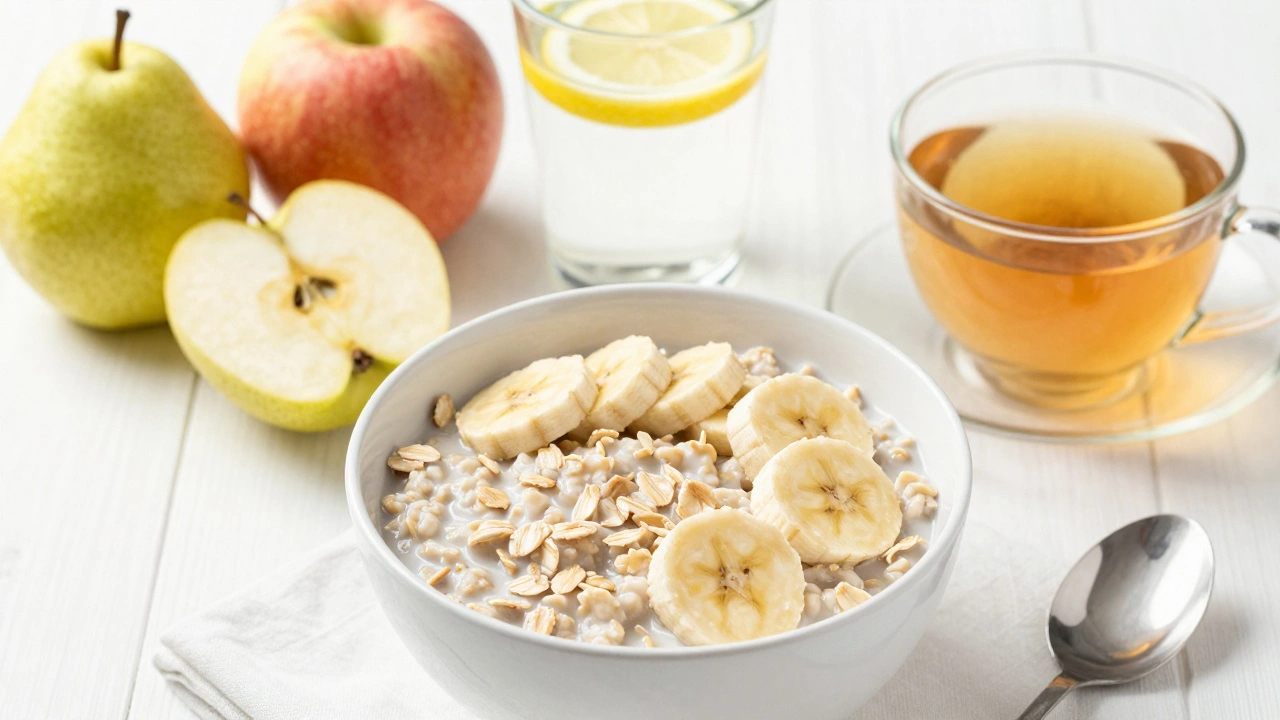
- Soluble Fiber: Found in oats, bananas, and applesauce. This type of fiber absorbs water and forms a gel, softening the stool.
- Insoluble Fiber: Found in whole grains and vegetable skins. This adds bulk. Introduce this slowly.
- Hydration: Drink at least 8 glasses of water a day. Warm liquids, especially herbal tea or warm water with lemon in the morning, can trigger the gastrocolic reflex-the body’s natural signal to move things along.
Avoid heavy, greasy foods and excessive dairy products early in recovery, as these can slow digestion further.
Medication Management
Don’t wait until you are backed up to take action. Prevention is infinitely easier than cure.
Talk to your doctor about starting a mild laxative or stool softener immediately after surgery. Common options include:
- Miralax (Polyethylene Glycol): Draws water into the colon to soften stool. It is gentle and doesn’t cause cramping.
- Docusate Sodium: A stool softener that helps mix water and fat into dry stool.
- Bisacodyl: A stimulant laxative. Use this sparingly and only if softer methods fail, as it can cause cramps.
If you are prescribed opioids, ask your doctor about adding a medication specifically designed to counteract opioid-induced constipation, such as methylnaltrexone, though this is usually reserved for severe cases.
Movement Matters
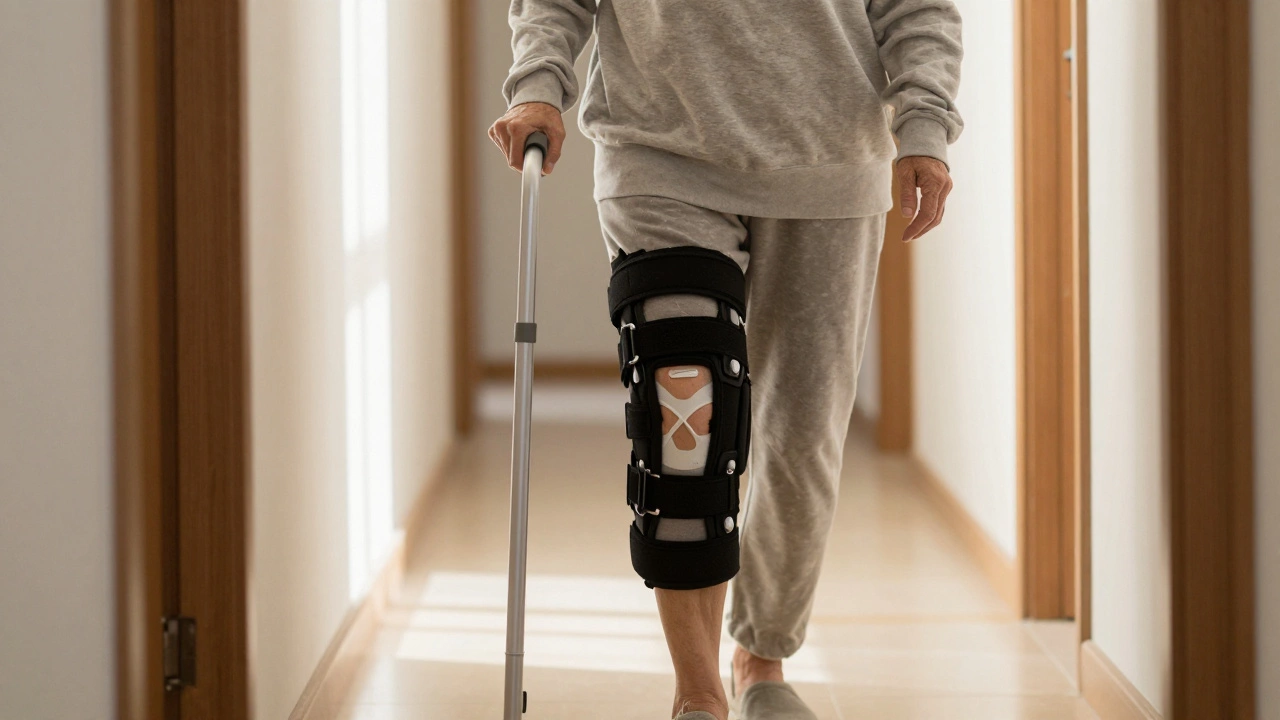
It sounds counterintuitive, but moving your body helps your bowels move. Lying in bed all day stops peristalsis (the wave-like muscle contractions that move food through your digestive tract).
Follow your physical therapist’s guidelines for walking. Even short, frequent walks around your house can stimulate digestion. Gentle ankle pumps and heel slides while lying in bed also promote circulation and gut motility without stressing the knee joint.
When to Call the Doctor
While constipation is normal, certain signs indicate a problem that needs medical attention:
- No bowel movement for more than 3 days despite using laxatives.
- Severe abdominal pain or distension (bloating).
- Nausea or vomiting.
- Blood in the stool (bright red or black/tarry).
- Inability to pass gas at all.
These could be signs of a bowel obstruction or other serious complication. Don’t hesitate to call your healthcare provider.
Practical Tips for the First Week
The first week is the hardest. Here is a quick checklist to keep handy:
- Have your stool softener and water ready before you even think about going.
- Set a timer to remind yourself to drink water every hour.
- Practice deep breathing exercises to relax your pelvic floor before attempting to go.
- Wear loose, comfortable clothing that doesn’t bunch up under your waistband.
- Consider having a caregiver nearby for assistance if you feel dizzy or unsteady.
Remember, this phase is temporary. As you taper off pain medications, increase your activity, and normalize your diet, your body will return to its regular rhythm. Be patient with yourself. Healing takes time, and taking care of your basic needs is part of that process.
Can I use a bidet after knee replacement surgery?
Yes, a bidet can be very helpful because it reduces the need to wipe aggressively, which requires bending. However, ensure the bidet attachment does not require you to lean forward excessively. If using a handheld sprayer, keep your posture upright and supported.
How long does constipation last after surgery?
For most patients, significant constipation lasts 1 to 2 weeks. This coincides with the period of highest opioid use and lowest mobility. As you transition to non-opioid pain relievers like acetaminophen or ibuprofen and begin walking more regularly, bowel function typically normalizes.
Is it safe to squat to use the toilet?
No, squatting is generally unsafe immediately after knee replacement. Most surgeons restrict knee flexion to 90 degrees or less in the initial weeks. Squatting exceeds this limit and puts immense strain on the new joint. Always use a raised toilet seat or a shower chair.
What foods should I avoid to prevent constipation?
Avoid foods known to bind stools, such as white bread, white rice, bananas (if unripe), cheese, and processed meats. Also limit alcohol and caffeine, as they can dehydrate you, worsening constipation.
Can walking really help with bowel movements?
Absolutely. Physical movement stimulates the nervous system and encourages peristalsis in the intestines. Short, frequent walks approved by your physical therapist are one of the most effective natural remedies for post-surgical constipation.