Turmeric Absorption Optimizer
Configure how you consume your turmeric to see if it's effective.
Select your settings and click Calculate to analyze your turmeric routine.
You feel it in your joints after a long day. Your knees ache, your shoulders stiffen, and that low-grade fatigue lingers no matter how much you sleep. We often blame aging or stress, but the real culprit might be sitting quietly in your kitchen cabinet. Chronic inflammation is the silent driver behind arthritis, heart disease, and even cognitive decline. While doctors prescribe powerful drugs to manage it, nature offers a potent alternative that has been used for thousands of years.
If you are looking for the single most effective food to combat this internal fire, the answer isn't a obscure superfood from a remote jungle. It is turmeric, specifically its active compound curcumin. This bright yellow spice is not just a coloring agent for curry; it is a biological powerhouse that directly interrupts the inflammatory process at the cellular level. But here is the catch: eating turmeric powder alone won't do much. You have to use it correctly to unlock its full potential.
Why Turmeric Is the Anti-Inflammatory Champion
To understand why turmeric stands above other anti-inflammatory foods like ginger or berries, we need to look at what happens inside your body when inflammation strikes. Inflammation is your immune system's way of fighting off invaders. When it works correctly, it heals a cut or fights an infection. But when it goes into overdrive-chronic inflammation-it starts attacking healthy tissue.
Curcumin is the primary bioactive substance in turmeric that gives it a vibrant yellow color and powerful medicinal properties. Research shows that curcumin blocks NF-kB, a molecule that travels into the nuclei of your cells and turns on genes related to inflammation. By blocking this pathway, curcumin stops the production of several pro-inflammatory molecules, including cytokines, enzymes, and other factors involved in chronic inflammation. It works similarly to some prescription anti-inflammatory drugs, but without the harsh side effects like stomach ulcers or kidney strain.
Unlike many supplements that target only one aspect of inflammation, curcumin is multi-faceted. It also boosts your body's own antioxidant defenses. Oxidative stress and inflammation go hand-in-hand. Free radicals damage cells, triggering inflammation, which creates more free radicals. Curcumin neutralizes these free radicals while simultaneously stimulating your body's own antioxidant enzymes. This dual action makes it uniquely effective compared to isolated antioxidants found in fruits.
The Absorption Problem: Why Plain Turmeric Fails
Here is where most people get it wrong. They buy expensive turmeric supplements or sprinkle the spice on their rice and expect miracles. The problem is bioavailability. Curcumin is poorly absorbed into the bloodstream. It undergoes rapid metabolism and elimination. If you eat raw turmeric, your body processes it so quickly that very little actually reaches your tissues to fight inflammation.
To make curcumin work, you need two specific helpers: black pepper and fat.
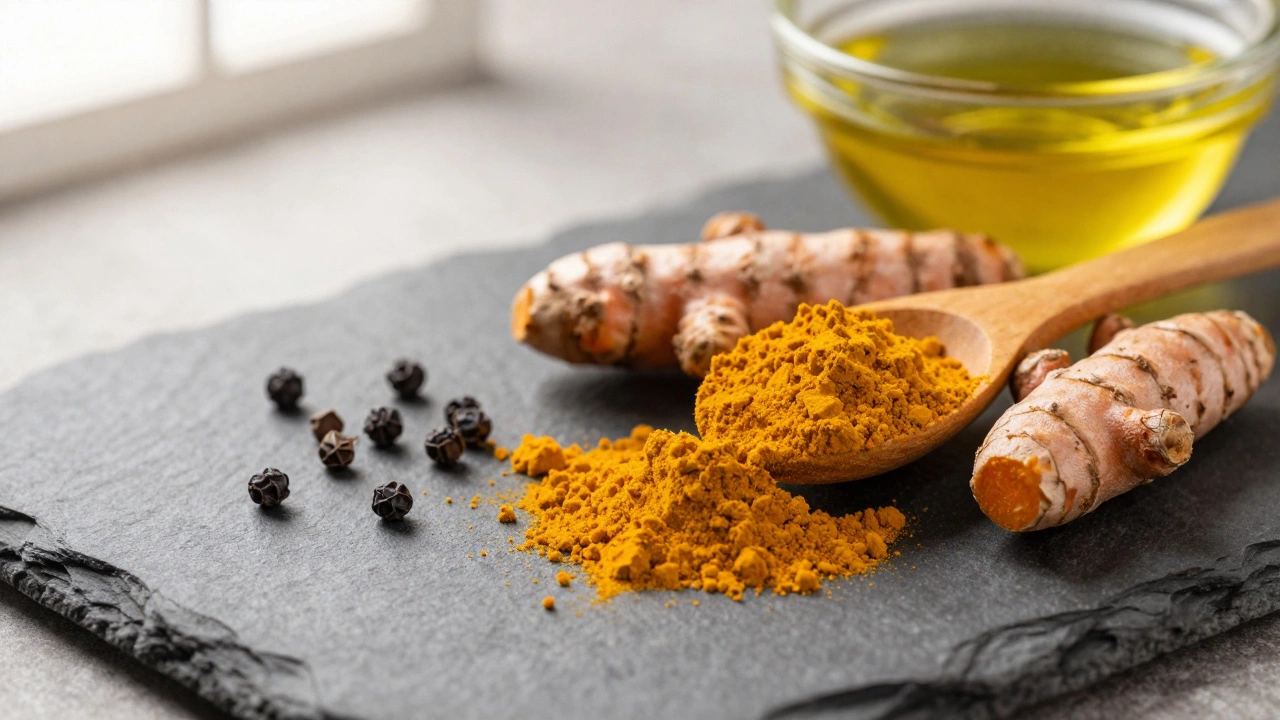
Black pepper contains piperine, a natural alkaloid that inhibits intestinal glucuronidation. In plain English, piperine stops your liver from breaking down curcumin too fast. Studies have shown that adding just a pinch of black pepper can increase the absorption of curcumin by up to 2,000%. That is not a typo. Two thousand percent. Without piperine, most of the curcumin passes through your digestive tract unused.
Fat is the second key. Curcumin is fat-soluble, meaning it dissolves in oil rather than water. Eating turmeric with a source of healthy fat ensures it stays in your digestive system longer and is absorbed properly. Olive oil, coconut milk, avocado, or even a handful of nuts will do the trick. The combination of turmeric, black pepper, and healthy fat creates a synergistic effect that transforms a mild spice into a potent therapeutic agent.
How to Add Turmeric to Your Daily Routine
You don't need to force yourself to eat bitter herbal pills if you don't want to. Integrating turmeric into your meals is simple, delicious, and sustainable. Here are practical ways to ensure you get enough curcumin daily:
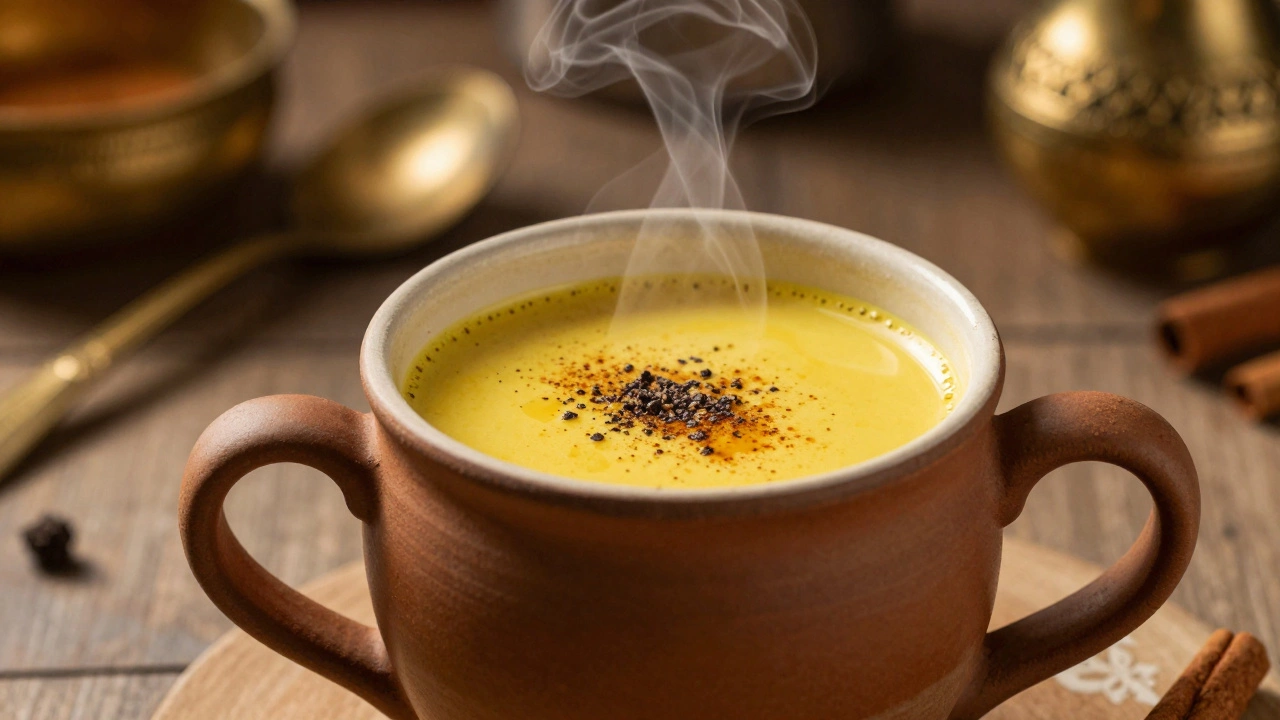
- Golden Milk: This ancient Ayurvedic drink is the easiest way to consume turmeric. Mix one teaspoon of turmeric powder with a cup of warm milk (dairy or plant-based), a pinch of black pepper, and a dash of cinnamon. Drink it before bed to help reduce overnight inflammation and improve sleep quality.
- Sautéed Vegetables: Start your vegetable cooking with a tablespoon of olive oil and half a teaspoon of turmeric. Let it bloom in the heat for 30 seconds before adding onions, garlic, or leafy greens. The fat in the oil helps absorb the curcumin, while the heat activates its flavor.
- Rice and Grains: Stir a quarter teaspoon of turmeric into your rice, quinoa, or lentils as they cook. It adds a beautiful golden hue and a subtle earthy flavor that pairs well with almost any savory dish.
- Smoothies: Blend fresh turmeric root or powder into your morning smoothie. Pair it with fatty ingredients like banana, avocado, or nut butter to enhance absorption. Add a tiny pinch of black pepper-you won't taste it, but your body will thank you.
If you prefer convenience, high-quality supplements are an option. Look for capsules that contain both curcumin and piperine (often labeled as BioPerine). However, whole food sources provide additional phytonutrients that support overall health, so dietary integration should always be your first choice.
Turmeric vs. Other Anti-Inflammatory Foods
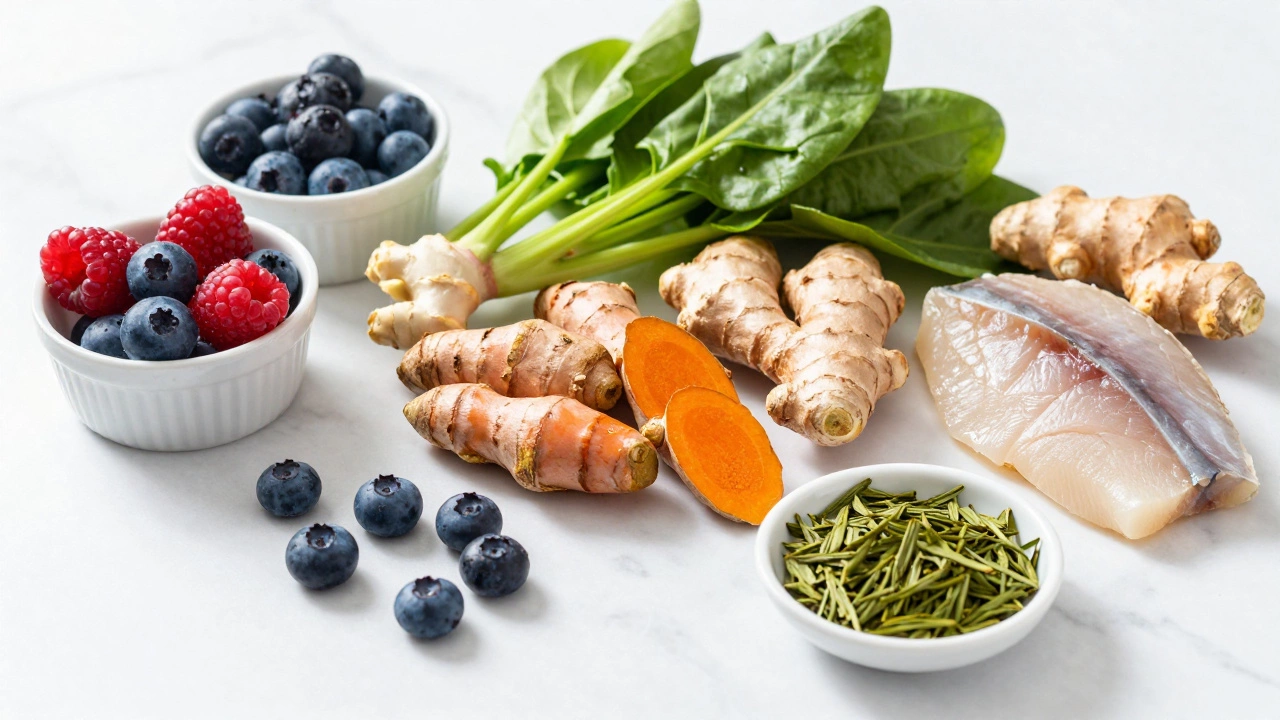
While turmeric is the top contender, it doesn't work in isolation. A truly anti-inflammatory diet includes a variety of foods that support each other. Here is how turmeric compares to other popular anti-inflammatory staples:
| Food Source | Active Compound | Primary Benefit | Absorption Tip |
|---|---|---|---|
| Turmeric | Curcumin | Blocks NF-kB, reduces joint pain | Add black pepper and fat |
| Ginger | Gingerol | Reduces muscle soreness, aids digestion | Eat fresh or steep in hot water |
| Fatty Fish | Omega-3 Fatty Acids | Lowers systemic inflammation markers | Consume 2-3 times per week |
| Berries | Anthocyanins | Antioxidant protection, brain health | Eat raw or frozen for maximum potency |
| Green Tea | EGCG | Metabolic boost, cellular repair | Brew for 3-5 minutes, avoid boiling |
Notice that while fish and berries are excellent, they lack the direct molecular blocking power of curcumin. Ginger is a close second and works beautifully alongside turmeric. Many traditional remedies combine them for a compounded effect. For example, a tea made with turmeric, ginger, and black pepper is significantly more effective than any of those ingredients alone.
Pitfalls to Avoid When Using Turmeric
Even though turmeric is safe for most people, there are common mistakes that reduce its effectiveness or cause issues. First, avoid heating turmeric to extremely high temperatures for prolonged periods. While light sautéing is fine, burning spices destroys their beneficial compounds. Second, do not rely on turmeric as a sole treatment for serious autoimmune conditions. It is a supportive tool, not a replacement for medical care.
Also, be cautious if you take blood-thinning medication. Turmeric has mild anticoagulant properties. If you are on warfarin or aspirin, consult your doctor before adding large doses of turmeric supplements to your routine. Dietary amounts are generally safe, but concentrated extracts can interact with medications. Finally, watch out for low-quality supplements. Some cheaper brands fill their capsules with starch or artificial colors. Look for third-party tested products that guarantee curcumin content.
Building a Long-Term Anti-Inflammatory Lifestyle
Adding turmeric is just one piece of the puzzle. To truly kill inflammation, you must address the root causes. Stress, poor sleep, and processed foods keep your inflammatory pathways activated. No amount of curcumin can counteract a diet high in sugar and trans fats. Think of turmeric as a shield, not a cure-all. It protects your cells while you work on removing the triggers.
Start small. Replace one inflammatory habit with one protective one. Swap sugary drinks for green tea. Add a pinch of pepper to your evening meal. Take ten minutes to walk outside instead of scrolling on your phone. These small changes, combined with the daily use of turmeric, create a cumulative effect that transforms your health over time. Consistency matters more than intensity. A teaspoon of turmeric every day is far more powerful than a tablespoon once a week.
Can I eat turmeric every day?
Yes, consuming turmeric daily is safe and beneficial for most people. Aim for about 1 to 3 grams of turmeric powder or 500 to 2,000 mg of curcumin extract per day. Always pair it with black pepper and a source of fat to ensure proper absorption.
Does fresh turmeric work better than powder?
Fresh turmeric root contains slightly higher levels of curcuminoids than dried powder, but the difference is minimal. Powder is more convenient and consistent in dosage. Both forms are effective as long as you add black pepper and fat to your preparation.
Will turmeric stain my teeth or clothes?
Turmeric is a strong natural dye. It can stain white clothing and porous surfaces like cutting boards. To prevent staining, rinse your mouth after drinking turmeric milk or smoothies, and wash dishes immediately after cooking with it.
Is turmeric safe for people with gallstones?
People with gallstones or bile duct obstruction should use caution with turmeric. It stimulates bile production, which can worsen symptoms if the ducts are blocked. Consult your healthcare provider before using high-dose supplements if you have these conditions.
How long does it take for turmeric to reduce inflammation?
Most people notice reduced joint pain and stiffness within 2 to 4 weeks of consistent daily use. For systemic inflammation markers, such as C-reactive protein, improvements may take 8 to 12 weeks. Patience and consistency are key to seeing results.