
Nerve Pain Treatment Comparison Tool
Discover which nerve pain medication might work best for you based on your condition and side effect concerns. This tool is for informational purposes only and does not replace professional medical advice.
Recommended Options
Pregabalin (Lyrica)
Most effective for diabetic neuropathy and sciatica
Typical dose: 75-300mg daily
Gabapentin (Neurontin)
Good alternative to pregabalin, lower cost
Typical dose: 300-1200mg daily (3x)
Duloxetine (Cymbalta)
Best if depression/anxiety present
Typical dose: 30-60mg daily
Amitriptyline
Helps with sleep, low dose
Typical dose: 10-75mg daily
Lidocaine Patches
For localized pain only
Apply directly to affected area
When nerve pain hits, it doesn’t feel like a regular ache. It’s sharp, burning, or electric-like pins and needles that never stop. People with diabetic neuropathy, sciatica, or post-surgical nerve damage often describe it as unbearable. Many search online for the strongest drug for nerve pain, hoping for a quick fix. But there’s no single magic pill. The most effective treatment depends on your condition, medical history, and how your body responds. What works for one person might do nothing for another.
Why Nerve Pain Is Different
Not all pain is the same. Muscle soreness from lifting weights responds well to ibuprofen or rest. Nerve pain, or neuropathic pain, comes from damaged or overactive nerves. These nerves send wrong signals to your brain, making you feel pain even when there’s no injury. That’s why regular painkillers like paracetamol or even strong opioids often fail here.
Studies show that up to 8% of adults in the UK suffer from chronic nerve pain. Diabetic neuropathy is the most common cause, followed by shingles, spinal stenosis, and injuries from surgery or trauma. The pain isn’t just annoying-it disrupts sleep, limits movement, and can lead to depression if left untreated.
Top Prescription Medications for Nerve Pain
Doctors don’t start with the strongest drugs. They begin with options that have the best safety profile and proven results. Here are the most commonly prescribed medications:
- Pregabalin (Lyrica) - Originally developed for epilepsy, it calms overactive nerves. Many patients report noticeable relief within a week. Doses range from 75mg to 300mg daily. Side effects include dizziness, weight gain, and swelling.
- Gabapentin (Neurontin) - Similar to pregabalin but requires more frequent dosing (three times a day). It’s cheaper and often used as a first-line treatment. Effectiveness varies-some feel better quickly, others need months to adjust.
- Duloxetine (Cymbalta) - An antidepressant that also works on pain signals. Approved for diabetic nerve pain and chronic back pain. Starts at 30mg, often increased to 60mg. Can cause nausea or dry mouth early on.
- Amitriptyline - An older tricyclic antidepressant. Used off-label for nerve pain at low doses (10-75mg at night). Helps with sleep too, which is why many doctors recommend it for patients who can’t sleep due to pain.
- Topical lidocaine patches - For localized pain, like post-shingles nerve pain. Applied directly to the skin, they block pain signals without affecting the whole body. Safe for long-term use.
These aren’t all created equal. Pregabalin and gabapentin are the most widely used because they target the root cause-overactive nerve signaling. Duloxetine is preferred when depression or anxiety also plays a role. Lidocaine patches are ideal if the pain is confined to one area.
What About Opioids? Are They the Strongest?
Many assume opioids like oxycodone or morphine are the strongest option. They’re powerful for bone fractures or post-surgery pain-but not for nerve pain. Research from the National Institute for Health and Care Excellence (NICE) shows opioids have little to no long-term benefit for neuropathic pain. Worse, they carry high risks: addiction, tolerance, constipation, and respiratory depression.
Guidelines in the UK and US now strongly advise against using opioids for chronic nerve pain. They’re only considered in rare cases, like after major trauma or cancer-related nerve damage, and even then, only for short periods under strict supervision.
Strongest? Not Always Best
Calling one drug the “strongest” is misleading. Strength doesn’t equal effectiveness. A drug might be potent but cause unbearable side effects. For example, some patients on high-dose pregabalin gain 10kg in months. Others can’t tolerate duloxetine because it makes them nauseous.
What matters more is tolerability and consistency. A moderate-dose gabapentin taken daily with few side effects often beats a high-dose opioid that leaves you drowsy and constipated. The goal isn’t to crush the pain overnight-it’s to reduce it enough so you can move, sleep, and live normally.
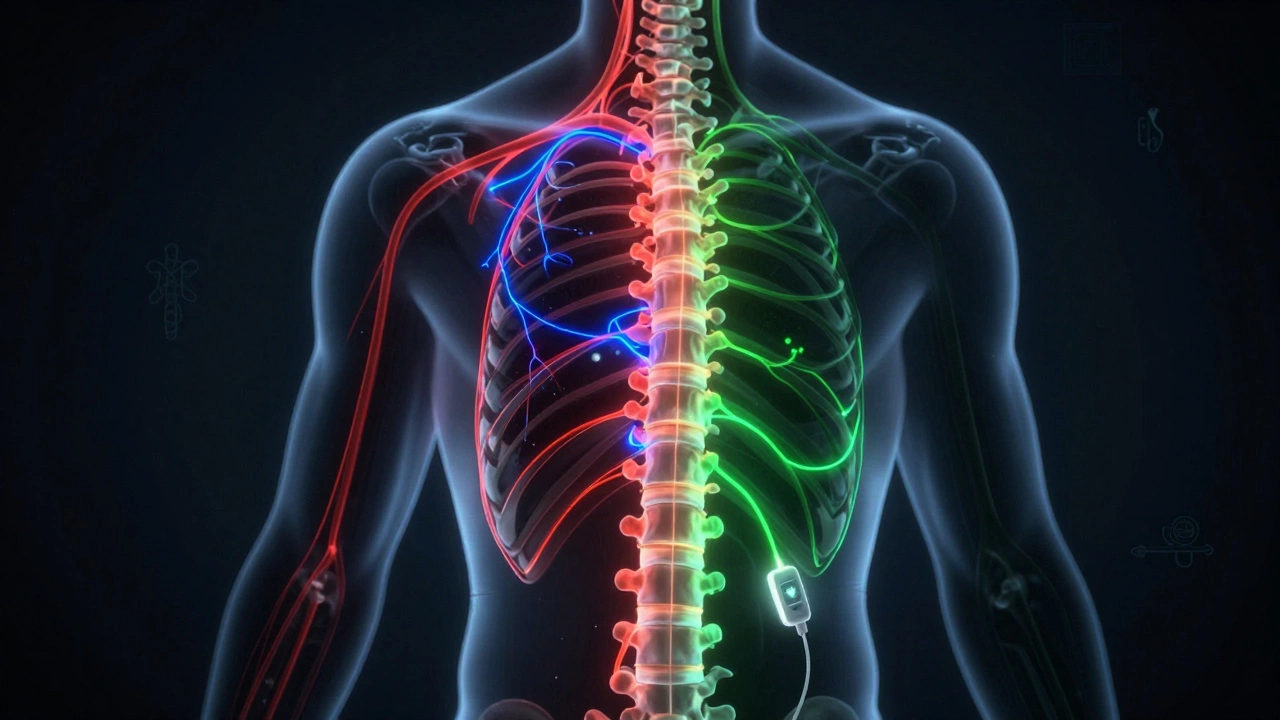
What If Medications Don’t Work?
One in three people with nerve pain don’t get full relief from pills alone. That’s when doctors turn to other options:
- Spinal cord stimulation - A small device implanted near the spine sends mild electrical pulses to block pain signals. Success rates are around 50-70% for carefully selected patients.
- Nerve blocks - Injections of numbing agents or steroids near affected nerves. Often used for sciatica or post-surgical pain.
- Physical therapy - Targeted exercises improve nerve mobility and reduce sensitivity. Many patients report less pain after 6-8 weeks of consistent therapy.
- Cognitive behavioral therapy (CBT) - Helps retrain how the brain processes pain signals. Studies show CBT reduces pain intensity and improves quality of life, even without changing the physical damage.
Combining treatments often works best. A patient might take duloxetine daily, use lidocaine patches on their foot, and attend weekly physiotherapy. That multi-pronged approach is more effective than any single drug.
How Long Does It Take to Work?
Don’t expect instant results. Most nerve pain medications take weeks to show full effect. Gabapentin and pregabalin usually need 2-4 weeks. Duloxetine may take up to 6 weeks. Patience is key. If you stop after a few days because you don’t feel better, you’re giving up before the drug has a chance.
Also, doses are often started low and increased slowly. Your doctor might begin with 100mg of gabapentin once a day, then increase weekly. This reduces side effects and helps your body adjust.
Side Effects You Should Know
All these drugs have trade-offs:
- Pregabalin and gabapentin: dizziness, drowsiness, weight gain, swelling in hands or feet
- Duloxetine: nausea, dry mouth, increased sweating, insomnia
- Amitriptyline: dry mouth, blurred vision, constipation, urinary retention
Some side effects fade after a few weeks. Others don’t. If you experience severe dizziness, confusion, or swelling, contact your doctor immediately. Never stop these drugs suddenly-they can cause withdrawal symptoms like anxiety, insomnia, or even seizures.

When to See a Specialist
If you’ve tried two or more nerve pain medications at proper doses for at least 6-8 weeks and still have no relief, it’s time to see a pain specialist or neurologist. They can check for underlying causes you might have missed-like vitamin B12 deficiency, thyroid issues, or compression of spinal nerves.
Imaging tests like MRI or nerve conduction studies may be needed. In some cases, surgery to relieve nerve pressure (like for a herniated disc) can resolve the pain entirely.
What About Supplements or Natural Remedies?
Alpha-lipoic acid, acetyl-L-carnitine, and vitamin B12 are sometimes used for diabetic neuropathy. Some small studies show modest benefit, especially if you’re deficient. But they’re not replacements for prescribed medication. Always talk to your doctor before taking supplements-they can interact with your current drugs.
Topical capsaicin cream (from chili peppers) can help by depleting substance P, a chemical involved in pain signaling. It causes a burning sensation at first, but that fades with use. Not for everyone, but worth considering if pills aren’t working.
Final Takeaway: No One-Size-Fits-All
There’s no single “strongest” drug for nerve pain. The best treatment is the one that gives you the most relief with the fewest side effects. It’s rarely a quick fix. It takes time, patience, and often a combination of therapies.
Start with proven options like pregabalin, gabapentin, or duloxetine. Work closely with your doctor to find your right dose. Don’t give up if the first drug doesn’t work-try another. And remember, non-drug treatments like physical therapy and CBT can be just as important as pills.
Nerve pain is complex, but it’s manageable. You don’t have to live with it unchanged. With the right approach, most people find a way to reduce their pain and get back to their life.
What is the most effective drug for nerve pain?
There’s no single most effective drug for everyone. Pregabalin and gabapentin are the most commonly prescribed and have the strongest evidence for nerve pain. Duloxetine is also highly effective, especially if you have depression or anxiety alongside the pain. The best choice depends on your medical history, side effect tolerance, and the cause of your nerve pain.
Are opioids good for nerve pain?
No. Opioids like oxycodone or morphine are not recommended for chronic nerve pain. Studies show they provide little to no long-term benefit and carry serious risks like addiction, tolerance, and respiratory issues. Guidelines in the UK and US advise against using opioids for this type of pain unless it’s due to cancer or severe trauma.
How long does it take for nerve pain medication to work?
Most nerve pain medications take 2 to 6 weeks to show full effects. Gabapentin and pregabalin usually start working after 2 weeks, but you may need to increase the dose gradually. Duloxetine can take up to 6 weeks. Don’t stop taking them too soon-give them time to work before deciding they don’t help.
Can nerve pain go away on its own?
Sometimes, yes-especially if it’s caused by a temporary issue like a pinched nerve or recent injury. But chronic nerve pain from diabetes, shingles, or long-term nerve damage rarely goes away without treatment. Left untreated, it can worsen over time and become harder to control.
What should I do if my nerve pain medication isn’t working?
Don’t increase the dose on your own. Talk to your doctor. They may switch you to a different medication, combine treatments, or refer you to a pain specialist. Non-drug options like physical therapy, nerve blocks, or spinal cord stimulation may be added. Sometimes, the root cause-like a herniated disc or vitamin deficiency-needs to be addressed directly.