Knee Recovery Walking Planner
Focus: Lubrication & Activation
- ✓ Start with heel slides before standing up.
- ✓ Use a walker or cane to maintain upright posture.
- ✓ Stop if you feel sharp, stabbing pain.
That morning ache in your knee. You wake up, swing your legs out of bed, and immediately feel that familiar resistance. It’s not just pain; it’s a mechanical lock. Your knee feels like rusted hinges. If you are recovering from knee replacement, or simply dealing with severe arthritis, this stiffness is your biggest enemy. It limits your range of motion, makes climbing stairs a nightmare, and can make you dread even taking a step.
You might be asking yourself: Is walking actually good for this? Or will it grind the joint further? The short answer is yes, but only if you do it right. Walking is one of the most effective tools we have to fight stiffness, yet many people avoid it because they fear causing damage. This hesitation often leads to more stiffness, creating a vicious cycle. Let’s break down why movement matters, how to walk safely, and what specific techniques can turn that locked-up joint into something functional again.
Why Stiffness Happens After Surgery or Injury
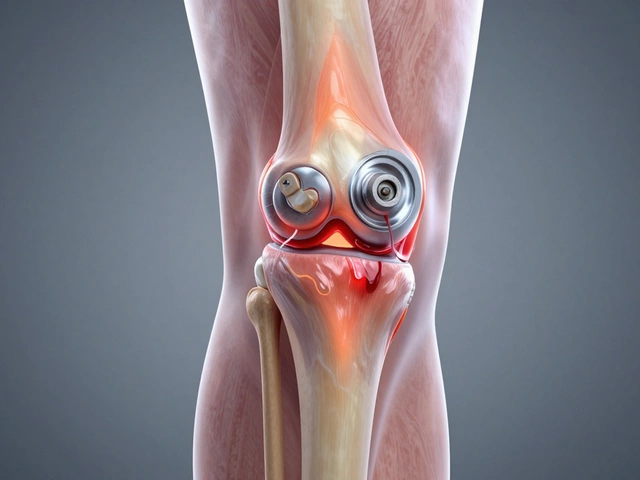
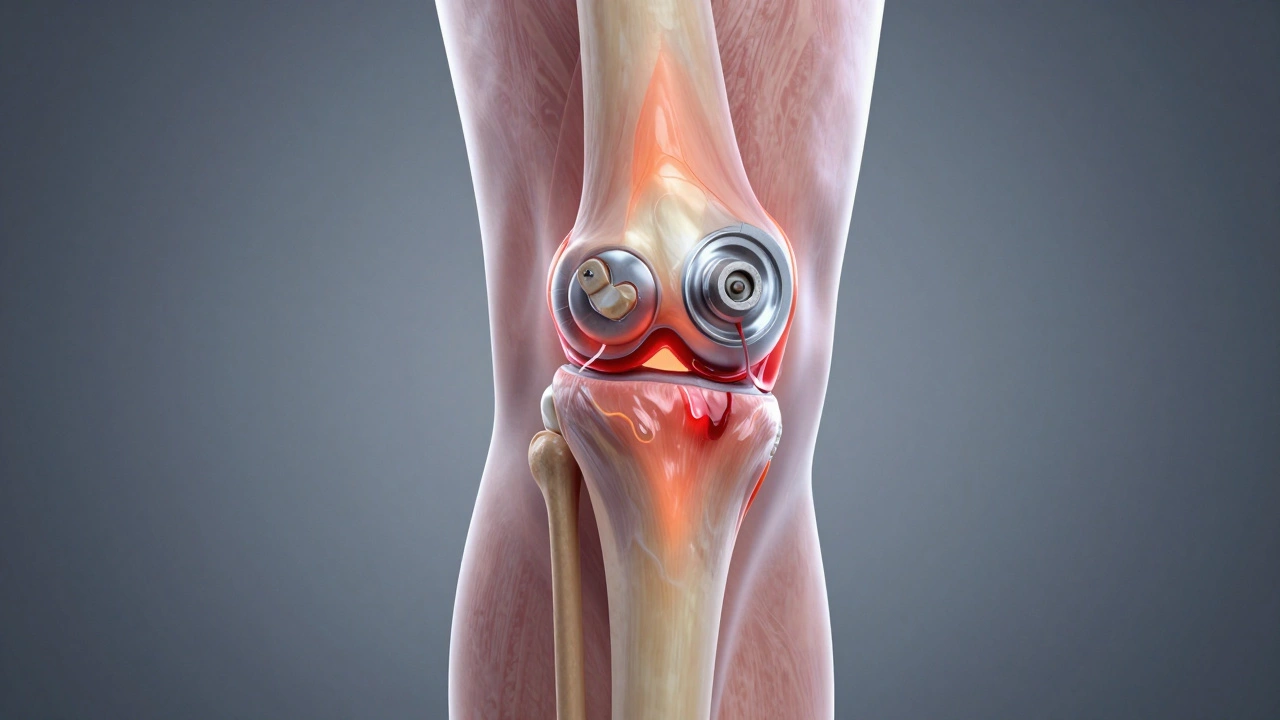
To fix the problem, you first need to understand what is causing the lock. When you undergo total knee arthroplasty(TKA), or suffer a significant injury, the body reacts by protecting the area. This protection comes in the form of inflammation and scar tissue formation. Medically, we call this fibrosis. Think of it like nature’s glue trying to hold things still so they can heal. But when that glue hardens inside the joint capsule, it physically blocks movement.
There is also the issue of muscle inhibition. After surgery, the quadriceps muscles on the front of your thigh often "shut down" temporarily. They forget how to fire properly. Without strong quads pulling the kneecap (patella) smoothly along its track, the knee feels unstable and stiff. This isn't just about the bone or the implant; it's about the soft tissue ecosystem surrounding the joint. If you sit too long, that fluid stagnates, and the tissues cool down and tighten. Movement is the lubricant.
| Cause | Mechanism | Impact on Walking |
|---|---|---|
| Fibrosis (Scar Tissue) | Excessive collagen buildup inside the joint capsule | Physically blocks full extension and flexion |
| Quadriceps Inhibition | Muscles fail to contract due to pain signals | Causes buckling sensation and reduced stride length |
| Synovial Fluid Reduction | Lack of movement reduces natural lubrication | Increases friction and grinding sensation |
| Pain Guarding | Subconscious avoidance of painful angles | Leads to limping and uneven weight distribution |
The Mechanics of Walking as Therapy
Walking is not just exercise; it is a biological signal. Every time you take a step, you compress and decompress the joint. This pumping action forces synovial fluid through the cartilage and around the implant surfaces. Synovial fluid is thick and sticky, acting like oil in an engine. Without movement, it doesn't circulate. By walking, you are manually lubricating the hinge.
Furthermore, walking stimulates blood flow. Blood carries oxygen and nutrients needed for healing, but it also helps clear out inflammatory markers that contribute to swelling. Swelling is a major contributor to stiffness. When the knee is puffy, the skin and tissues stretch tight, making it mechanically harder to bend. Regular, low-impact walking helps manage this swelling better than sitting still ever could.
But here is the catch: the quality of your walk matters more than the quantity. A limp is not therapy. A limp teaches your brain that the knee is broken. To get the benefits, you need a near-normal gait pattern. This means focusing on heel-to-toe rolling and keeping your hips aligned. If you are limping, you aren't stretching the back of the knee; you are just straining your hip and lower back. That’s why proper technique is non-negotiable.
How to Walk Safely with Stiff Knees
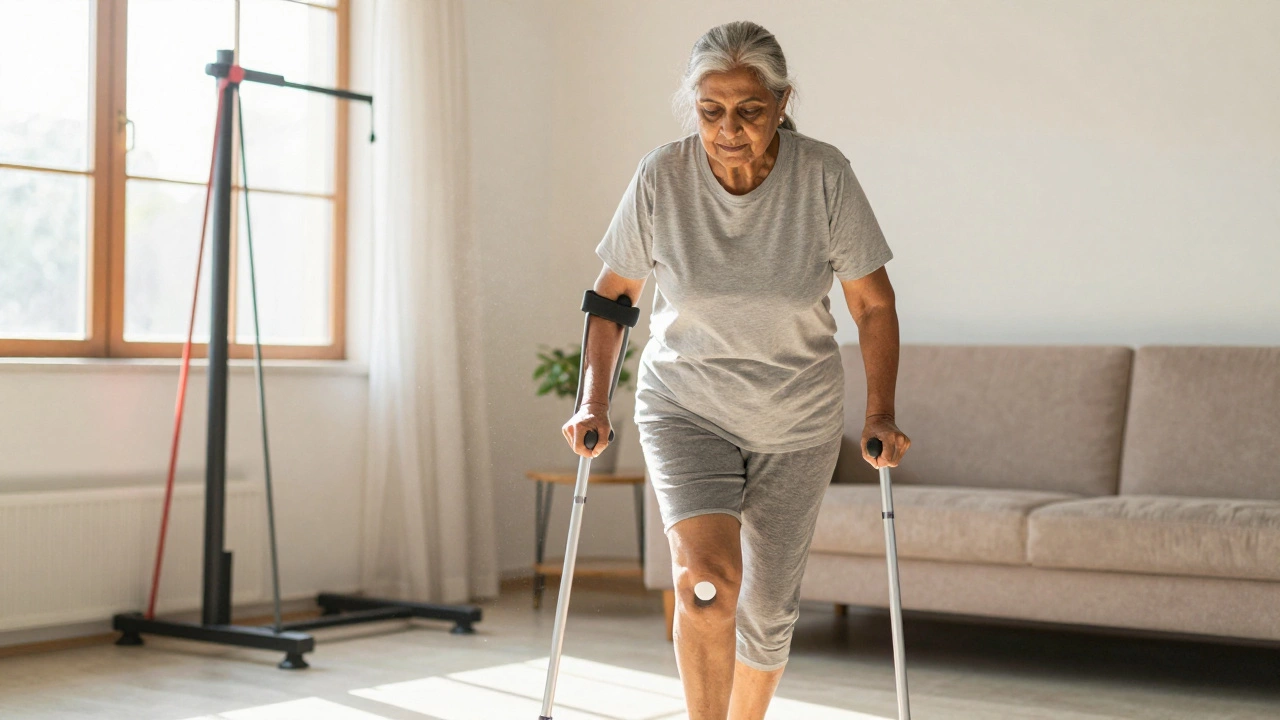
If you are in the early stages of recovery, say within the first three months after surgery, you cannot just go for a mile-long jog. You need a structured approach. Here is a practical framework to start moving without aggravating the joint.
- Start with Heel Slides: Before you stand up, lie on your back and slide your heel toward your buttocks. This warms up the posterior chain and prepares the joint for flexion. Do this ten times before attempting to walk.
- Use Support Initially: Don’t pride yourself on ditching the walker or crutches too soon. Using a cane or walker ensures you maintain an upright posture. Leaning forward shifts weight onto the knee cap, increasing pressure. Keep your torso tall.
- Short Bursts, Not Long Hauls: Aim for five-minute walks every two hours rather than one thirty-minute walk once a day. Frequent, short movements keep the joint lubricated without exhausting the muscles.
- Focus on Extension: Many people focus on bending the knee, but straightening it fully is equally important. When you walk, ensure your leg locks out completely at the end of each step. This prevents flexion contractures, where the knee gets stuck in a bent position.
If you feel sharp pain during any of these steps, stop. Dull ache or muscle fatigue is normal. Sharp, stabbing pain is a warning sign that you are pushing too hard or using poor mechanics. Listen to that signal.
Supplemental Exercises to Boost Mobility
Walking alone might not be enough if your range of motion is severely limited. You need to combine walking with specific stretches that target the tight structures. Here are three essential moves to pair with your daily walks.
- Seated Knee Extensions: Sit in a chair with your feet flat. Slowly lift one heel until your leg is straight. Hold for five seconds. This strengthens the quadriceps, which stabilizes the knee during walking.
- Heel Props: Lie on your back with your calf resting on a rolled-up towel or pillow. Let gravity gently pull your knee into extension. This is crucial for achieving full straightness, which is required for a normal walking gait.
- Ankle Pumps: While sitting or lying down, pump your ankles up and down vigorously. This activates the calf muscles, which act as a second heart, pumping blood back up from the legs and reducing swelling that causes stiffness.
Incorporate these exercises before and after your walks. Think of them as the warm-up and cool-down for your joint maintenance routine. Consistency is key. Doing them once a week does nothing. Doing them three times a day creates cumulative change.
When to Worry: Red Flags
Not all stiffness is created equal. Some stiffness is expected; some is a sign of complications. You need to know the difference. If your knee becomes hot to the touch, significantly redder than the other side, or if you develop a fever, stop walking and contact your surgeon immediately. These could be signs of infection, which requires urgent medical attention.
Another red flag is sudden loss of range of motion. If you were able to bend your knee to 90 degrees yesterday and today you can only reach 60 degrees, something has changed. This could indicate a blood clot (deep vein thrombosis) or excessive internal bleeding. In these cases, rest and elevation are temporary measures, but professional evaluation is mandatory.
Also, watch out for "giving way." If your knee buckles unexpectedly while walking, your muscles are not engaging correctly. This increases the risk of falls. If this happens frequently, you may need physical therapy to retrain your neuromuscular system before resuming independent walking.
Long-Term Maintenance and Lifestyle Adjustments
Once you pass the initial recovery phase, the goal shifts from regaining motion to maintaining it. Life has a way of pulling us back into sedentary habits. We sit at desks, drive cars, and watch TV. These activities promote stiffness. To counteract this, build micro-movements into your day.
Set a timer on your phone. Every hour, stand up and walk for two minutes. Go to the kitchen, walk around the block, or just pace in your living room. These small bursts prevent the synovial fluid from stagnating. Over years, this habit preserves the longevity of your knee replacement. Studies show that patients who maintain regular low-impact activity have implants that last longer because the surrounding muscles remain strong and supportive.
Avoid high-impact activities like running or jumping, which place excessive stress on the implant-bone interface. Instead, opt for swimming, cycling, or elliptical training. These activities provide cardiovascular benefits and joint lubrication without the pounding force of impact. Walking remains the gold standard because it mimics natural human movement, but variety helps prevent overuse injuries in other parts of the body.
Nutrition and Hydration for Joint Health
Your diet plays a surprising role in knee stiffness. Dehydration affects the viscosity of synovial fluid. If you are not drinking enough water, your joints become drier and stiffer. Aim for at least eight glasses of water a day. More if you are active or live in a warm climate.
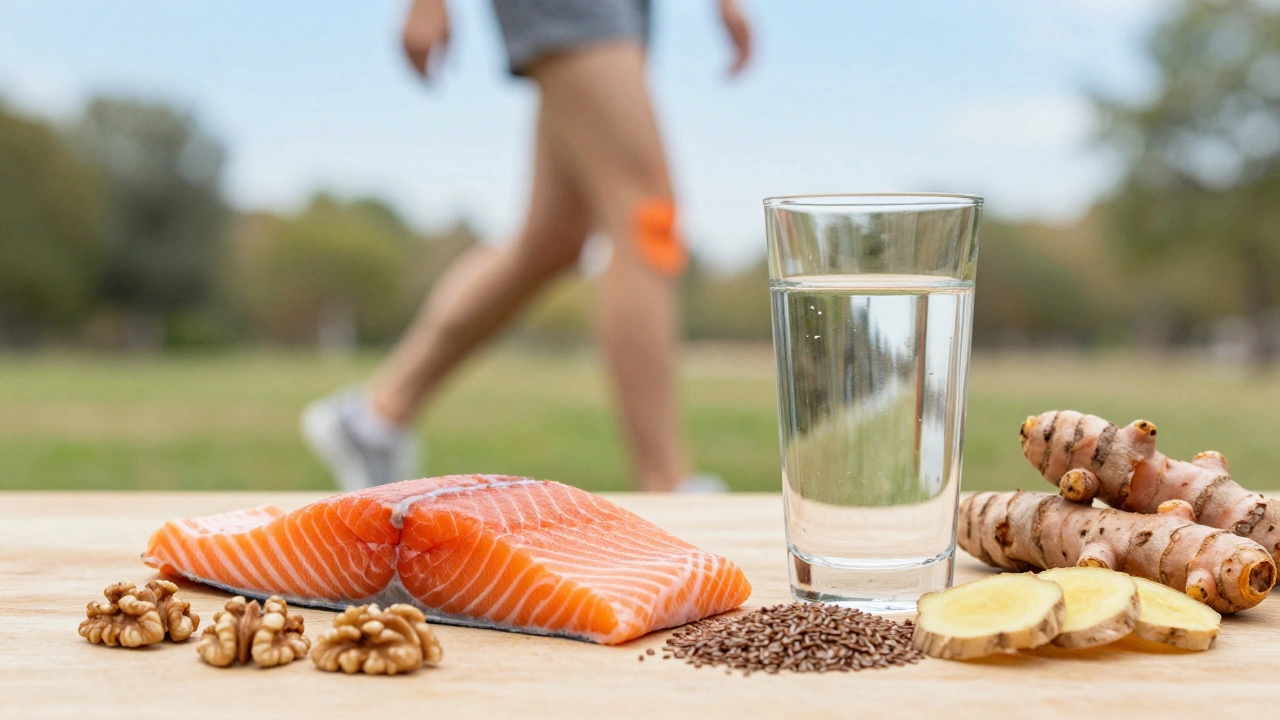
Anti-inflammatory foods can also help manage the underlying swelling that contributes to stiffness. Incorporate omega-3 fatty acids found in salmon, walnuts, and flaxseeds. Turmeric and ginger have natural anti-inflammatory properties that may reduce morning stiffness. Conversely, limit processed sugars and refined carbs, which can spike inflammation levels in the body. What you eat directly impacts how your joints feel.
How much should I walk after knee replacement?
In the first few weeks, aim for short, frequent walks. Start with 5-10 minutes, 3-4 times a day. Gradually increase the duration by 5 minutes each week as tolerated. Most patients work up to 30-60 minutes of total walking per day within three months. Listen to your body; pain should not exceed a mild ache.
Does walking wear out my knee replacement faster?
No, moderate walking does not wear out implants prematurely. Modern knee replacements are designed to withstand millions of cycles of movement. In fact, lack of movement leads to muscle weakness, which puts *more* stress on the implant. Walking strengthens the supporting muscles, protecting the implant.
What is the best time of day to walk with stiff knees?
Morning stiffness is common due to fluid accumulation overnight. A gentle warm-up, like a warm shower or heating pad, followed by light walking can help loosen the joint. However, many find afternoon walks easier as the body has been moving throughout the day. Consistency matters more than timing.
Can I walk on uneven surfaces with a new knee?
Initially, stick to flat, even surfaces like sidewalks or treadmill tracks. Uneven terrain like trails or gravel increases the risk of twisting or falling, which can damage the soft tissues or dislocate the implant. Once your balance and strength are fully restored (usually after 3-6 months), you can gradually introduce varied terrains.
How do I know if my stiffness is normal?
Normal stiffness fluctuates. It may be worse after prolonged sitting or intense activity. It should improve with movement and gentle stretching. Abnormal stiffness is constant, worsening despite rest, or accompanied by significant swelling, redness, or fever. If stiffness persists beyond 6 months without improvement, consult your orthopedic specialist.