
Schizophrenia Early Warning Signs Quiz
This tool helps you identify whether certain behaviors align more with typical stress or potential early signs of schizophrenia. It is not a diagnostic tool but an educational aid.
Interpretation
Note: This quiz is for educational purposes only. If you recognize these signs in yourself or someone else, consult a mental health professional for proper evaluation.
Imagine your friend stops returning texts. They start wearing three coats in July because they believe the air conditioning is sending them signals. Or maybe a colleague suddenly quits their job, convinced that the office printer is spying on them. These aren’t just quirks or bad days. For many families, these are the first red flags of schizophrenia, a chronic and severe mental disorder that affects how a person thinks, feels, and behaves. The tricky part? It rarely hits like a lightning bolt. Instead, it creeps in through subtle changes in behavior and thinking, often during late adolescence or early adulthood.
If you’re worried about yourself or someone close to you, knowing what to look for can make a massive difference. Catching these shifts early doesn’t mean you’ll prevent the condition entirely, but it can significantly improve long-term outcomes. So, what exactly should you be watching for? Let’s break down the three most critical warning signs that often precede a full diagnosis.
The Social Withdrawal That Feels Like Depression (But Isn’t)
The first major clue is often a dramatic pullback from social life. We all have phases where we want to stay home and binge-watch shows. But with schizophrenia, this withdrawal is different. It’s not just shyness; it’s a disconnect. A person might stop caring about hygiene, skip classes or work without reason, and lose interest in hobbies they once loved. This phase is clinically known as the prodromal phase.
Why does this happen? As the brain begins to process information differently, social interactions become exhausting and confusing. Imagine trying to hold a conversation when every word feels loaded with hidden meaning. It’s easier to just shut down. Parents often mistake this for teenage rebellion or depression. And while there is overlap, the key distinction is the lack of emotional connection. Someone with depression might still crave company but feel too low to engage. Someone in the early stages of schizophrenia often feels indifferent or suspicious of others’ intentions.
- Sudden drop in performance: Grades or work output fall sharply.
- Neglect of self-care: Showering becomes optional, clothes go unwashed.
- Flat affect: Facial expressions and tone of voice become monotone.
Disorganized Thinking and Speech Patterns
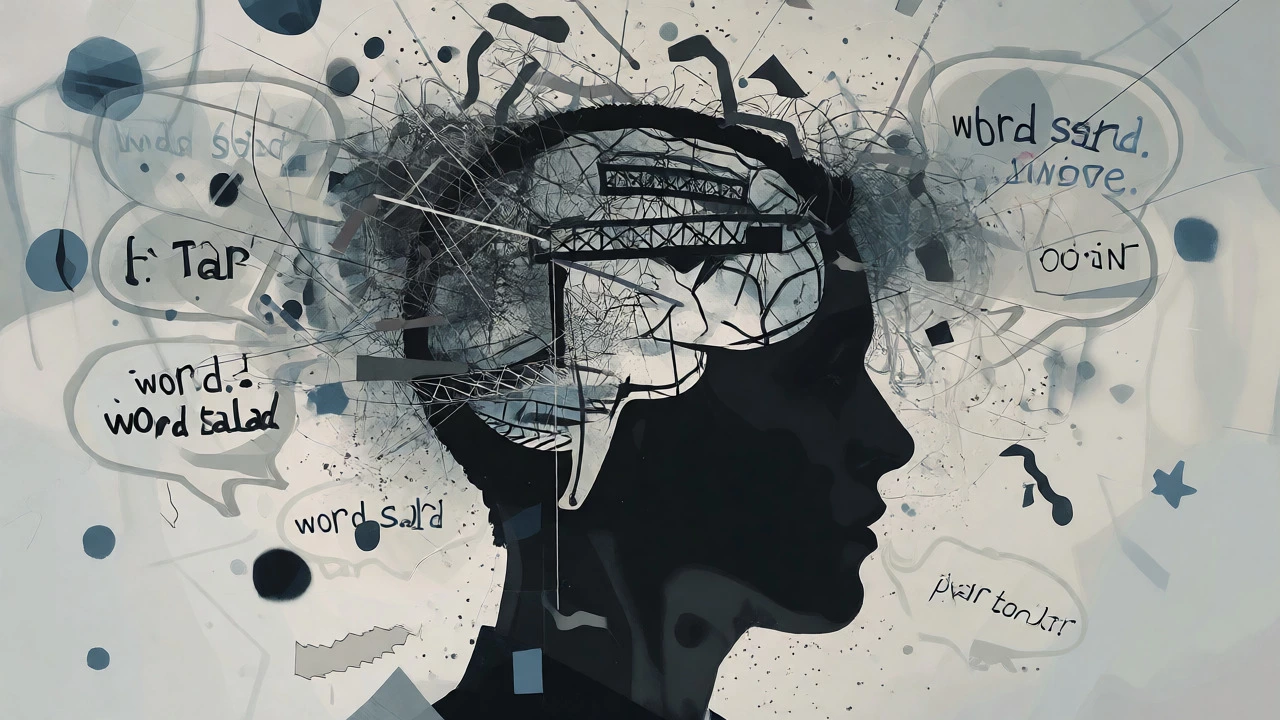
The second warning sign is harder to spot if you aren’t paying close attention to language. It involves disorganized thinking, which manifests as disorganized speech. You might notice sentences that start logically but end up somewhere completely unrelated. This is sometimes called "word salad" in severe cases, but in the early stages, it’s more subtle.
For example, ask someone how their day was, and they might reply, "The blue sky tastes like metal, so I locked the door." To them, this makes perfect sense. Their internal logic is intact, but the bridge between thoughts has collapsed. This is a hallmark symptom of psychosis. If you find yourself constantly asking, "Wait, what did you mean by that?" and getting no clarification, take note. It’s not just poor communication skills; it’s a glitch in how ideas are connected.
This symptom also affects writing. Journal entries or emails might become fragmented, with words spilling out in random orders. In clinical settings, doctors look for loose associations, where one idea loosely connects to the next without logical progression. Recognizing this early helps distinguish schizophrenia from other conditions like bipolar disorder, where speech might be rapid but usually remains coherent.
The Onset of Hallucinations and Delusions
The third, and perhaps most recognizable sign, is the emergence of positive symptoms: hallucinations and delusions. While everyone experiences occasional illusions-like hearing your name called when no one spoke-hallucinations in schizophrenia are persistent and intrusive. Auditory hallucinations are the most common. People hear voices commenting on their actions, arguing with each other, or giving commands. These voices are often perceived as coming from outside the head, making them incredibly distressing.
Delusions are fixed false beliefs that don’t change despite evidence to the contrary. Common types include:
- Persecutory delusions: Believing the government, aliens, or neighbors are plotting against you.
- Referential delusions: Thinking random events, like a TV news anchor’s tie color, are personal messages meant specifically for you.
- Grandiose delusions: Believing you have special powers or are a historical figure reincarnated.
What makes these signs urgent is the impact on daily functioning. If someone refuses to eat because they think the food is poisoned, or stays awake for days because they believe sleeping will let enemies capture them, the situation is escalating. Unlike anxiety, which worries about future possibilities, delusions are held with absolute certainty.
Distinguishing Normal Stress from Psychotic Symptoms
It’s easy to panic when you see odd behavior, especially in teenagers. High school stress, college pressure, and substance use can mimic some symptoms. How do you tell the difference? Look at the trajectory. Stress-related issues usually fluctuate; good days balance out bad ones. Schizophrenic symptoms tend to worsen over time without treatment.
| Feature | Typical Stress/Anxiety | Early Schizophrenia |
|---|---|---|
| Social Interaction | Avoids crowds but maintains close ties | Withdraws from everyone, including family |
| Thought Process | Racing thoughts, but logical flow | Jumping topics, loose associations |
| Reality Testing | Fears are acknowledged as irrational | Beliefs are unshakeable facts |
| Hygiene/Routine | Might slip occasionally | Consistent decline in self-care |
Another factor is age. The peak onset for men is late teens to mid-20s, and for women, it’s late 20s to early 30s. If these signs appear after age 45, doctors typically investigate other causes, such as neurological issues or medication side effects.

Why Early Intervention Changes Everything
You might wonder, "If I catch it early, can I fix it?" Not exactly. Schizophrenia is a lifelong condition for most people. However, early intervention drastically reduces the severity of episodes. Studies show that individuals who receive treatment within the first two years of symptom onset have better cognitive function and higher rates of employment compared to those who wait five or ten years.
Treatment isn’t just about pills. It involves a mix of antipsychotic medications, cognitive behavioral therapy, and family education. Therapy helps patients develop coping strategies for hallucinations and improves social skills. Without support, the isolation deepens, making recovery harder. Think of it like fixing a leak in a roof. If you patch it when the water stain is small, the damage is minimal. Wait until the ceiling collapses, and the repair costs skyrocket.
Family members play a crucial role here. Expressing empathy rather than judgment helps build trust. Saying, "I notice you seem stressed," works better than, "You’re acting crazy." Understanding that the hallucinations feel real to the patient prevents arguments that only increase agitation.
Key Takeaways
- Watch for withdrawal: Sudden, sustained isolation from friends and family is a primary early indicator.
- Listen to speech patterns: Disorganized thinking often reveals itself through confused or illogical conversations.
- Note reality distortions: Persistent hallucinations or unshakeable false beliefs signal the transition to active psychosis.
- Act quickly: Early diagnosis leads to better management of symptoms and improved quality of life.
Can stress trigger schizophrenia?
Stress doesn't cause schizophrenia directly, but it can trigger the onset in people who are genetically predisposed. Major life changes, trauma, or substance abuse can act as catalysts for the first episode.
Is schizophrenia the same as multiple personality disorder?
No. Schizophrenia means "split mind," referring to a split from reality, not multiple personalities. Dissociative Identity Disorder (formerly multiple personality disorder) is a separate condition involving distinct identity states.
How long do warning signs last before diagnosis?
The prodromal phase can last months or even years. Many people experience subtle changes for up to two years before meeting the full criteria for a schizophrenia diagnosis.
Do children get schizophrenia?
Yes, though it is rare. Childhood-onset schizophrenia occurs before age 13. It is often harder to diagnose because symptoms like withdrawal can be mistaken for developmental delays or autism spectrum disorders.
Can someone with schizophrenia live independently?
With proper treatment and support, many people manage their symptoms well enough to live independently, work, and maintain relationships. Success depends on adherence to medication and access to community resources.