Medical Tourism Cost & Risk Calculator
Compare the potential savings against hidden costs and risks associated with cross-border healthcare.
Imagine booking a flight to Thailand not for the beaches, but for a knee replacement that costs a fraction of what it would in your home country. It sounds like a win-win: you save money, get the surgery, and enjoy a vacation. This is the promise of medical tourism. Yet, beneath the glossy brochures and testimonials lie deep-seated controversies that keep doctors, ethicists, and policymakers up at night.
The debate isn't just about price tags. It’s about who gets access to quality care, what happens when things go wrong across borders, and whether treating healthcare as a commodity undermines the very systems meant to protect us. As we look at the landscape in 2026, the lines between opportunity and exploitation are blurrier than ever.
The Ethical Dilemma: Who Gets Care First?
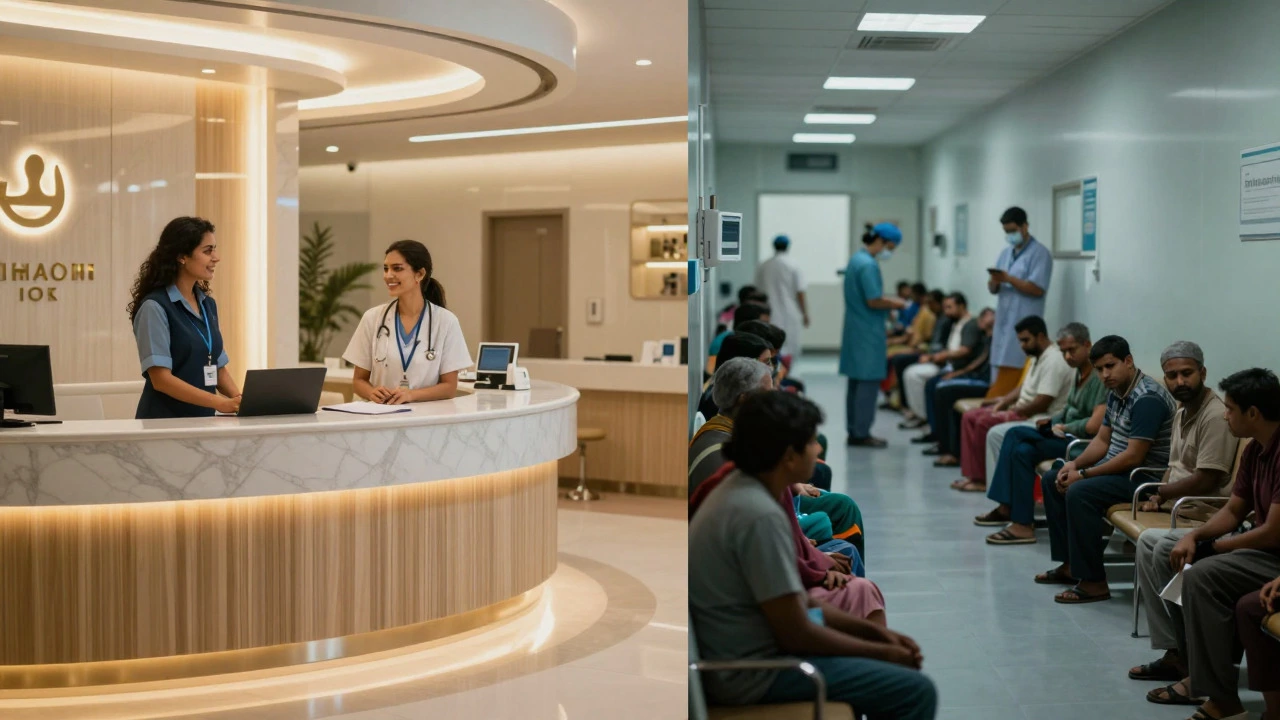
At the heart of the controversy is a simple, uncomfortable question: Should healthcare be driven by market forces or human need? In many developing nations, the rise of private hospitals catering to foreign patients has created a two-tier system. These facilities often offer world-class amenities and cutting-edge technology, funded by wealthy foreigners paying out-of-pocket.
However, this influx of capital can drain resources from the local population. Skilled surgeons and nurses may prefer working in these high-paying private clinics rather than underfunded public hospitals. For example, in countries like India and Mexico, there have been documented cases where rural areas face severe staff shortages because medical professionals migrate to urban centers serving international tourists. This creates a scenario where a tourist from London might wait days for an elective procedure, while a local citizen waits months for life-saving treatment due to resource diversion.
This dynamic challenges the principle of equity in healthcare. If the best doctors are busy performing cosmetic surgeries for visitors, who is left to treat the community's most vulnerable members? The tension between economic growth and social justice remains one of the most heated arguments against the industry.
Patient Safety and Regulatory Gaps
When you undergo surgery in your home country, you rely on a web of regulations designed to protect you. Hospitals must meet strict accreditation standards, doctors hold recognized licenses, and malpractice laws provide recourse if something goes wrong. Cross-border care shatters this safety net.
In many popular medical tourism destinations, regulatory oversight varies wildly. A hospital might be accredited by an international body like Joint Commission International (JCI), but does that guarantee consistent quality in every department? Often, no. There is also the issue of "diploma mills"-facilities that hire doctors with questionable credentials or those who have lost their licenses in their home countries.
Consider the risk of infection. Surgical site infections (SSIs) are a major concern in medical tourism. Studies have shown higher rates of antibiotic-resistant bacteria in some tropical regions compared to Western countries. If you develop a resistant infection after returning home, your local doctor may struggle to treat it effectively because they aren't familiar with the specific strains prevalent abroad. This lack of continuity in care puts patients in a dangerous limbo.
The Hidden Costs of "Cheap" Surgery
Price is the primary driver for medical tourists, but the sticker price rarely tells the whole story. A hip replacement in Turkey might cost $10,000, compared to $50,000 in the US. But what about the complications?
If a surgical error occurs, who pays for the corrective surgery? Most travel insurance policies exclude pre-existing conditions and elective procedures performed abroad. Patients often find themselves responsible for all follow-up care, which can include additional surgeries, physical therapy, and long-term medication. In worst-case scenarios, patients have returned home with severe disabilities, only to face bills that exceed the initial savings.
Furthermore, there is the cost of time. Recovery from major surgery requires rest and monitoring. Trying to recover in a hotel room while navigating language barriers and unfamiliar customs adds significant stress, which can hinder healing. The financial calculation becomes complex when you factor in potential lost wages due to extended recovery times or the need for a companion to travel with you.

Continuity of Care: The Post-Op Void
Medicine is not a one-time event; it is a continuous process. Effective treatment requires follow-up appointments, lab tests, and adjustments to medication based on how your body responds. Medical tourism disrupts this chain critically.
When you fly home after surgery, you leave behind the surgeon who knows your case intimately. Your local general practitioner (GP) now has to step in, often with limited information. They may receive a translated summary of the procedure, but crucial details about surgical techniques or specific implants used might be missing. This information gap can lead to mismanagement of post-operative care.
For instance, if a patient undergoes cardiac surgery abroad, their cardiologist back home needs detailed echocardiogram results and operative notes to monitor heart function. Delays in receiving these documents, or differences in reporting standards, can delay necessary interventions. This fragmentation of care is particularly dangerous for chronic conditions like diabetes or cancer, where regular monitoring is essential.
Exploitation and Vulnerable Populations
Beyond individual patient risks, there is a broader societal impact. Critics argue that medical tourism exploits both patients and host communities. On one side, desperate patients seeking affordable care are sometimes marketed to with aggressive advertising that downplays risks. Brokers and agencies earn commissions by steering patients toward specific hospitals, creating a conflict of interest where profit takes precedence over patient welfare.
On the other side, host countries may experience "brain drain." As mentioned earlier, the attraction of high salaries in the private sector pulls talent away from public health systems. This exacerbates existing inequalities within the host nation. Additionally, there are concerns about organ trafficking and reproductive tourism, where ethical boundaries are pushed further. For example, surrogacy laws vary globally, leading some couples to seek services in countries with lax regulations, potentially exploiting local women who serve as surrogate mothers.

Navigating the Risks: A Practical Guide
If you are considering medical tourism despite these controversies, informed decision-making is your best defense. Here is a checklist to help you evaluate your options:
- Verify Accreditation: Ensure the hospital is accredited by a recognized international body like JCI or ACE. Don't just trust the hospital's website; check the accrediting body's database directly.
- Research the Surgeon: Look up the surgeon’s credentials in their home country. Are they licensed? Do they have a history of malpractice suits? Ask for references from previous international patients.
- Plan for Follow-Up: Before leaving, establish a relationship with a specialist in your home country who agrees to take over your post-operative care. Get written confirmation that they will accept your records.
- Check Insurance Coverage: Contact your health insurer and travel provider to understand exactly what is covered in case of complications. Consider purchasing specialized medical travel insurance.
- Allow Adequate Recovery Time: Plan to stay in the destination for at least two weeks post-surgery to handle any immediate complications before flying. Flying too soon after surgery increases the risk of blood clots (DVT).
The Future of Cross-Border Healthcare
As telemedicine advances, the future of medical tourism may shift. Virtual consultations allow patients to vet doctors and review records without traveling. However, for surgical procedures, the physical presence remains necessary. The industry is likely to see tighter regulations and greater transparency in response to growing scrutiny.
Governments are beginning to address these issues. Some countries are implementing stricter licensing requirements for foreign-trained doctors working in tourist-oriented clinics. Others are investing in domestic healthcare infrastructure to reduce the incentive for citizens to seek care abroad. The goal is to balance the economic benefits of medical tourism with the ethical imperative to ensure safe, equitable, and continuous care for all patients, regardless of where they choose to receive it.
Is medical tourism safe?
Safety varies significantly depending on the destination, hospital, and procedure. While many facilities meet international standards, risks such as surgical errors, infections, and lack of follow-up care are higher than in regulated domestic systems. Thorough research and verification of credentials are essential.
Does medical insurance cover medical tourism?
Most standard health insurance plans do not cover elective procedures performed abroad. Some may cover emergency complications, but this is rare. Travel insurance often excludes pre-existing conditions and planned surgeries. Always check with your provider specifically for cross-border care coverage.
What are the biggest risks of getting surgery abroad?
The biggest risks include poor surgical outcomes due to unverified credentials, higher rates of antibiotic-resistant infections, difficulty accessing legal recourse in case of malpractice, and fragmented post-operative care upon returning home.
How does medical tourism affect local healthcare systems?
It can create a two-tier system where resources and skilled staff are diverted to private facilities catering to foreigners, potentially reducing the quality and availability of care for local residents, especially in rural or underserved areas.
Can I sue a hospital abroad if something goes wrong?
It is extremely difficult and expensive. Legal systems vary widely, and enforcing judgments across borders is complex. Many contracts signed by patients include clauses that waive the right to sue or limit liability, making legal recourse nearly impossible for most individuals.