Learn the realistic timeline for walking normally after knee replacement. From assisted steps in 24 hours to full independence by 6-12 months, discover what to expect.
Read MoreKnee Replacement Recovery: Real Tips for a Smoother Comeback
You've just had knee replacement surgery and wonder what the next few weeks look like. The good news is most people start feeling better within a month if they follow a simple plan. Below you’ll find the key milestones, pain‑control tricks, and everyday habits that speed up healing.
First Two Weeks: Managing Pain and Getting Moving
Right after the operation, the surgeon will give you a mix of oral meds and maybe a short nerve block. Take the meds exactly as prescribed – skipping doses can bring the pain right back. Ice the knee for 20 minutes, three to four times a day; the cold reduces swelling faster than heat.
Start gentle ankle pumps and heel slides as soon as the nurse says it’s safe. These tiny movements keep blood flowing and prevent clots. Walking with a walker or crutches should begin on day one, even if it’s just a few steps down the hallway. Each extra step builds confidence and keeps the joint from stiffening.
Weeks 3‑6: Strengthening and Stretching
By week three you’ll likely be off the crutches. This is the perfect window to add simple strengthening exercises – straight‑leg raises, quad sets, and short wall sits. Do two sets of 10 repetitions, twice a day. If a move hurts more than a mild ache, back off and ask your physiotherapist.
Stretching the hamstrings and calf muscles also matters. A gentle seated hamstring stretch, holding for 15 seconds, helps keep the knee flexible. Keep the swelling down with another round of icing after each workout session.
Nutrition plays a quiet role. Protein‑rich foods like lentils, paneer, and eggs give your muscles the building blocks they need. A daily dose of vitamin C (citrus, guava) supports tissue repair, while staying hydrated helps the joint fluid move smoothly.
Watch for warning signs: sudden sharp pain, increased redness, or a fever above 100.5°F. Those could mean infection or a problem with the implant, and you should call the doctor right away.
By week six most people can climb a few stairs, sit without a pop, and drive short distances if they feel steady. The final milestone – returning to normal activities like light jogging or dancing – usually arrives around three months, but every body moves at its own pace.
Keep a simple log of pain levels, steps taken, and any swelling. Seeing progress on paper is motivating and gives your surgeon a clear picture if you need a follow‑up.
In short, a knee replacement recovery isn’t a mystery. Take pain meds on schedule, ice regularly, move early, strengthen gradually, eat protein‑rich meals, and call the doctor if anything feels off. Stick to this plan and you’ll be back to your favorite activities sooner than you think.

Knee Replacement Recovery Timeline: When Can You Walk Normally?
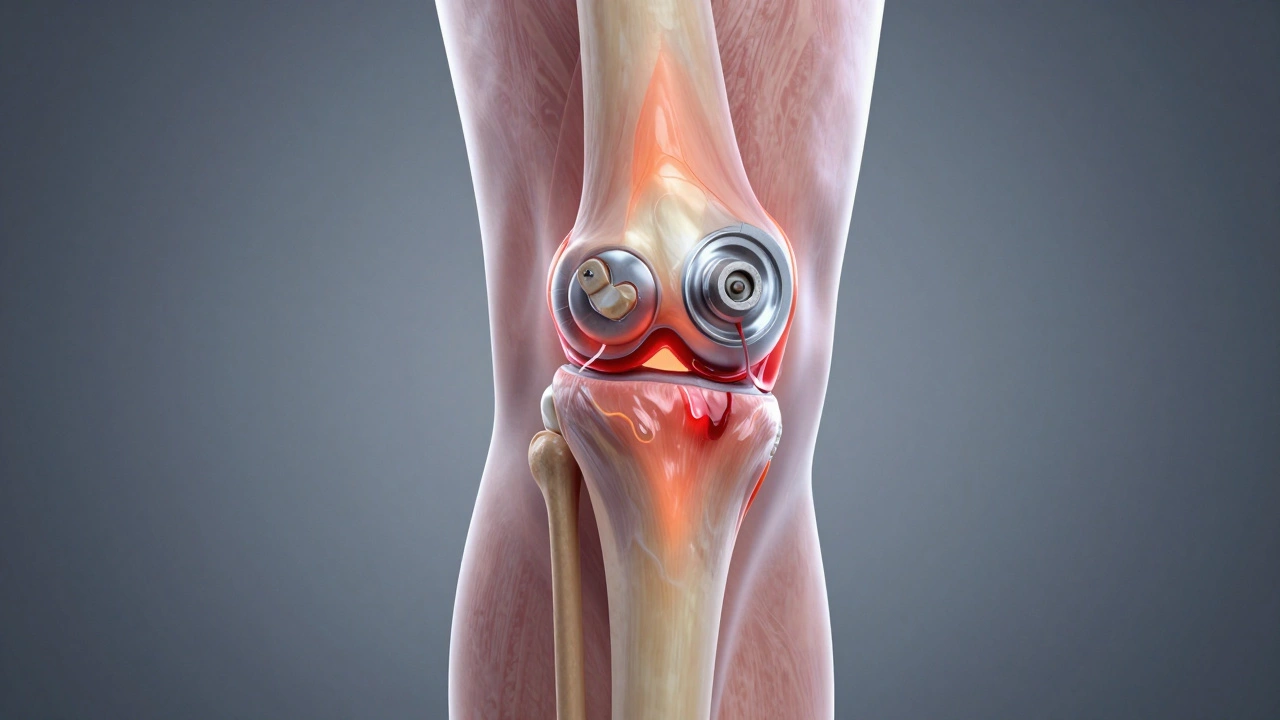
Is Walking Good for Stiff Knees? A Guide to Safe Movement After Knee Replacement
Discover if walking helps stiff knees after replacement. Learn safe techniques, exercises, and tips to restore mobility and reduce pain effectively.
Read More
Can You Reverse Knee Stiffness? Proven Strategies for Mobility
Discover if you can reverse knee stiffness with proven exercises, professional treatments, and lifestyle changes. Learn why timing matters and how to regain mobility.
Read More
What is the fastest way to recover from a knee replacement?
Discover the fastest way to recover from a knee replacement. Learn expert tips on early motion, pain management, and critical exercises to regain mobility quickly.
Read More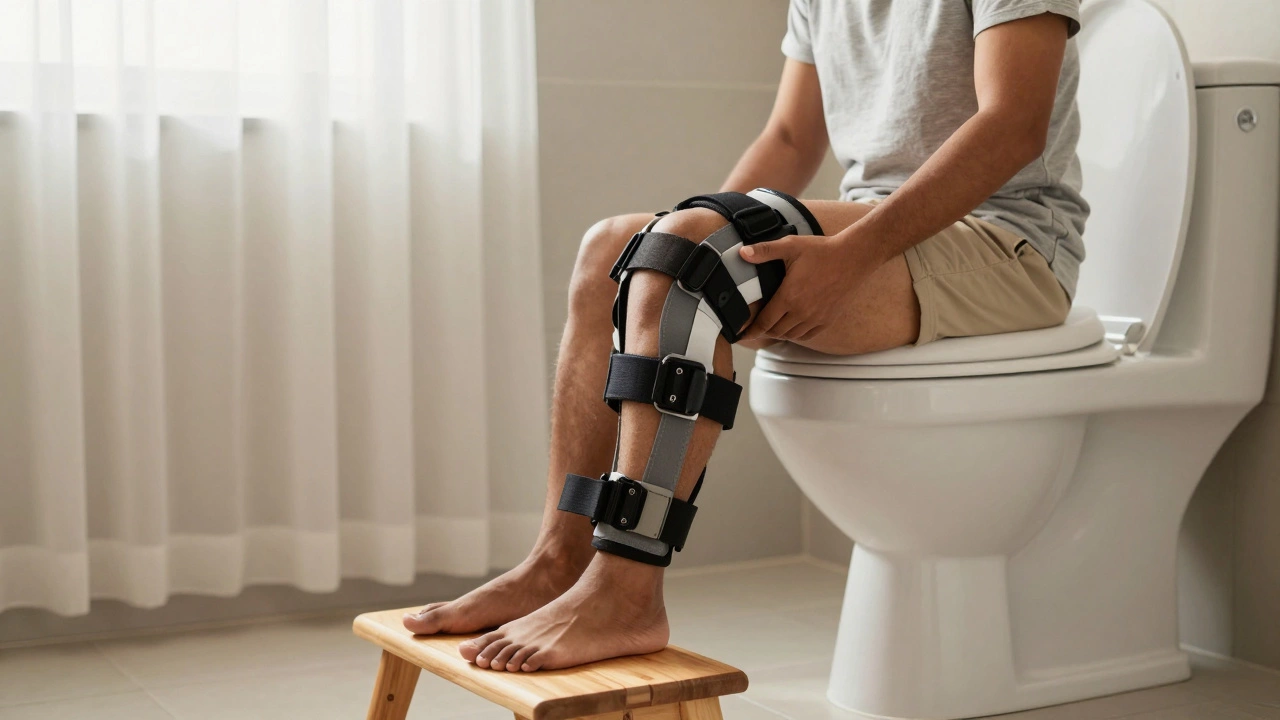
How to Poop After Knee Replacement Surgery: A Complete Guide
Struggling to use the bathroom after knee surgery? Learn safe positioning, dietary tips, and medication strategies to manage constipation and recover comfortably without straining your new joint.
Read More
Can I Drive 2 Weeks After Knee Surgery?
Wondering if you can hit the road just two weeks after knee surgery? The answer hinges on a few key factors like your type of surgery, your recovery progress, and your doctor's advice. While some might feel ready, it's crucial to consider both physical healing and legal restrictions. Ensuring a safe return to driving is essential for your well-being and road safety. Let's explore what's involved in getting back behind the wheel after knee surgery.
Read MoreArchive
Categories

Knee Replacement: Permanent Restrictions You Really Need to Know
After knee replacement, some activities are off-limits for good. This article breaks down what you can and cannot do with your new joint, from high-impact sports to everyday movements. You’ll learn why these restrictions matter and how to protect your knee for the long haul. We’ll also cover surprising facts, practical tips, and the best ways to stay active without risking your implant. If you want a straightforward answer about life after knee replacement, this is for you.

Unlock Weight Loss with the 40 30 30 Rule
The 40 30 30 rule for weight loss breaks down your calorie intake into an effective ratio to balance nutrition and promote fat loss. It involves consuming 40% of your calories from carbohydrates, 30% from proteins, and 30% from fats. This approach can help you maintain stable energy levels, support muscle growth, and avoid the pitfalls of extreme dieting. Discover how this simple and practical plan can be easily integrated into your lifestyle to achieve lasting results.

Best Bone Doctors: Choosing Your Specialist for Strong Bones
Not all bone doctors do the same job. Wondering who’s right for your aching joints or fractures? Here’s the real scoop on bone specialists.
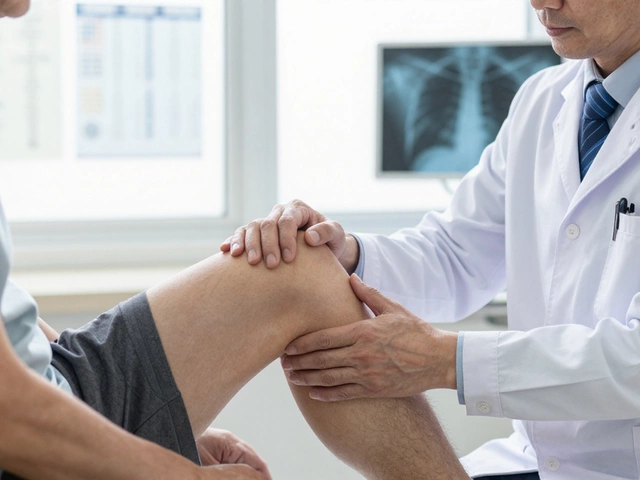
Can an Orthopedic Doctor Diagnose Arthritis? Here's What You Need to Know
Orthopedic doctors are trained to diagnose arthritis using physical exams, imaging, and medical history. They can identify both osteoarthritis and rheumatoid arthritis, and determine the best treatment plan-whether it's therapy, injections, or surgery.
Can Chemotherapy Cure Stage 4 Cancer? Facts and Real-World Outcomes
Can chemotherapy cure stage 4 cancer? Learn about remission, the role of immunotherapy, and which advanced cancers have the best response rates to treatment.