Bone Healing Difficulty Estimator
Select a fracture location and input relevant patient factors to estimate the healing difficulty and potential complications.
4–6 Weeks
Typical Healing Timeframe
Primary Risks & Complications:
You break your arm. It’s annoying, painful, but you know it’ll be fine in six weeks. You cast it, wait, and move on. But then there are fractures that don’t play by those rules. They take months, sometimes years. They require multiple surgeries. And occasionally, they just refuse to knit back together no matter what the surgeon does.
So, what is the hardest bone to heal? The short answer is usually the scaphoid bone in your wrist, closely followed by the femoral neck (the top of your thigh bone) and the tibial shaft. Why these specific bones? It comes down to blood supply and mechanical stress. Bones need blood to repair themselves. If a fracture cuts off the blood flow to a piece of bone, that piece dies. Dead bone doesn’t heal; it has to be replaced or fused with living tissue.
The Scaphoid: The Wrist’s Most Fragile Link
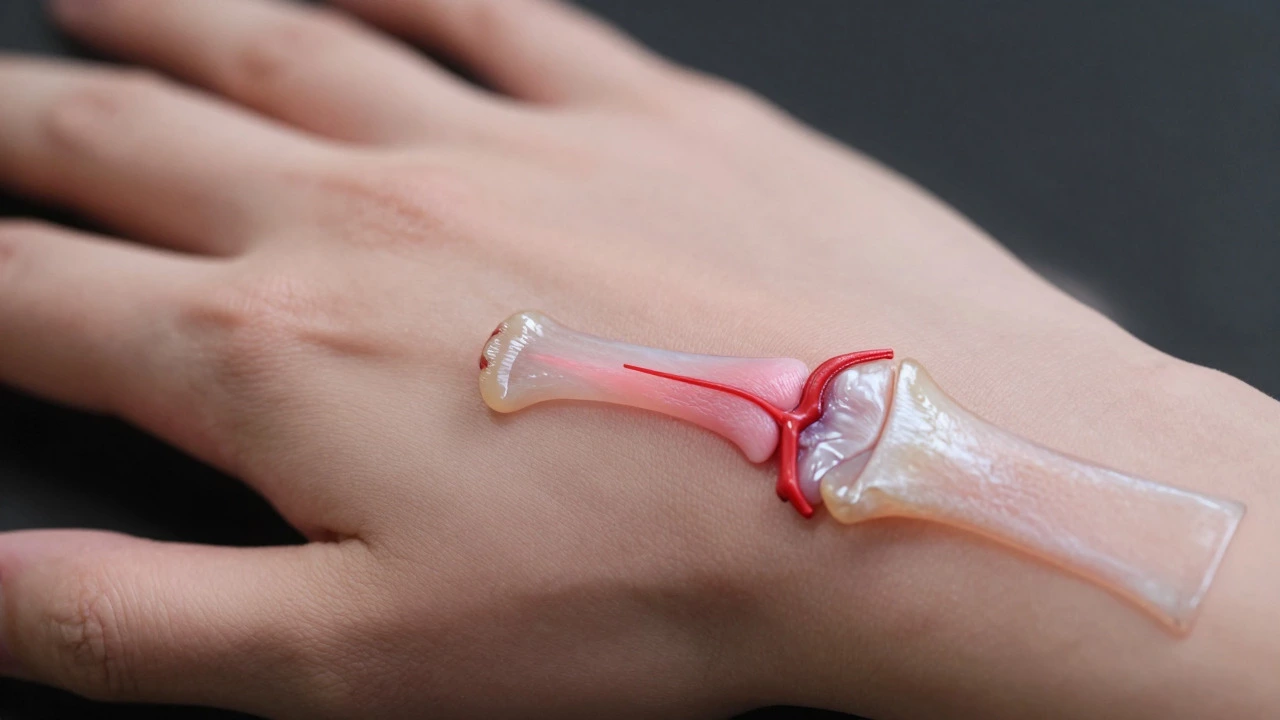
If you fall on an outstretched hand-a common way to break a wrist-the scaphoid is often the victim. This small, boat-shaped bone sits at the base of your thumb. It’s tricky for two main reasons. First, its blood supply enters from one end only. If you break the waist of the scaphoid, the blood can’t reach the part closest to the elbow. That fragment becomes ischemic (starved of oxygen). Second, it’s under constant load every time you grip something.
Doctors call this a high risk for avascular necrosis, which is bone death caused by lack of blood supply. Unlike other fractures where a cast might suffice, scaphoid breaks often need surgery. Screws are inserted to hold the pieces tight, ensuring stability while blood vessels slowly regrow. Even with perfect surgery, healing can take three to six months. If ignored, it leads to arthritis and permanent stiffness.
The Femoral Neck: High Stakes in Hip Fractures
When elderly patients break their hip, it’s rarely just a "hip" break. It’s usually a fracture of the femoral neck. This is the narrow section connecting the ball of your hip joint to the long shaft of your thigh bone. Like the scaphoid, the blood supply here is precarious. The arteries run along the neck. A fracture tears them.
This creates a dangerous scenario. The head of the femur (the ball) loses its blood source. Without blood, the bone collapses. This is why surgeons often replace the entire hip joint rather than trying to fix the break in older adults. For younger people, saving the natural bone is preferred, but the risk of nonunion (failure to heal) is significant. Recovery is slow because you have to protect the weight-bearing surface while it knits. One wrong step too early, and the hardware fails.
The Tibia: The Weight-Bearing Workhorse
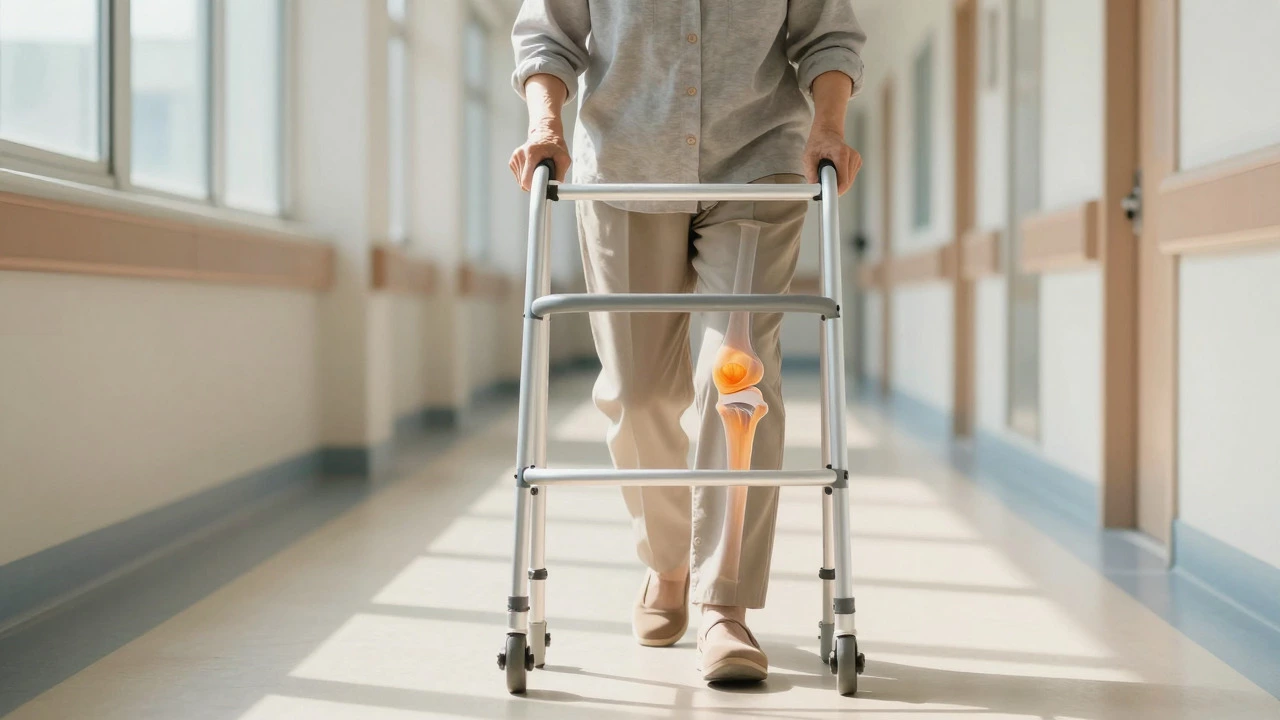
Your tibia (shinbone) bears most of your body weight. When it breaks, especially in the middle third, healing is notoriously difficult. Why? Because the soft tissue coverage is thin. There isn’t much muscle or fat to cushion the bone or bring extra blood vessels to the site. Plus, every time you stand, gravity pulls against the fracture line.
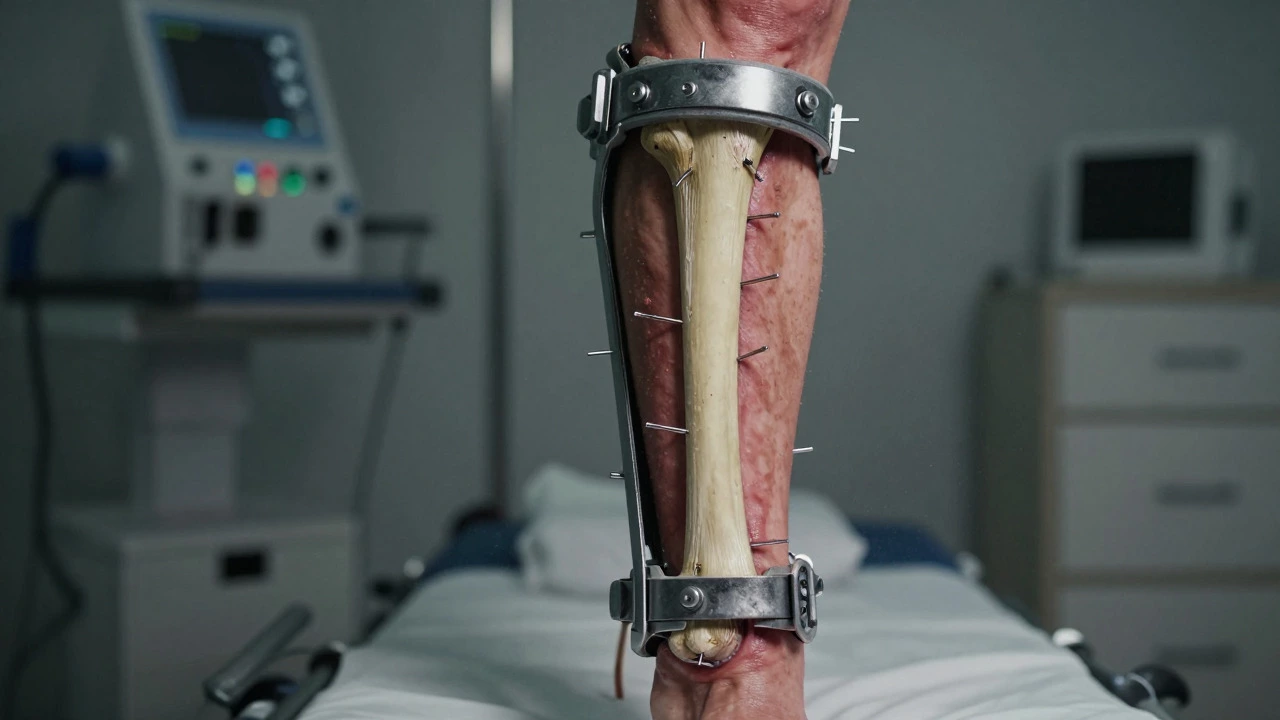
Open fractures of the tibia-where the bone pierces the skin-are particularly bad. The trauma damages the surrounding muscles and nerves, further compromising blood flow. These injuries have the highest rate of infection among long-bone fractures. Infection stops healing dead in its tracks. Surgeons often use external fixators (metal frames outside the leg) initially to let the soft tissues calm down before inserting internal rods. It’s a marathon, not a sprint.
Why Do Some Bones Refuse to Heal?
It’s not just about which bone it is. Several factors turn a standard break into a stubborn nonunion. Understanding these helps set realistic expectations.
- Blood Supply: As mentioned, poor vascularization is the #1 enemy. Bones like the talus (ankle) and navicular (foot) share this trait.
- Mechanical Instability: If the bone fragments move when you walk or grip, the delicate new bone formation gets disrupted. Think of trying to glue two pieces of paper together while shaking them constantly.
- Infection: Bacteria love dead bone space. Once infected, the body fights the bug instead of building bone.
- Patient Factors: Smoking is a massive inhibitor. Nicotine constricts blood vessels, reducing oxygen delivery to the fracture site. Diabetics also struggle due to poor circulation and nerve damage.
Comparing Healing Times and Risks
Not all fractures are created equal. Here is how the toughest ones stack up against a standard forearm break.
| Bone/Fracture Type | Typical Healing Time | Primary Risk Factor | Common Treatment |
|---|---|---|---|
| Distal Radius (Wrist) | 4-6 Weeks | Stiffness | Casting or Plate Fixation |
| Scaphoid (Waist) | 3-6 Months | Avascular Necrosis | Screw Fixation + Cast |
| Femoral Neck | 3-9 Months | Nonunion / AVN | Screws or Hip Replacement |
| Tibial Shaft | 4-8 Months | Infection / Delayed Union | Intramedullary Nail |
| Navicular (Foot) | 3-6 Months | AVN / Stress Fracture | Casting or Surgery |
How to Speed Up Your Recovery
While you can’t change your anatomy, you can control your environment. If you’re dealing with a tough fracture, these steps make a measurable difference.
Stop smoking immediately. Studies show smokers have a significantly higher rate of nonunion compared to non-smokers. It’s not just a health warning; it’s a direct biological barrier to knitting bone.
Nutrition matters. Your body needs raw materials to build bone. Ensure adequate protein intake, Vitamin D, and Calcium. Vitamin C is crucial for collagen synthesis, which forms the initial scaffold of the healing bone. Don’t rely on supplements alone; get sunlight for Vitamin D if possible.
Follow weight-bearing instructions strictly. It sounds counterintuitive, but sometimes doctors want you to put weight on the leg to stimulate bone growth (Wolff’s Law). Other times, they want zero weight to prevent displacement. Guessing here can undo months of progress. Use crutches or walkers exactly as prescribed.
When to Worry About Nonunion
A fracture is considered a delayed union if it hasn’t healed within twice the expected time. A nonunion means it shows no signs of healing after six to nine months. Symptoms include persistent pain at the fracture site, swelling, or instability (a feeling of movement).
If your orthopedic surgeon suggests a bone graft, don’t panic. Taking bone from your pelvis or using synthetic substitutes can jumpstart the process. Sometimes, electrical stimulation devices are used for stubborn cases. It’s frustrating, but modern techniques have good success rates even for the toughest bones.
Which bone takes the longest to heal?
The scaphoid bone in the wrist and the femoral neck in the hip are typically the slowest to heal, often taking 3 to 6 months or longer. This is primarily due to their limited blood supply, which makes them prone to avascular necrosis (bone death).
Why is the scaphoid bone so hard to heal?
The scaphoid has a unique blood supply that enters from only one end. When fractured across the middle (waist), the blood cannot reach the fragment closer to the elbow. This lack of oxygen causes the bone tissue to die, preventing natural healing without surgical intervention.
Does smoking affect bone healing?
Yes, smoking significantly delays bone healing. Nicotine constricts blood vessels, reducing the flow of oxygen and nutrients to the fracture site. Smokers have a higher risk of nonunion, where the bone fails to knit together entirely.
What is avascular necrosis?
Avascular necrosis (AVN) is the death of bone tissue due to a lack of blood supply. It commonly affects the femoral head (hip) and scaphoid (wrist) after fractures. If left untreated, the bone can collapse, leading to severe arthritis and disability.
Can a broken tibia never heal?
While rare, a broken tibia can result in nonunion. This is more common in open fractures where infection sets in, or in smokers. However, with proper treatment such as intramedullary nailing, bone grafting, and lifestyle changes, most tibial fractures eventually heal.