Discover which bones are hardest to heal, including the scaphoid, femoral neck, and tibia. Learn why blood supply and mechanics cause delays, and how to improve recovery outcomes.
Read MoreTag: scaphoid fracture
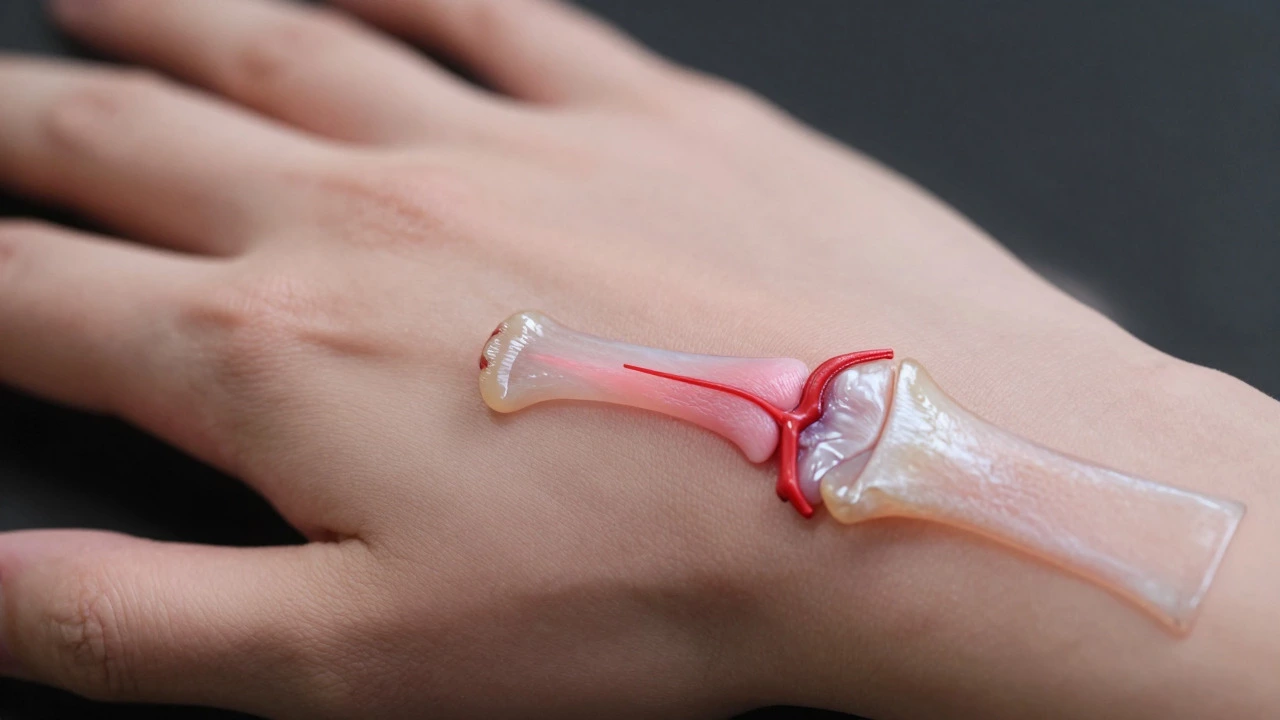
What is the Hardest Bone to Heal? Scaphoid, Femoral Neck & Tibia Explained
Archive
Categories

5 Main Types of Supplements: Health Benefits, Safety, and Science You Need to Know
Curious about supplements? Discover the five main types, their benefits, science, and safety tips, with key facts and practical advice to help you make informed choices.

Can I Get a Prescription Without Seeing a Doctor? UK Online Pharmacy Guide
Find out if you can get a prescription without seeing a doctor in the UK. Learn about legal online pharmacies, NHS digital services, and how to spot fake sites.

Best Herbal Company: How to Choose the Right Herbal Supplements Brand
Looking for the best herbal company? Picking the right herbal supplement brand can feel overwhelming with so many choices out there. This article breaks down what separates good herbal companies from the rest, spotlights top brands, and shares real tips for spotting quality products. Get facts on certifications, sourcing, and what to watch out for if you're shopping for natural health support. You'll leave confident about which herbal companies deserve your trust (and money).

Do They Still Break Your Ribs for Open-Heart Surgery?
Wondering if open-heart surgery still involves breaking ribs? Explore the fascinating advances in heart surgery techniques that have rendered many traditional practices obsolete. Discover the modern alternatives now available, the risks involved, and what to expect during recovery. An essential read for anyone curious about cutting-edge medical procedures and heart health.

How to Get Express Scripts to Approve Wegovy: A Step-by-Step Guide
Struggling with Express Scripts? Learn the exact steps, BMI requirements, and prior authorization tips needed to get your Wegovy prescription approved and covered.