Discover which bones are hardest to heal, including the scaphoid, femoral neck, and tibia. Learn why blood supply and mechanics cause delays, and how to improve recovery outcomes.
Read MoreTag: avascular necrosis
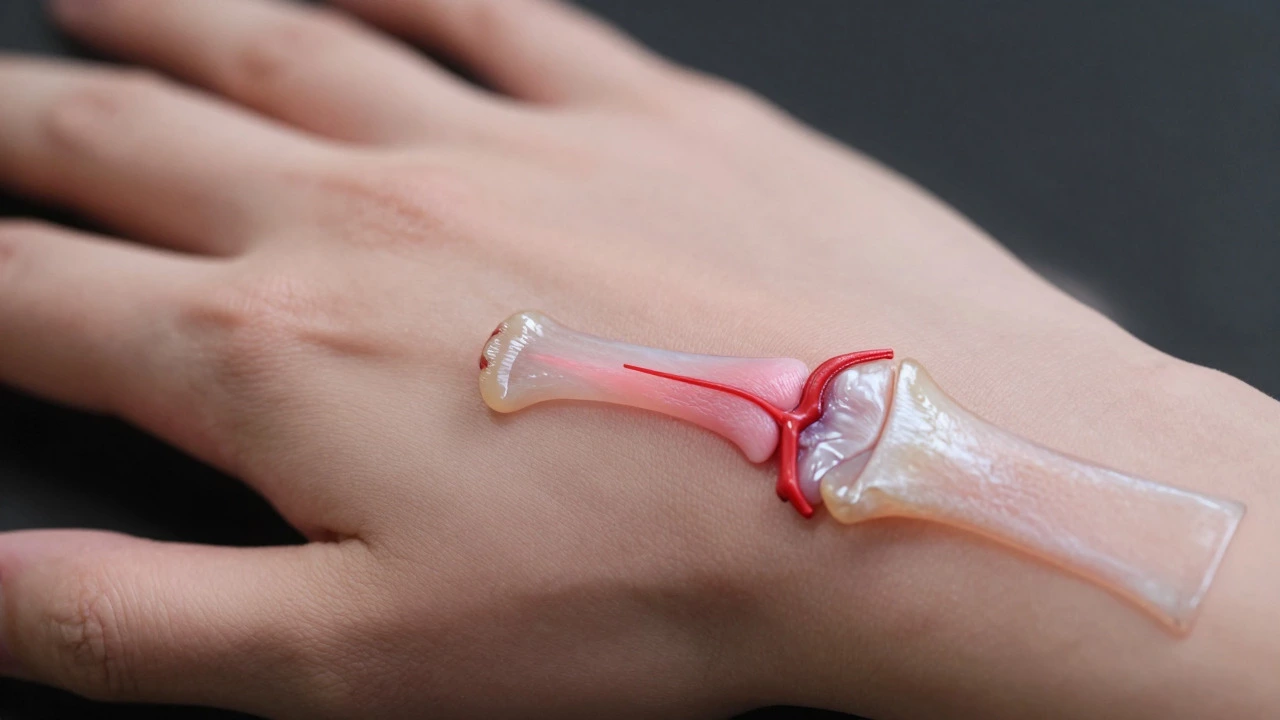
What is the Hardest Bone to Heal? Scaphoid, Femoral Neck & Tibia Explained
Archive
Categories

The King of Ayurveda: Discovering the Ultimate Healing Herb
In the heart of Ayurveda, one herb is often referred to as the 'King'. This prestigious title is not given lightly, as this herb offers a wealth of health benefits rooted in thousands of years of traditional Indian medicine. In this exploration, we uncover what makes this herb the monarch of natural remedies by delving into its historical significance, healing properties, and modern applications. We'll also provide practical tips for incorporating it into your daily routine to harness its full potential.

Which Insurance Covers IVF? A Clear Guide for Hopeful Parents
Figuring out if insurance covers IVF can feel like decoding a secret language. This article breaks down which types of insurance might help with IVF costs, what details matter most in your plan, and how state laws can affect your coverage. Find specific tips for talking to your insurance provider and real facts about what to expect. Don’t let confusing jargon stop your family plans—here’s what you need to know before you start.

Most Popular Diabetic Pills: Metformin and Its Role in Modern Diabetes Management
Discover which diabetic pill tops the charts, why metformin remains the first-line choice, and how these medications are transforming living with type 2 diabetes.

What Are the Side Effects of Ayurvedic Cleanse? Real Risks and What to Watch For
Ayurvedic cleanses promise detox and renewal, but they carry real risks like liver damage, dehydration, and dangerous herb interactions. Learn the side effects, who should avoid them, and safer alternatives.

How Soon Can You Shower After Knee Replacement Surgery?
Wondering when you can enjoy a refreshing shower after knee replacement surgery? Knowing the right time is crucial for your healing process. Each patient is unique, but there are general guidelines to follow. This article dives into when it's safe to shower, the types of bandages that impact timing, and essential tips for managing hygiene post-surgery.