Discover why the fibula is often cited as the bone that never heals. Learn about avulsion fractures, non-unions, and how the body prioritizes function over perfect anatomy.
Read MoreTag: bone regeneration
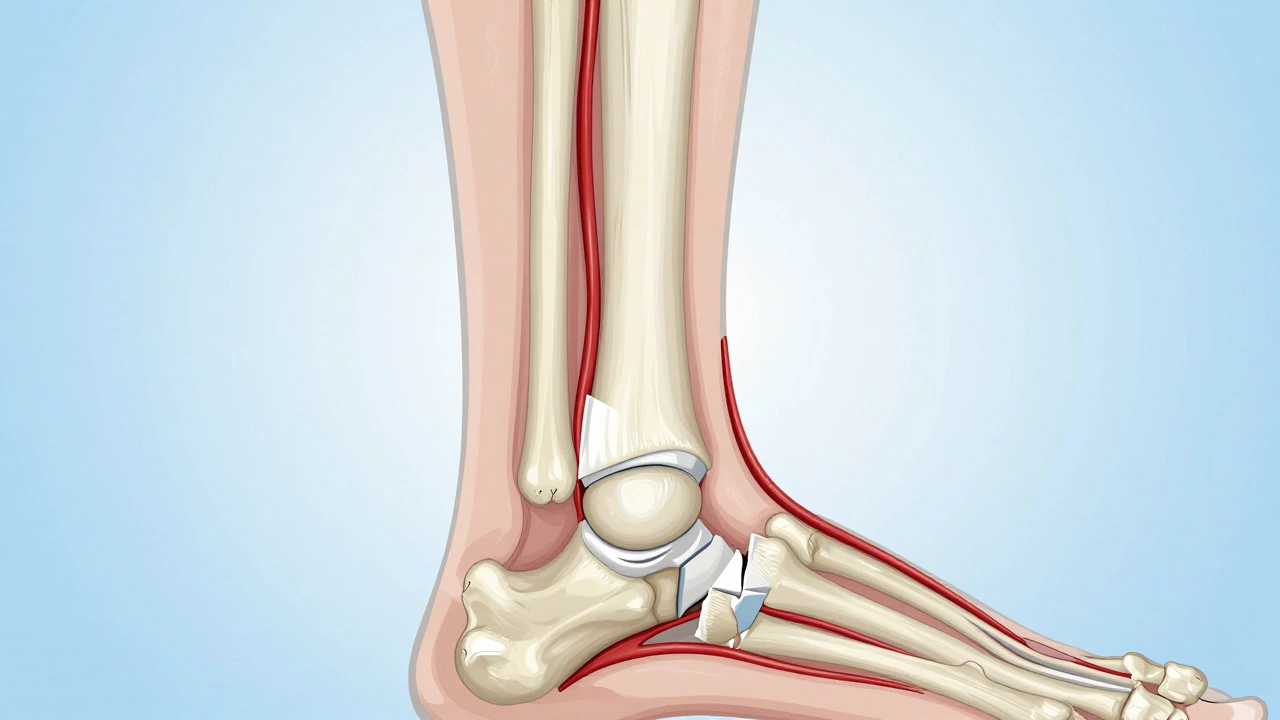
Why the Fibula Never Fully Heals: Understanding Non-Union in Orthopedics
Archive
Categories
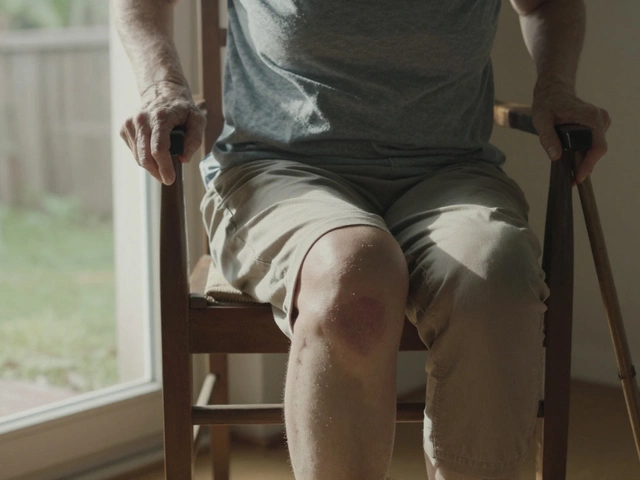
How Bad Does a Knee Have to Be Before Replacement? Real Signs You Might Need Surgery
When does knee pain mean it's time for replacement? Learn the real signs-beyond pain-that signal surgery might be the best step to get your life back.

Knee Replacement: Permanent Restrictions You Really Need to Know
After knee replacement, some activities are off-limits for good. This article breaks down what you can and cannot do with your new joint, from high-impact sports to everyday movements. You’ll learn why these restrictions matter and how to protect your knee for the long haul. We’ll also cover surprising facts, practical tips, and the best ways to stay active without risking your implant. If you want a straightforward answer about life after knee replacement, this is for you.

What Is the Highest Rated Weight Loss Program? Real Results from Top Clinics in 2026
Discover the highest rated weight loss programs in 2026, backed by medical science and real patient results. Learn what makes top clinics stand out-and how to pick the right one for your needs.

Are IVF Babies Normal? What Science Says About Health, Development, and Long-Term Outcomes
Are IVF babies normal? Science shows they develop just like naturally conceived children-with no differences in health, intelligence, or long-term outcomes. Learn the facts behind IVF safety and parenting.
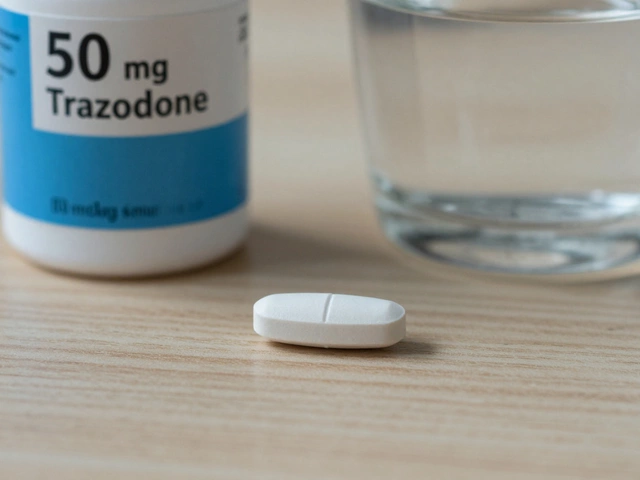
Is Trazodone a Narcotic? What You Need to Know About This Sleep and Depression Medication
Trazodone is not a narcotic-it's an antidepressant used for sleep and depression. Learn how it works, why it's safe, and how to avoid fake pills when buying online.