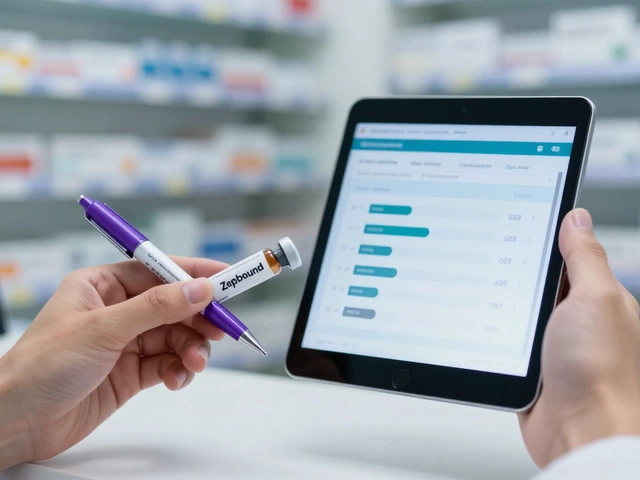
IVF Symptom Assessment Tool
There is a specific kind of anxiety that comes with holding a syringe for the first time. You know the plan is to build a family, but the daily ritual of injecting hormones into your stomach can feel like an invasion. Many people wonder exactly what is happening inside their bodies when they administer these IVF injections are medications used to stimulate egg production and support pregnancy during fertility treatment. It is not just about the needle; it is about the chemical shift that ripples through your entire system. Understanding the mechanics helps you separate the normal discomfort from the warning signs you need to report to your clinic immediately.
Quick Summary / Key Takeaways
- IVF injections primarily stimulate your ovaries to produce multiple eggs instead of the single egg released during a natural cycle.
- Common short-term side effects include bloating, mood swings, breast tenderness, and injection site reactions like bruising.
- The "trigger shot" is a specific injection that finalizes egg maturation and is critical for the timing of egg retrieval.
- Ovarian Hyperstimulation Syndrome (OHSS) is a rare but serious risk where ovaries become swollen and painful.
- Long-term studies show no increased risk of cancer or early menopause due to fertility medications.
- Managing symptoms often involves hydration, light exercise, and tracking weight and urinary output.
The Goal: Ovarian Stimulation
Before you understand the side effects, you need to understand the mission. In a natural menstrual cycle, your body typically recruits a group of follicles (sacs containing eggs), but only one matures fully while the others die off. The purpose of Ovarian Stimulation is a medical process where hormones are used to encourage the ovaries to develop multiple mature eggs. This is essential for IVF because you need more than one egg to create embryos. If you only had one egg, the odds of a successful pregnancy would be incredibly low.
When you start these injections, usually around day 2 or 3 of your period, you are essentially overriding your body's natural selection process. You are telling your ovaries to keep all the eggs alive and growing. This is done using Gonadotropins are hormones that stimulate the ovaries to produce eggs, typically containing FSH and LH. These are the workhorses of the cycle. They mimic the natural hormones your pituitary gland produces but in much higher doses to ensure a robust response. Because you are asking your ovaries to do more work than they are designed to do naturally, your body reacts physically to this increased demand.
Short-Term Physical Changes
The most immediate feedback you get from your body is physical. Within a few days of starting stimulation, many people notice their clothes feeling tighter. This is not weight gain in the traditional sense; it is fluid retention. As your ovaries swell with developing follicles, they release hormones that cause your body to hold onto water. This leads to abdominal bloating, which can range from a mild feeling of fullness to significant distension.
Here is a breakdown of what you might feel during the stimulation phase:
- Bloating and Heaviness: Your abdomen may feel tight or heavy. This is the ovaries enlarging.
- Breast Tenderness: Rising estrogen levels make breast tissue sensitive, similar to premenstrual symptoms but often more intense.
- Headaches: Hormonal fluctuations can trigger migraines or tension headaches.
- Injection Site Reactions: Redness, itching, or bruising at the injection site is common. Rotating sites between the left and right abdomen helps prevent hard lumps.
- Fatigue: Your body is working overtime to produce eggs, which can leave you feeling more tired than usual.
These symptoms are generally considered part of the normal process. However, tracking them is vital. If the bloating becomes severe or is accompanied by nausea, it moves from "expected" to "concerning." The difference often lies in the severity and the speed of onset.
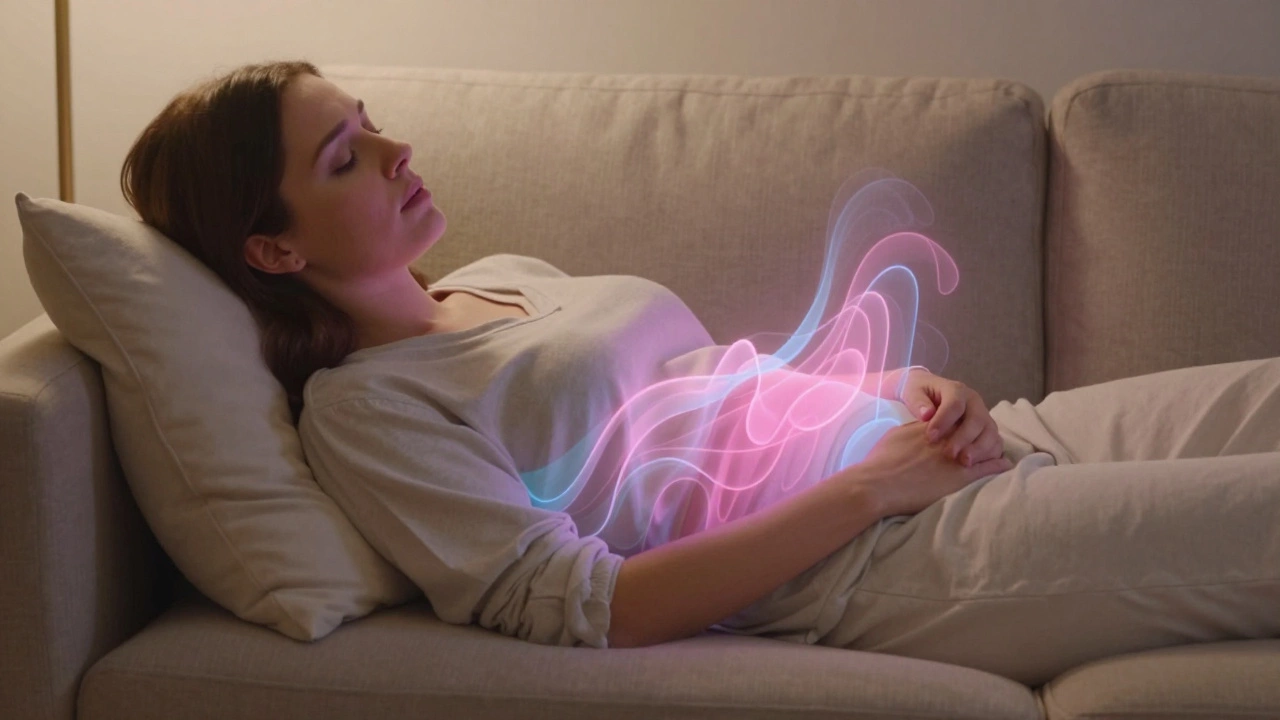
The Hormonal Rollercoaster
It is easy to blame the stress of the treatment for mood swings, but the chemistry is real. The Estrogen is a hormone produced by the ovaries that regulates the menstrual cycle and supports egg development. levels during IVF can reach ten to twenty times higher than a normal cycle. This massive spike affects your brain chemistry. You might feel euphoric one moment and tearful the next without a clear trigger. This is not a reflection of your mental state; it is a direct result of the Hormone Injections are medications administered to regulate reproductive hormones during fertility treatment. manipulating your endocrine system.
As the cycle progresses, you will likely receive a "trigger shot." This is usually hCG (human Chorionic Gonadotropin) is a hormone used to trigger final egg maturation and ovulation in IVF cycles. This injection mimics the natural LH surge that causes ovulation. It tells the eggs to finish maturing so they can be retrieved. This shot often intensifies the physical symptoms. Many patients report that the bloating peaks 24 to 48 hours after this specific injection. It is the final push before the retrieval procedure.
After egg retrieval, the ovaries are empty, but you will still be on medication. This is the luteal phase, where you take Progesterone is a hormone used after embryo transfer to support the uterine lining and maintain pregnancy. to support the uterine lining. Progesterone is known for causing drowsiness and can make you feel groggy. It is the hormone of relaxation, preparing the body for potential pregnancy. If you are planning to drive or operate machinery, be mindful of how the progesterone makes you feel.
Risks and Complications: OHSS
While most side effects are manageable, there is a specific complication that requires vigilance. Ovarian Hyperstimulation Syndrome is a condition where the ovaries become swollen and painful due to an excessive response to fertility drugs. or OHSS, happens when the ovaries overreact to the stimulation drugs. In mild cases, it looks like severe bloating and nausea. In severe cases, fluid leaks from the blood vessels into the abdomen and chest cavity. This can lead to dangerous electrolyte imbalances and kidney issues.
You should contact your clinic immediately if you experience:
- Rapid weight gain (more than 1-2 kg in a day).
- Severe abdominal pain that does not go away with rest.
- Shortness of breath or difficulty breathing.
- Significantly reduced urine output.
- Swelling in the legs or ankles.
Modern protocols have made severe OHSS much rarer. Clinics now monitor blood estrogen levels and ultrasound scans closely to adjust medication doses. If they see you are a "high responder," they might cancel the cycle or use a different trigger shot (like Lupron) instead of hCG to reduce the risk. Being honest about how you feel is the best way to prevent this from becoming an emergency.

Long-Term Health and Myths
One of the biggest fears for women starting IVF is whether these drugs will hurt them in the future. There is a persistent myth that IVF causes early menopause or increases the risk of ovarian cancer. The medical consensus, backed by extensive data, is reassuring. The injections do not use up your egg supply faster than nature would. In a natural cycle, a group of eggs starts to grow but dies off. The drugs just rescue those eggs that were going to die anyway.
Regarding cancer, large-scale studies have not found a significant link between fertility drugs and ovarian cancer. There is a slight association with borderline tumors in some studies, but this is often linked to the underlying infertility rather than the drugs themselves. For most patients, the long-term health impact is neutral. You do not need to worry about "burning out" your ovaries. However, if you have a history of hormone-sensitive cancers, your doctor will discuss the risks specifically for your case.
Managing Side Effects at Home
You can take active steps to make the stimulation phase more bearable. It is not just about enduring the symptoms; you can mitigate them. Hydration is your best friend. Drinking plenty of water and electrolyte-rich fluids helps your body manage the fluid retention and reduces the risk of OHSS. Some clinics recommend high-protein diets during stimulation to keep protein levels in the blood stable.
Here are some practical tips for daily management:
- Monitor Weight: Weigh yourself every morning after using the bathroom. Sudden jumps indicate fluid retention.
- Track Urine Output: If you are not urinating frequently, your fluid balance might be off.
- Comfortable Clothing: Wear loose-fitting clothes to accommodate the bloating.
- Rest: Listen to your body. If you are tired, sleep. Your body is doing heavy lifting.
- Injection Technique: Let the alcohol wipe dry completely before injecting to reduce stinging. Pinch the skin gently to minimize discomfort.
Remember that every body reacts differently. One person might feel nothing but a little bloating, while another might feel the full spectrum of symptoms. Neither reaction is "wrong." It is simply how your specific physiology responds to the medication.
Conclusion
IVF injections are powerful tools that fundamentally alter your hormonal landscape for a few weeks. They are designed to maximize your chances of conception by encouraging your ovaries to work harder than they naturally would. While the side effects-bloating, mood swings, and fatigue-can be challenging, they are usually temporary and manageable. By understanding what the drugs are doing and monitoring your body's signals, you can navigate the treatment with confidence and safety. Always keep an open line of communication with your fertility team; they are there to adjust the plan if your body is reacting too strongly.
Do IVF injections cause permanent weight gain?
No, IVF injections do not cause permanent weight gain. The weight fluctuation during treatment is primarily due to water retention and the enlargement of the ovaries. Once the cycle is complete and hormone levels return to normal, the fluid is excreted, and the weight loss typically occurs within a few weeks.
Can I exercise while on IVF stimulation?
Light exercise is generally encouraged to improve blood flow, but you should avoid high-impact activities or heavy lifting. As your ovaries enlarge, there is a risk of ovarian torsion (twisting), so stick to walking or gentle yoga and stop if you feel pain.
Why do I feel so emotional during IVF?
The high levels of estrogen and progesterone directly affect neurotransmitters in the brain that regulate mood. Combined with the stress of the treatment process, this creates a perfect storm for mood swings, irritability, and tearfulness.
What is the trigger shot and why is it important?
The trigger shot is an injection of hCG or Lupron given about 36 hours before egg retrieval. It signals the eggs to finish maturing. Without it, the eggs would not be ready for fertilization, and the retrieval would likely fail.
How long do the side effects last after the cycle?
Most side effects resolve within a few days to a week after the egg retrieval or embryo transfer. Your menstrual cycle usually returns to normal within two weeks if the cycle is cancelled or unsuccessful.