
ACV Liver Health Myth Checker
You’ve probably seen the posts. A glass of cloudy liquid mixed with water, claimed to flush out toxins, heal your insides, and make you feel lighter by noon. It’s usually Apple Cider Vinegar, or ACV for short. But does it actually clean your liver? The short answer is no. Your liver doesn’t need a vinegar bath to function; it needs support. However, that doesn’t mean ACV is useless. It plays a role in metabolic health, which indirectly helps your liver work better. Let’s separate the internet hype from biological reality so you know exactly what you’re putting into your body.
How Your Liver Actually Cleans Itself
Before we talk about vinegar, we need to talk about the organ doing the heavy lifting: your liver. Think of it as your body’s ultimate filtration plant. It processes everything you eat, drink, and breathe. When people say they want to "clean" their liver, they are usually imagining a clogged pipe that needs a chemical wash. That’s not how human biology works.
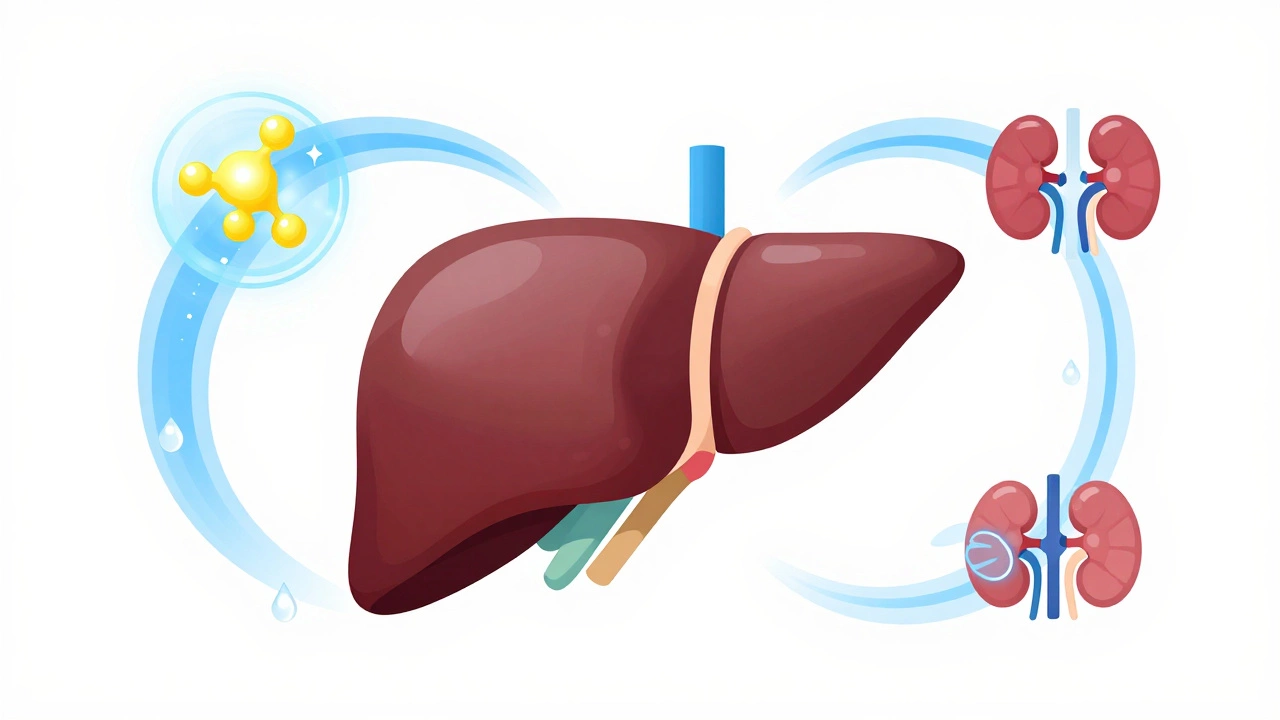
Your liver performs two main jobs: metabolism and detoxification. First, it breaks down nutrients from food into energy. Second, it neutralizes harmful substances like alcohol, medication byproducts, and environmental pollutants. This process happens in stages. Enzymes in your liver cells convert toxic fat-soluble compounds into water-soluble ones. Once they are water-soluble, your kidneys filter them out through urine. If your liver is healthy, this cycle runs automatically, 24/7, without any intervention from you.
The idea of a "liver cleanse" often stems from a misunderstanding of how toxins leave the body. There is no scientific evidence that drinking apple cider vinegar speeds up this enzymatic process. In fact, trying to force a "flush" can sometimes stress the system rather than help it. Your liver regenerates itself constantly. If you damage it, it repairs itself. If you support it, it thrives. You don’t need a miracle drink; you need a lifestyle that reduces the workload on your organs.
What Apple Cider Vinegar Actually Does
So, if ACV doesn’t scrub your liver, why is everyone talking about it? The buzz comes from its primary active ingredient: acetic acid. Acetic acid is the component that gives vinegar its sour taste and sharp smell. Research has shown that acetic acid can influence how your body handles blood sugar and fats. This connection is where the liver benefits come in, but it’s indirect.
When you consume carbohydrates, your body converts them into glucose. High levels of glucose in the blood trigger insulin release. Over time, high insulin levels can lead to insulin resistance, a condition closely linked to fatty liver disease. Some studies suggest that consuming vinegar before a meal can improve insulin sensitivity. By helping your cells absorb glucose more efficiently, ACV may prevent excess sugar from turning into fat and storing it in your liver. This is a protective effect, not a cleaning one. It stops the problem from getting worse, rather than fixing existing damage.
Additionally, some animal studies have indicated that acetic acid might reduce lipid accumulation in the liver. In rats fed a high-fat diet, those given vinegar showed lower levels of triglycerides and cholesterol. While these results are promising, they haven’t been consistently replicated in large-scale human trials. Human metabolism is far more complex than rat metabolism. You cannot simply scale up the dosage and expect the same dramatic results. Still, the potential for ACV to aid in weight management and blood sugar control makes it a useful tool in a broader health strategy.
| Claim | Scientific Reality |
|---|---|
| ACV flushes toxins directly from the liver. | False. The liver detoxifies naturally via enzymes; ACV does not speed this up. |
| ACV cures fatty liver disease. | Unproven. It may help manage blood sugar, which supports liver health, but it is not a cure. |
| Vinegar dissolves liver fat. | Misleading. Animal studies show reduced lipid accumulation, but human data is limited. |
| ACV improves insulin sensitivity. | Likely true. Several small human studies support this benefit when taken with meals. |
The Risks of DIY Liver Detoxes
Just because something is natural doesn’t mean it’s safe. Apple cider vinegar is highly acidic, with a pH level around 2 to 3. Drinking it straight, or even diluted poorly, can cause real harm. Many people seeking a "cleanse" ignore the risks and focus only on the promised reward. This approach often backfires.
One major risk is esophageal damage. The acidity of ACV can erode tooth enamel and irritate the lining of your throat and stomach. If you have acid reflux or gastritis, adding more acid to the mix can worsen symptoms. Chronic irritation in the digestive tract can lead to inflammation, which puts additional stress on your entire metabolic system, including your liver.
There is also the issue of potassium levels. Case reports exist of people developing hypokalemia (low potassium) after consuming large amounts of ACV daily over long periods. Potassium is crucial for heart function and muscle movement. Low levels can cause fatigue, weakness, and irregular heartbeats. Your liver relies on stable electrolyte balances to function optimally. Disrupting this balance with excessive vinegar intake is counterproductive.
Furthermore, relying on ACV for liver health might distract you from actual treatments. If you have non-alcoholic fatty liver disease (NAFLD) or another liver condition, skipping medical advice in favor of home remedies can be dangerous. NAFLD is now the most common chronic liver disease in many developed countries. It requires dietary changes, exercise, and sometimes medication-not just a spoonful of vinegar.
Better Ways to Support Your Liver
If you want a healthy liver, forget the detox teas and vinegar shots. Focus on habits that reduce inflammation and prevent fat buildup. These strategies are backed by decades of clinical research and offer far greater returns than any supplement.
- Cut back on added sugars: Fructose, especially from sugary drinks and processed snacks, is a primary driver of liver fat. When you eat too much fructose, your liver converts it directly into fat. Reducing soda, juice, and candy is the single most effective step you can take.
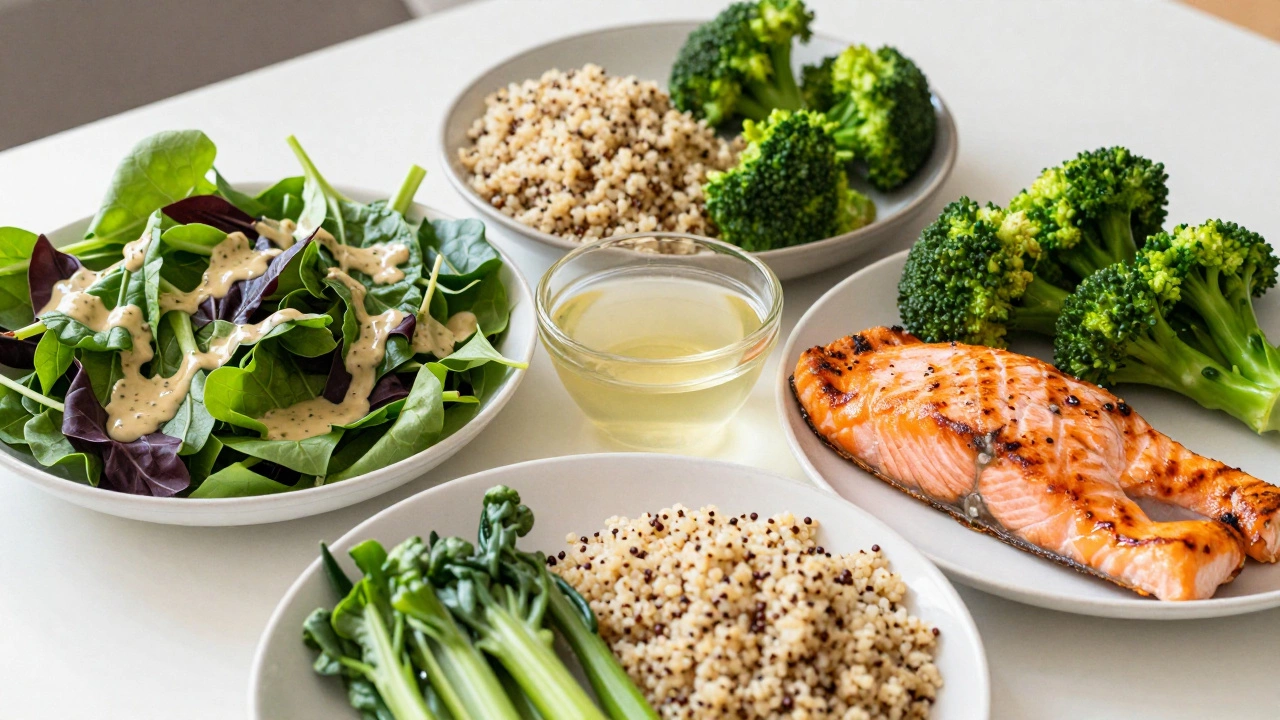
- Eat fiber-rich foods: Whole grains, vegetables, and legumes slow down digestion and help regulate blood sugar. Fiber also binds to bile acids, helping your body excrete excess cholesterol. This reduces the burden on your liver.
- Limit alcohol: Alcohol is a direct toxin to liver cells. Even moderate drinking can contribute to fatty liver in susceptible individuals. If you have liver concerns, abstinence is the safest choice.
- Exercise regularly: Physical activity burns glucose and fat for fuel. This prevents these substances from accumulating in your liver. Aim for at least 150 minutes of moderate aerobic exercise per week, combined with strength training.
- Maintain a healthy weight: Excess body fat, particularly around the abdomen, is strongly linked to liver disease. Losing just 5-10% of your body weight can significantly reduce liver fat and inflammation.
Incorporating apple cider vinegar into this routine is fine, but it should be a minor addition, not the centerpiece. Use it as a salad dressing or dilute it properly in water if you want to try it for blood sugar control. Never let it replace the foundational pillars of liver health: diet, movement, and moderation.
How to Use ACV Safely (If You Choose To)
If you decide to include ACV in your diet, do it correctly. Safety matters more than efficacy when dealing with concentrated acids. Here is how to minimize risks while potentially gaining some metabolic benefits.
- Dilute it always: Mix one to two tablespoons of ACV in a large glass of water (at least 8 ounces). Never drink it undiluted. The water protects your teeth and throat from the harsh acid.
- Use a straw: Sipping through a straw minimizes contact with your tooth enamel. Follow up by rinsing your mouth with plain water afterward. Do not brush your teeth immediately after, as the enamel is softened by the acid.
- Take it with meals: The best time to consume ACV is right before or during a carb-heavy meal. This timing aligns with its ability to blunt blood sugar spikes. Taking it on an empty stomach can increase nausea and acid reflux.
- Start small: Begin with one teaspoon to see how your stomach reacts. Increase gradually to a tablespoon if tolerated. Listen to your body. If you experience burning or discomfort, stop using it.
- Choose raw, unfiltered ACV: Look for bottles that say "with the mother." The mother contains strands of proteins, enzymes, and beneficial bacteria. While the science on whether these survive pasteurization or digestion is mixed, raw ACV is generally considered higher quality than distilled white vinegar.
Remember, consistency beats intensity. A small amount of ACV daily is safer and potentially more beneficial than a massive dose once a week. And again, view it as a supportive habit, not a medical treatment.
When to See a Doctor
Your liver is a silent worker. It rarely sends pain signals until significant damage has occurred. Symptoms like persistent fatigue, yellowing of the skin or eyes (jaundice), abdominal swelling, or dark urine are red flags. If you experience these, do not reach for the vinegar bottle. Reach for a phone.
A healthcare provider can run simple blood tests to check your liver enzymes (ALT and AST). Elevated levels indicate inflammation or cell damage. They can also order an ultrasound to check for fat accumulation. Early detection of conditions like hepatitis, cirrhosis, or NAFLD allows for effective management. Self-treating with herbal supplements can delay diagnosis and worsen outcomes.
If you are taking medications, talk to your doctor before starting ACV. Vinegar can interact with diuretics, insulin, and certain heart medications. For example, combining ACV with insulin could cause your blood sugar to drop too low (hypoglycemia). Interactions vary based on your unique health profile, so professional guidance is essential.
The Bottom Line on Liver Health
Apple cider vinegar is not a magic bullet for liver cleansing. It won’t dissolve toxins or scrub your organs clean. However, it is a inexpensive, accessible tool that may help regulate blood sugar and support weight management. These effects indirectly benefit your liver by reducing the metabolic stress placed upon it.
The real secret to a clean, healthy liver isn’t found in a jar of condiments. It’s found in your kitchen choices, your gym habits, and your relationship with alcohol. Prioritize whole foods, move your body daily, and avoid unnecessary toxins. If you enjoy the taste of ACV and tolerate it well, go ahead and use it. Just don’t expect miracles. Your liver is resilient, but it respects consistency over quick fixes. Treat it with respect, and it will keep you going for years to come.
Does apple cider vinegar cure fatty liver?
No, apple cider vinegar does not cure fatty liver disease. While some animal studies suggest it may reduce fat accumulation, there is insufficient human evidence to claim it cures NAFLD. Treatment involves weight loss, dietary changes, and managing underlying conditions like diabetes.
How much ACV should I drink for liver health?
There is no official recommended dose for liver health. Most studies use 1 to 2 tablespoons diluted in water daily. Start with a smaller amount to assess tolerance. Always dilute it to protect your teeth and digestive tract.
Can ACV damage my liver if I take too much?
Direct liver damage from ACV is rare, but excessive consumption can lead to low potassium levels and digestive issues, which indirectly stress the body. The acidity can also harm your esophagus and teeth. Moderation is key.
Is ACV better than lemon water for detox?
Neither ACV nor lemon water "detoxes" your liver, as your liver cleans itself naturally. Lemon water provides vitamin C and hydration, which are beneficial. ACV may offer slight advantages for blood sugar control. Both are safe in moderation, but neither replaces a healthy diet.
What are the best foods for liver health?
The best foods for liver health include leafy greens, cruciferous vegetables (like broccoli and cauliflower), fatty fish rich in omega-3s, nuts, seeds, and whole grains. These foods provide antioxidants, fiber, and healthy fats that reduce inflammation and support metabolic function.
Can I drink ACV every day?
Yes, most people can safely drink diluted ACV daily. However, monitor for side effects like nausea, throat irritation, or tooth sensitivity. If you have kidney disease or take certain medications, consult your doctor first.