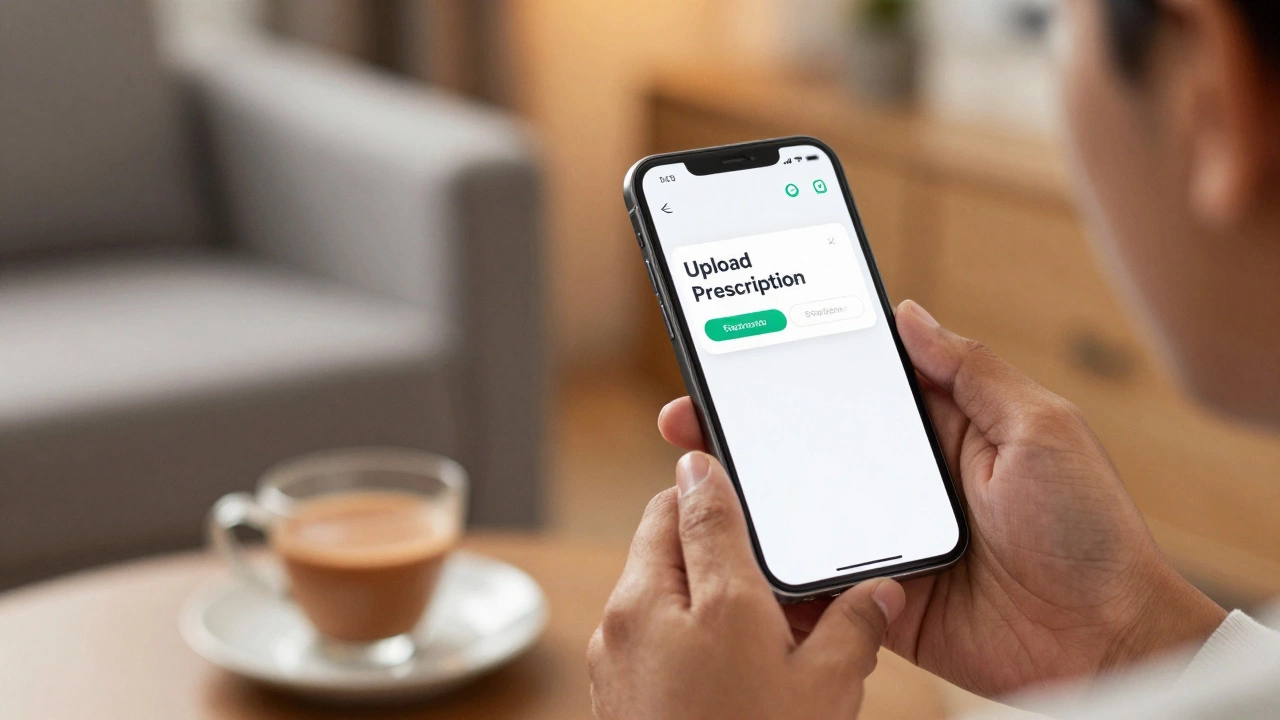
You have a nagging cough, or maybe you need to refill your monthly medication, and the last thing you want is to stand in line at the local drugstore. You type "buy antibiotics online" into your search bar, find a site with great prices, and click buy. But then a question pops up: "Upload your prescription." Do they actually look at it? Or do they just stamp it and send it?
The short answer is yes, legitimate online pharmacies absolutely check prescriptions. In fact, verifying that you have a valid, doctor-issued prescription is the single most important job of any legal pharmacy, whether it’s across the street or on the internet. However, the process looks different than what you might expect from a brick-and-mortar store.
How Legitimate Online Pharmacies Verify Prescriptions
When you use a reputable service like CVS Caremark, which is a major mail-order pharmacy service that requires strict prescription validation through electronic networks, you aren’t just uploading a PDF and hoping for the best. There is a rigorous chain of custody involved.
First, the prescription must come from a licensed prescriber. This means a doctor, nurse practitioner, or physician assistant who holds an active license in the state where you are located. The online pharmacy checks this license against state medical board databases. If the doctor’s license has expired or been revoked, the request is denied immediately.
Second, they verify the patient information. They cross-reference your name, date of birth, and address with their records. For new patients, this often involves a brief consultation with a pharmacist or a telehealth provider to ensure the medication is appropriate for your condition. This isn't just bureaucracy; it’s a safeguard against drug interactions and misuse.
Third, they check for duplication of therapy. If you are already taking a similar medication from another source, the system flags it. Pharmacists are trained to spot these conflicts. For example, if you try to order an opioid painkiller while already prescribed one by your primary care physician, the pharmacist will likely call you or your doctor before dispensing. This step prevents accidental overdoses and dangerous combinations.
The Role of Telehealth in Prescription Verification
A growing number of people get their prescriptions directly through Telehealth platforms, which are digital health services that connect patients with licensed providers via video or chat for diagnosis and treatment. Services like Teladoc or Amwell integrate directly with pharmacies. When a doctor writes a script during a video visit, it goes electronically to the pharmacy. No paper, no upload errors.
This integration makes verification faster and more secure. Electronic prescriptions (e-prescribing) reduce the risk of forged documents significantly. The data travels through encrypted networks, ensuring that the prescription hasn't been tampered with. It also allows pharmacists to see the full context of the visit, including notes on why the medication was prescribed, which helps them provide better counseling when you receive your meds.
However, not all telehealth visits result in immediate prescriptions. For controlled substances like ADHD medications or anxiety drugs, federal laws in the United States still require an in-person evaluation for the initial prescription in many cases. Online pharmacies know this. If a telehealth provider tries to e-script a controlled substance without meeting legal requirements, the pharmacy’s compliance team will reject it. They don’t take chances because the penalties are severe.
Red Flags: When Pharmacies Don’t Check Prescriptions
If you stumble upon a website that lets you buy prescription drugs without providing any proof of a doctor’s order, run away. Fast. These sites are illegal and dangerous. They operate outside the law, meaning there is no oversight on the quality, safety, or authenticity of the drugs they sell.
Here are the warning signs of a rogue online pharmacy:
- No prescription required: They ask you to fill out a questionnaire instead of requiring a valid Rx from a doctor.
- Prices that seem too good to be true: If insulin is selling for half the price everywhere else, something is wrong. Counterfeit drugs often cost less to produce because they skip quality control.
- No physical address or phone number: Legitimate businesses have contact info. Rogue sites often only offer email support.
- Selling controlled substances easily: If you can buy Xanax or Adderall as easily as aspirin, it’s a scam.
Why does this matter? Because counterfeit medications can contain incorrect dosages, wrong ingredients, or even toxic substances like fentanyl or heavy metals. A study by the World Health Organization found that nearly 10% of substandard and falsified medicines are sold online. By skipping the verification step, these sites put your life at risk.
How to Spot a Safe Online Pharmacy
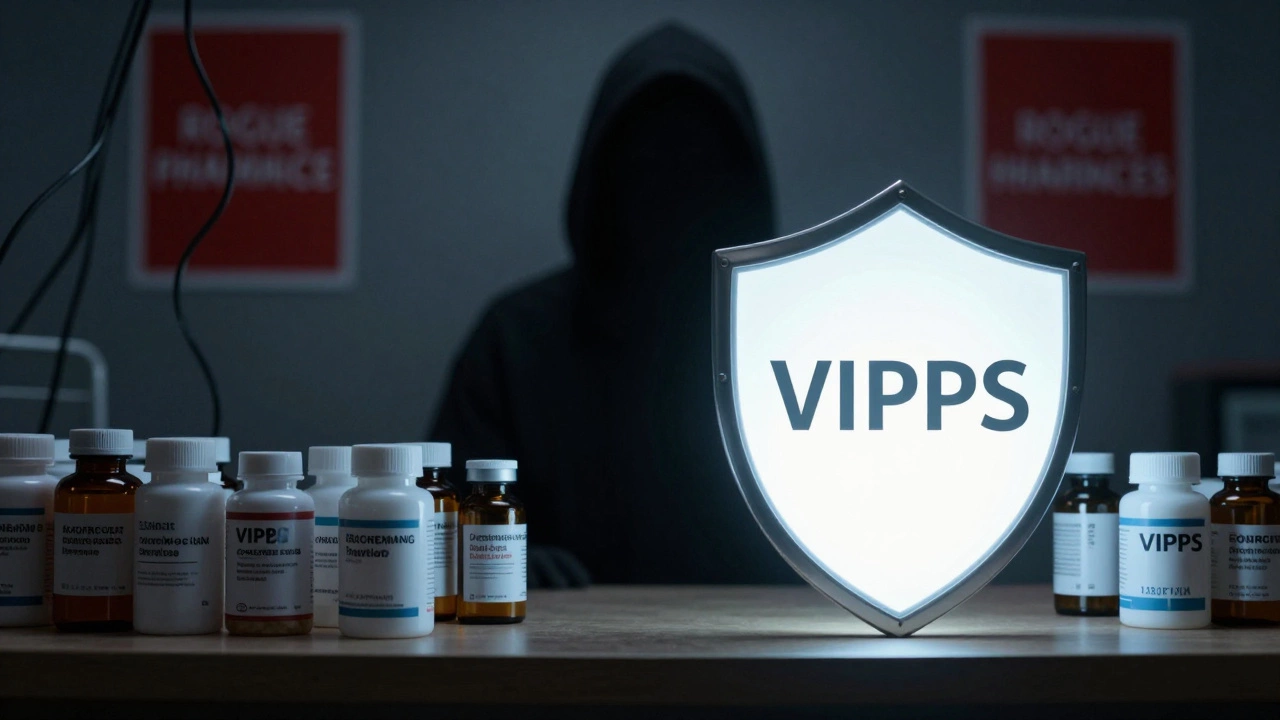
Not all online pharmacies are created equal. To ensure you are using a safe service, look for accreditation. In the United States, the gold standard is the VIPPS seal, which stands for Verified Internet Pharmacy Practice Sites, a certification program by the National Association of Boards of Pharmacy. This seal indicates that the pharmacy meets high standards for safety, security, and professionalism.
You can verify this seal by clicking on it on the website. It should take you to the NABP verification page showing the pharmacy’s current status. Another trusted indicator is membership in the International Society of Pharmacies (ISP) or similar bodies in other countries.
Also, check if the pharmacy requires a valid prescription for every order. If they do, they are likely following the rules. Additionally, look for a licensed pharmacist available for consultation. Most legitimate sites have a "Chat with a Pharmacist" feature. This shows they have qualified professionals on staff ready to answer questions about your medication.
| Feature | Legitimate Online Pharmacy | Rogue Online Pharmacy |
|---|---|---|
| Prescription Requirement | Strictly enforced | Optional or none |
| Accreditation | VIPPS or equivalent | None or fake seals |
| Contact Information | Physical address and phone number | Email only or hidden |
| Pharmacist Access | Available for consultation | Not available |
| Pricing | Competitive but realistic | Unusually low |
Privacy and Security Concerns
Sharing your prescription details online raises privacy concerns. Who sees your medical history? How is your data stored? Legitimate online pharmacies adhere to strict privacy laws like HIPAA in the US. This means your personal health information is encrypted and protected. They cannot share your data with third parties without your consent, except for billing and fulfillment purposes.
Before uploading your prescription, read the privacy policy. Look for statements about data encryption and how long they retain your records. Avoid sites that ask for unnecessary personal information, like your Social Security number, unless it’s for identity verification during payment processing.
Also, consider using a credit card for payments. Credit cards offer fraud protection that debit cards or wire transfers do not. If something goes wrong, you can dispute the charge. Never send money via gift cards or cryptocurrency to an unknown pharmacy.
The Future of Prescription Verification
Technology is making prescription verification even more robust. Blockchain technology is being explored to create immutable records of prescriptions. This would allow patients, doctors, and pharmacies to access a shared, secure ledger that cannot be altered. Imagine a world where your prescription history follows you seamlessly, reducing errors and preventing fraud.
Artificial intelligence is also helping pharmacists detect patterns of misuse. AI algorithms can analyze prescribing habits and flag unusual requests. For instance, if a patient suddenly asks for a large quantity of a controlled substance, the system can alert the pharmacist to investigate further. These tools enhance human judgment rather than replace it.
As regulations evolve, we can expect stricter enforcement against rogue pharmacies. Governments worldwide are cracking down on illegal online sales. The FDA regularly publishes lists of unsafe websites to warn consumers. Staying informed and choosing accredited services is the best way to protect yourself.
Can I buy prescription drugs online without a prescription?
No, it is illegal to purchase prescription medications without a valid prescription from a licensed healthcare provider. Websites that offer this service are operating illegally and may sell counterfeit or unsafe products. Always ensure you have a prescription before ordering.
Is it safe to upload my prescription to an online pharmacy?
Yes, as long as you use a reputable and accredited online pharmacy. Legitimate services use encryption to protect your data and comply with privacy laws like HIPAA. Avoid uploading sensitive documents to unverified sites.
How do I know if an online pharmacy is legitimate?
Look for the VIPPS seal or other recognized accreditations. Check if they require a valid prescription, have a physical address and phone number, and offer access to a licensed pharmacist. You can also verify the pharmacy’s status on the National Association of Boards of Pharmacy website.
What happens if my online prescription is rejected?
If your prescription is rejected, the pharmacy will usually notify you with a reason. Common reasons include unclear handwriting, missing information, or potential drug interactions. Contact your doctor to clarify or issue a new prescription if needed.
Are online pharmacies cheaper than local ones?
Often, yes. Online pharmacies have lower overhead costs, which can translate to savings for consumers. However, always compare prices and factor in shipping fees. Be cautious of prices that seem too good to be true, as they may indicate counterfeit products.