
Orthopedic Care Needs Assessor
Answer the following questions about your symptoms to receive a personalized recommendation based on standard orthopedic guidelines.
Disclaimer: This tool provides general information based on common medical guidelines. It does not replace professional medical advice, diagnosis, or treatment.
Ever woken up with a sharp pain in your knee that makes walking down the stairs feel like climbing Everest? Or maybe you’ve twisted an ankle playing weekend football and wondered if it’s just a sprain or something more serious. If so, you’re already thinking about what orthopedics take care of. But here’s the thing-most people think orthopedics is only for broken bones or elderly hip replacements. The reality? It’s way broader than that.
Orthopedics is the branch of medicine focused on the musculoskeletal system-that means your bones, joints, muscles, ligaments, tendons, and nerves. Think of it as the body’s framework and movement engine. When any part of this system breaks down, whether from injury, disease, or wear and tear, orthopedic specialists step in. They don’t just fix fractures; they help you move better, live pain-free, and stay active at every age.
Quick Summary / Key Takeaways
- Orthopedics covers everything related to bones, joints, muscles, ligaments, tendons, and nerves-not just broken bones.
- Common conditions treated include arthritis, sports injuries, back pain, carpal tunnel syndrome, and congenital deformities.
- Treatments range from physical therapy and medication to minimally invasive procedures and major surgeries like joint replacements.
- You should see an orthopedist if pain lasts more than a few days, limits daily activities, or follows an injury with swelling or instability.
- Prevention through exercise, proper posture, and weight management can significantly reduce long-term orthopedic issues.
What Exactly Does Orthopedics Cover?
Let’s break it down simply. Your musculoskeletal system has two main jobs: support your body and let you move. Bones provide structure. Joints allow motion. Muscles generate force. Ligaments and tendons connect everything together. Nerves send signals to coordinate all of this. When any component fails, movement becomes painful or impossible.
Orthopedic doctors-also called orthopedic surgeons or orthopedists-are trained to diagnose and treat problems across this entire system. That includes:
- Bone disorders: fractures, osteoporosis, bone tumors, infections (osteomyelitis), and metabolic bone diseases.
- Joint diseases: osteoarthritis, rheumatoid arthritis, gout, bursitis, and joint degeneration.
- Muscle and soft tissue injuries: strains, tears, tendonitis, bursitis, and muscle imbalances.
- Ligament and tendon damage: ACL tears, rotator cuff injuries, Achilles tendon ruptures, and carpal tunnel syndrome.
- Nerve compression issues: sciatica, herniated discs, spinal stenosis, and peripheral nerve entrapments.
- Congenital and developmental conditions: clubfoot, scoliosis, hip dysplasia, and limb length discrepancies.
It’s not just about fixing what’s broken-it’s about restoring function, preventing future damage, and improving quality of life. Whether you’re a teenager recovering from a growth plate fracture or a senior managing knee arthritis, orthopedics plays a central role.
Who Should See an Orthopedic Specialist?
Not every ache and pain needs an orthopedist. But there are clear signs that it’s time to seek professional help. Here’s when you should consider booking an appointment:
- Pain lasting more than 3-5 days: Occasional soreness after exercise is normal. Persistent pain isn’t.
- Swelling, redness, or warmth around a joint: These could signal inflammation, infection, or acute injury.
- Difficulty moving or bearing weight: If you can’t walk, climb stairs, or lift objects without pain, something’s wrong.
- Instability or “giving way” sensations: Common in ligament tears or severe cartilage damage.
- Visible deformity or abnormal shape: Especially after trauma or in children with growing skeletons.
- Numbness, tingling, or weakness: Often linked to nerve compression in the spine or extremities.
Don’t wait until you’re limping or unable to work. Early intervention often means simpler treatments-like physical therapy instead of surgery-and faster recovery.
How Do Orthopedic Doctors Diagnose Problems?
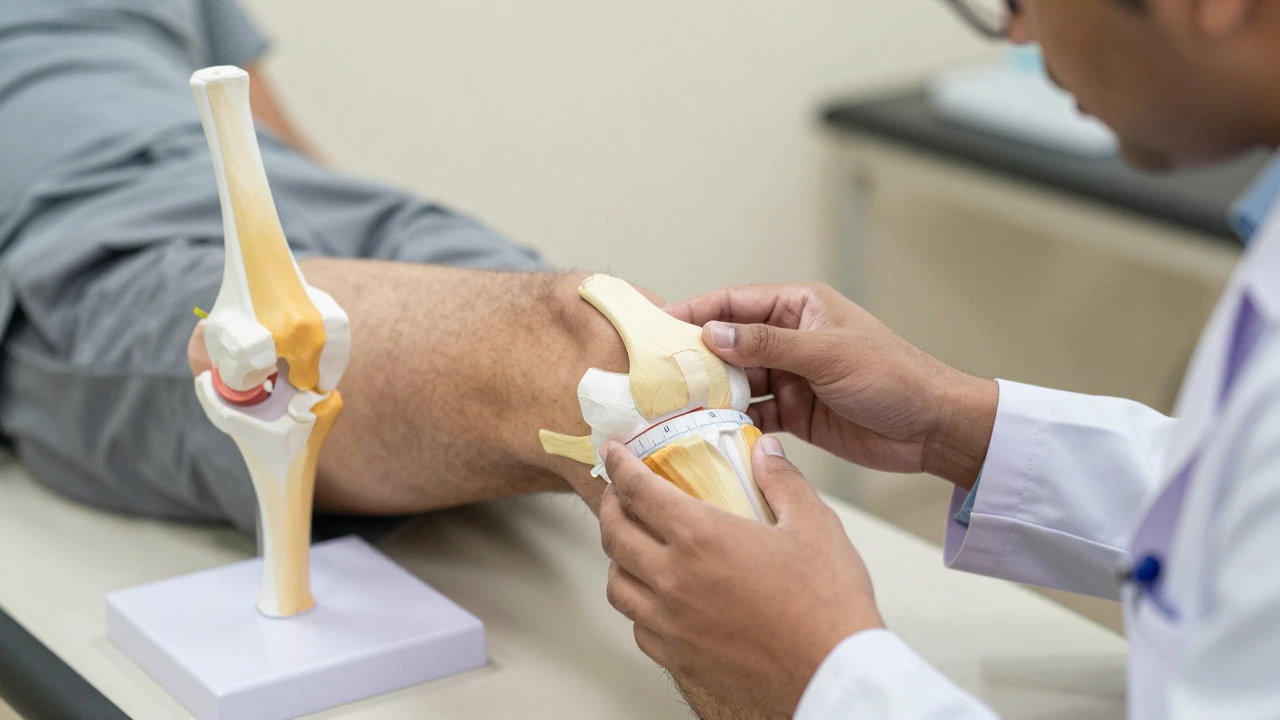
Diagnosis starts with a conversation. Your doctor will ask about your symptoms, medical history, activity level, and how the problem started. Then comes the physical exam-checking range of motion, strength, stability, and areas of tenderness.
If needed, imaging tests follow. X-rays show bone alignment and fractures. MRI scans reveal soft tissue damage-ligaments, tendons, cartilage. CT scans give detailed 3D views of complex fractures. Ultrasound helps assess dynamic issues like tendon movement during contraction. Blood tests may be ordered if infection or autoimmune disease is suspected.
In some cases, diagnostic injections (like numbing agents into a joint) help pinpoint the exact source of pain. This step-by-step approach ensures accurate diagnosis before jumping to treatment.
Common Treatments in Orthopedics
Orthopedic care isn’t one-size-fits-all. Treatment depends on the condition, severity, patient age, lifestyle, and goals. Most cases start conservatively:
- Rest and activity modification: Avoiding movements that worsen pain.
- Ice, heat, compression, elevation (RICE): For acute injuries.
- Medications: NSAIDs for pain/inflammation, muscle relaxants, or corticosteroid injections.
- Physical therapy: Strengthening weak muscles, improving flexibility, correcting biomechanics.
- Bracing or orthotics: Supporting unstable joints or aligning feet/knees properly.
When conservative methods fail, surgery may be recommended. Modern orthopedic surgery is highly specialized:
- Arthroscopy: Minimally invasive camera-guided surgery for knees, shoulders, hips.
- Joint replacement: Hip, knee, shoulder replacements using metal, plastic, or ceramic implants.
- Fracture fixation: Plates, screws, rods, or pins to stabilize broken bones.
- Spinal decompression/fusion: Relieving pressure on nerves or stabilizing vertebrae.
- Ligament reconstruction: Rebuilding torn ACLs, rotator cuffs, or other critical structures.
Recovery varies widely-from weeks for minor arthroscopic procedures to months for major joint replacements. Rehabilitation is always part of the plan.
Subspecialties Within Orthopedics
Because the musculoskeletal system is so vast, many orthopedic doctors specialize further. Knowing which subspecialty fits your issue can speed up access to the right expert:
| Subspecialty | Focus Area | Common Conditions Treated |
|---|---|---|
| Shoulder & Elbow | Upper arm joints | Rotator cuff tears, frozen shoulder, tennis elbow |
| Knee Surgery | Lower limb joint | ACL/PCL tears, meniscus injuries, patellar tracking |
| Hip Preservation & Replacement | Hip joint | Osteoarthritis, labral tears, femoroacetabular impingement |
| Foot & Ankle | Lower extremity distal segments | Plantar fasciitis, bunions, ankle sprains, flat feet |
| Spine Surgery | Back and neck | Herniated discs, spinal stenosis, scoliosis, spondylolisthesis |
| Sports Medicine | Athletic injuries | Concussions (musculoskeletal aspect), overuse syndromes, performance optimization |
| Pediatric Orthopedics | Children and teens | Growth plate fractures, clubfoot, cerebral palsy-related deformities |
| Hand & Wrist | Hands, wrists, forearms | Carpal tunnel, trigger finger, Dupuytren’s contracture, fractures |
| Orthopedic Oncology | Bone and soft tissue tumors | Osteosarcoma, Ewing sarcoma, benign cysts, metastatic bone disease |
| Trauma & Fracture Care | Acute injuries | Complex fractures, polytrauma, open wounds, non-unions |
Choosing the right specialist matters. A foot problem won’t get optimal care from a spine surgeon. Use hospital directories or primary care referrals to find the correct match.
Prevention: How to Protect Your Musculoskeletal System
Orthopedics isn’t just reactive-it’s preventive too. You can drastically reduce your risk of chronic pain and injury by adopting smart habits:
- Strengthen core and supporting muscles: Weak cores lead to back pain. Strong quads protect knees.
- Maintain healthy weight: Every extra pound puts 4x pressure on knees during walking.
- Use proper form during exercise: Squatting with rounded backs invites disc herniation.
- Wear supportive footwear: Especially if standing all day or running regularly.
- Stretch before and after workouts: Prevents muscle tightness and tendon strain.
- Correct ergonomic setups: Monitor height, chair support, keyboard position-all affect posture and joint stress.
- Get enough calcium and vitamin D: Critical for bone density, especially post-menopause or in older adults.
Small changes add up. Start today-even five minutes of stretching or switching to a standing desk can make a difference.
When to Go to an Orthopedic Hospital vs. Clinic
Most routine consultations happen in outpatient clinics. But certain situations require hospital-level care:
- Emergency fractures or dislocations: Need immediate stabilization and possible surgery.
- Complex multi-bone injuries: Require coordinated teams and advanced imaging.
- Major joint replacements or spinal fusions: Done in operating rooms with anesthesia and post-op monitoring.
- Infections requiring IV antibiotics or debridement: Such as septic arthritis or osteomyelitis.
- Cancer biopsies or tumor removals: Need specialized oncology-orthopedic collaboration.
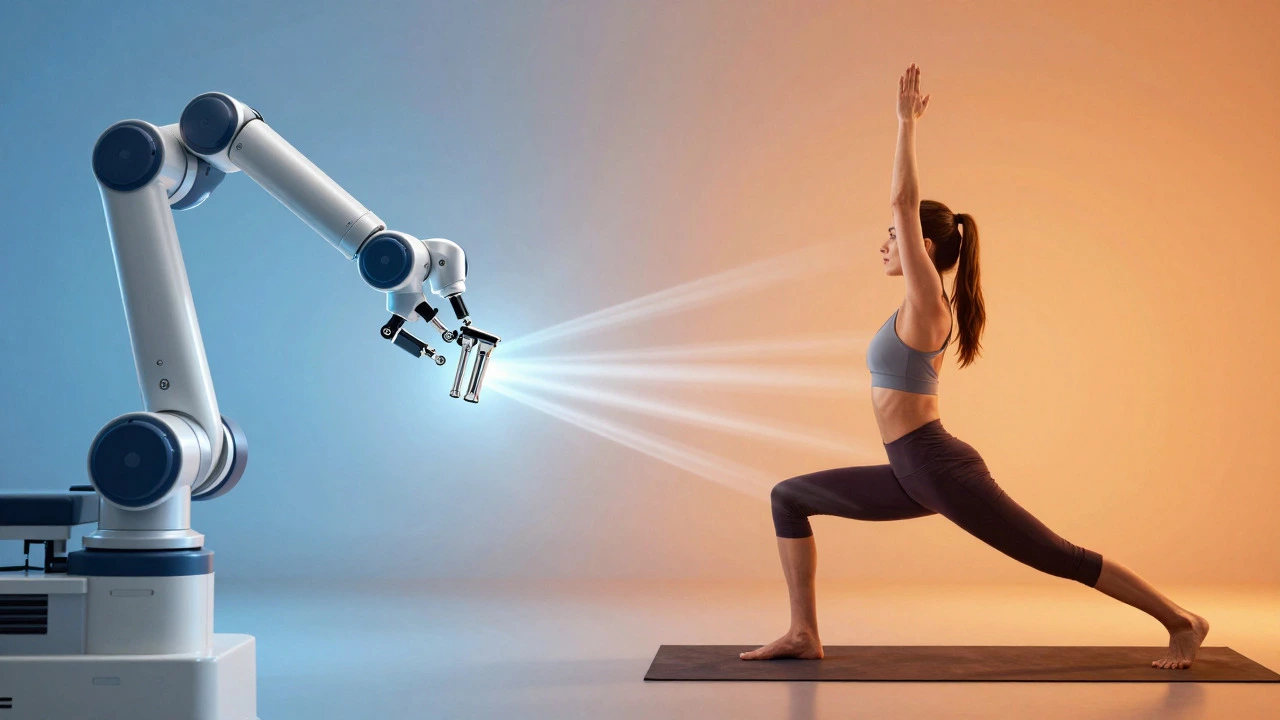
Know your local options. In London, hospitals like The Royal National Orthopaedic Hospital (RNOH) in Stanmore offer comprehensive services-from emergency trauma units to robotic-assisted joint replacements. Private clinics provide faster appointments but may lack full surgical facilities.
Future Trends in Orthopedic Care
The field is evolving fast. By 2026, several innovations are reshaping treatment:
- Robotic-assisted surgery: Improves precision in joint replacements and spinal alignments.
- Biologics and stem cell therapies: Aim to regenerate cartilage and heal tendons without surgery.
- 3D-printed implants: Custom-fit prosthetics based on individual anatomy.
- AI-driven diagnostics: Algorithms analyze X-rays/MRIs to detect early arthritis or microfractures.
- Tele-rehabilitation: Remote physical therapy sessions via apps and wearable sensors.
These advances mean shorter recoveries, less pain, and longer-lasting results. Stay informed-your next visit might involve technology you didn’t know existed.
Frequently Asked Questions
Do orthopedists only treat broken bones?
No. While fracture care is part of their job, orthopedists treat a wide range of conditions including arthritis, sports injuries, back pain, nerve compressions, and congenital deformities. Their focus is the entire musculoskeletal system.
Should I go to my GP first or straight to an orthopedist?
Start with your GP unless you have a severe injury (like a visible deformity or inability to bear weight). GPs can rule out non-musculoskeletal causes and refer you appropriately. Some private systems allow direct booking with orthopedists.
How long does recovery take after orthopedic surgery?
It varies greatly. Minor arthroscopic procedures may need 2-6 weeks. Joint replacements typically require 3-6 months for full functional recovery. Spinal surgeries can take 6-12 months. Physical therapy is essential throughout.
Can orthopedics help with chronic back pain?
Yes. Orthopedic spine specialists diagnose causes like herniated discs, spinal stenosis, or degenerative disc disease. Treatment ranges from epidural injections and physical therapy to minimally invasive decompression or fusion surgery.
Are orthopedic treatments covered by insurance?
Coverage depends on your plan and location. In the UK, NHS covers most necessary orthopedic care, though wait times vary. Private insurance usually covers elective procedures and faster access. Always check pre-authorization requirements.
What’s the difference between orthopedics and rheumatology?
Orthopedics focuses on structural and mechanical issues-often treated surgically. Rheumatology deals with autoimmune and inflammatory diseases affecting joints and muscles-treated medically. They often collaborate, especially in arthritis cases.
Can children see orthopedic specialists?
Absolutely. Pediatric orthopedists specialize in growth-related issues like scoliosis, clubfoot, slipped capital femoral epiphysis, and childhood fractures. Early intervention prevents lifelong complications.
Is physical therapy always required after orthopedic treatment?
In most cases, yes. PT restores strength, mobility, and coordination. Skipping it increases re-injury risk and slows healing. Even non-surgical patients benefit from guided rehabilitation programs.
Next Steps & Troubleshooting
If you’re dealing with ongoing musculoskeletal pain, here’s what to do next:
- Document your symptoms: Note when pain started, what triggers it, and how it affects daily life. Bring this to your appointment.
- Ask for imaging if unsure: Don’t accept vague diagnoses without evidence. Request X-ray or MRI if pain persists beyond two weeks.
- Seek second opinions for major decisions: Especially before agreeing to surgery. Another perspective can confirm or challenge the proposed plan.
- Follow rehab instructions exactly: Cutting corners leads to setbacks. Consistency beats intensity in recovery.
- Update your prevention strategy: After treatment, adopt new habits to avoid recurrence. Work with physiotherapists to build sustainable routines.
Remember: orthopedics isn’t just about fixing what’s broken. It’s about helping you move freely, live actively, and age gracefully. Whether you’re recovering from an injury or managing chronic pain, the right specialist can change your trajectory. Don’t ignore persistent discomfort-take action now.