Cancer Pain Management Estimator
Analysis Results
Pain Mechanism:
-
Severity Classification:
-Visualized Intensity:
Recommended Management Strategy
-
Specific Interventions:
Note: This tool provides educational information based on general medical guidelines (WHO Pain Ladder). It is not a substitute for professional medical advice. Always consult your healthcare provider for personalized treatment plans.
There is no single answer to which cancer is the most painful. Pain in cancer is not a fixed property of the disease itself but a complex result of where the tumor grows, how it interacts with nerves and bones, and the side effects of treatment. However, clinical data and patient reports consistently highlight specific types that are notoriously difficult to manage due to their location and biological behavior.
If you are asking this question because you or a loved one is facing a diagnosis, understanding the mechanics of cancer pain can help you advocate for better care. This article breaks down which cancers cause the most severe pain, why it happens, and what modern medicine does to control it.
The Anatomy of Cancer Pain
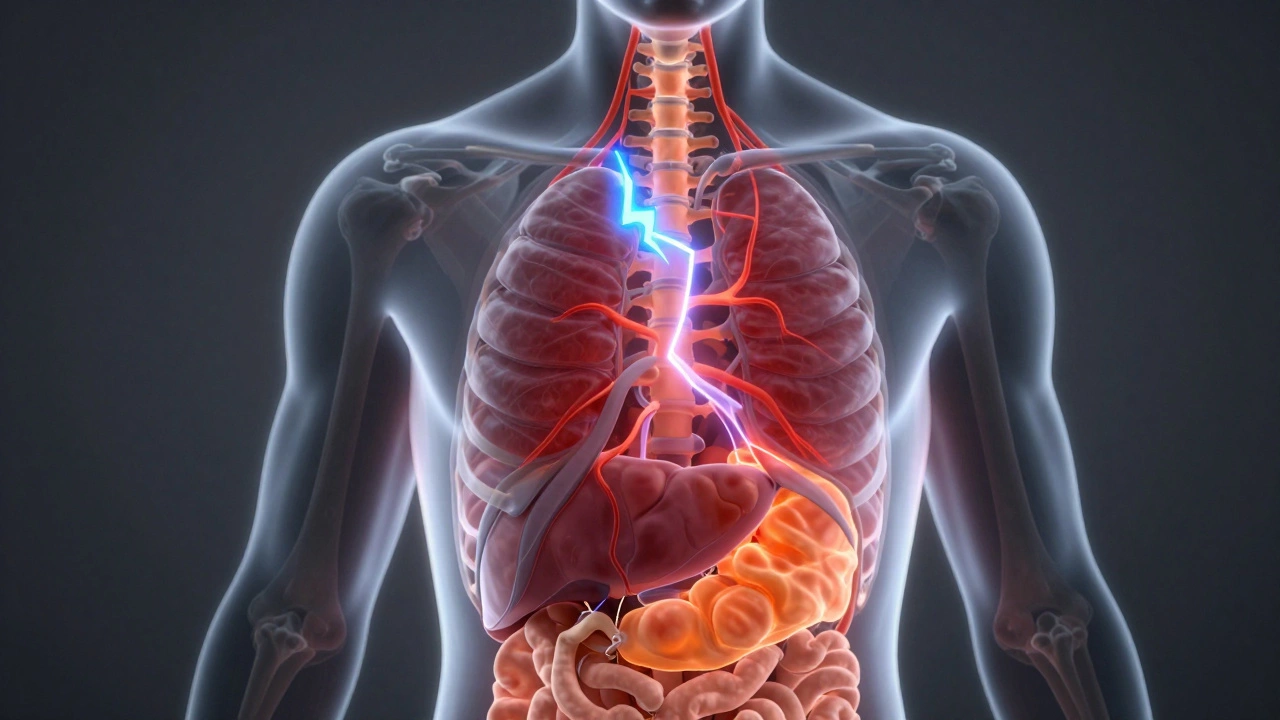
To understand why some cancers hurt more than others, we need to look at what actually causes the pain. It is rarely just the tumor growing. There are three main mechanisms:
- Nerve Compression: When a tumor presses on a nerve root or spinal cord, it sends sharp, shooting signals to the brain. This is often described as electric shock-like pain.
- Bone Destruction: Cancers that spread to the bone (metastasis) destroy healthy bone tissue. Bones are rich in nerve endings, so this creates a deep, throbbing ache that worsens with movement.
- Inflammation and Blockage: Tumors can block organs like the intestines or bile ducts, causing pressure, swelling, and visceral pain that feels like cramping or bloating.
The severity of pain also depends on the individual’s pain threshold and psychological state. Anxiety and depression can amplify pain signals, making the experience feel more intense. This is why pain management is always holistic, addressing both the physical and emotional aspects.
Cancers Known for Severe Pain
While any cancer can become painful if left untreated, certain types are associated with higher levels of acute and chronic pain due to their typical progression patterns.
| Cancer Type | Primary Pain Cause | Pain Description |
|---|---|---|
| Bone Cancer | Tumor growth within bone marrow and cortex | Deep, constant ache; worse at night or with activity |
| Pancreatic Cancer | Invasion of the celiac plexus (nerve bundle) | Severe upper abdominal pain radiating to the back |
| Head and Neck Cancer | Damage to facial nerves and throat tissues | Burning, stabbing pain in mouth, throat, or face |
| Prostate Cancer (Advanced) | Metastasis to spine and pelvic bones | Lower back pain, leg weakness, urinary discomfort |
Bone Cancer: The Deep Ache
Osteosarcoma and Ewing sarcoma, the primary types of primary bone cancer, are extremely painful. The tumor expands inside the rigid structure of the bone, increasing internal pressure. This pressure stimulates pain receptors in the periosteum (the outer layer of the bone), which is highly sensitive.
Patients often describe the pain as starting intermittently and becoming constant. It frequently worsens at night when distractions are minimal. If the tumor weakens the bone enough to cause a pathological fracture, the pain becomes acute and debilitating. Secondary bone cancer, where cancer spreads from breast, lung, or prostate to the bones, is even more common and follows a similar painful pattern.
Pancreatic Cancer: The Silent Invader
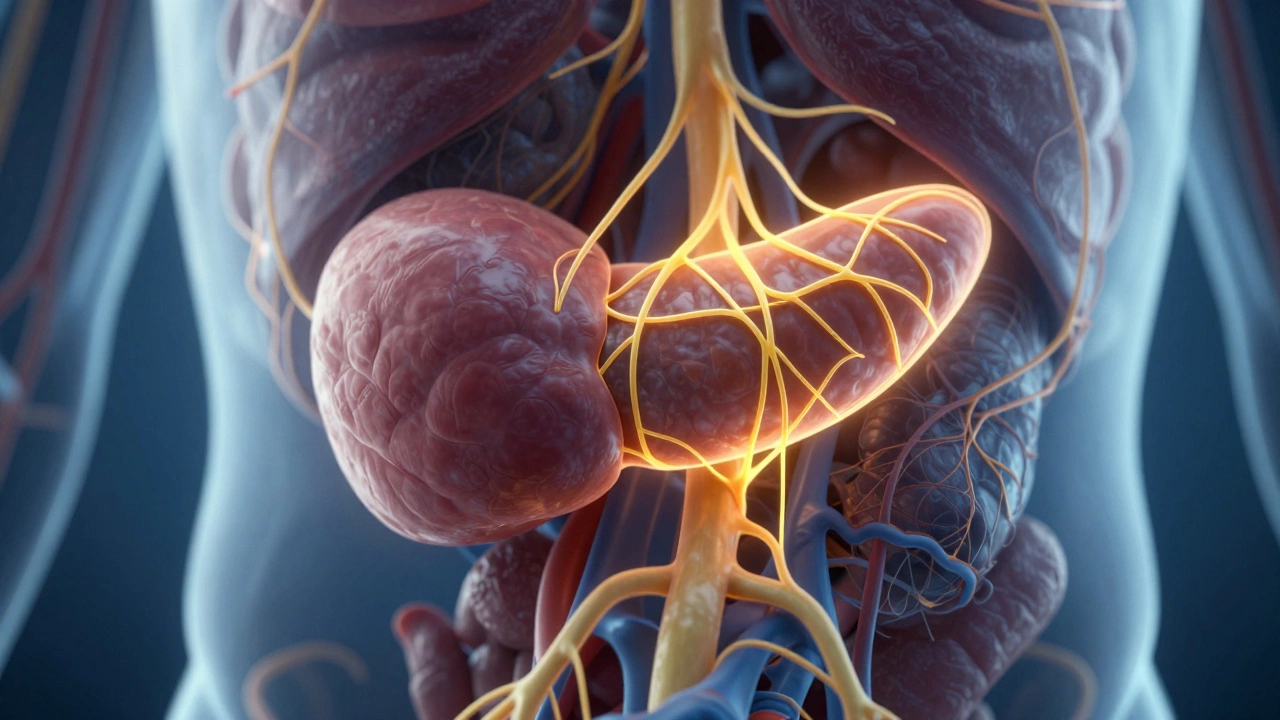
Pancreatic adenocarcinoma is often cited as one of the most painful cancers because of its location. The pancreas sits deep in the abdomen, surrounded by major blood vessels and the celiac plexus, a network of nerves that controls pain sensation in the upper digestive tract.
As the tumor grows, it invades these nerves. This causes severe, persistent pain in the upper abdomen that often wraps around to the back. Because the pancreas is hidden behind other organs, the cancer can grow significantly before causing obvious symptoms. By the time pain is reported, the disease is often advanced. This nerve involvement makes standard painkillers less effective, requiring specialized interventions like nerve blocks.
Head and Neck Cancers: Nerve-Rich Territory
Cancers of the mouth, throat, larynx, and salivary glands affect an area densely packed with sensory nerves. Squamous cell carcinoma of the head and neck can cause burning, stabbing, or throbbing pain. The pain is exacerbated by eating, speaking, or swallowing.
Furthermore, treatments for these cancers, such as radiation therapy, can cause mucositis (severe inflammation and ulceration of the mouth lining). This adds a layer of acute pain on top of the cancer-related pain, making daily functions like drinking water agonizing. The combination of tumor invasion and treatment side effects creates a high burden of pain.
Brain Tumors: Pressure and Sensitivity
The brain tissue itself does not have pain receptors. However, the structures surrounding the brain-the meninges, blood vessels, and skull-do. Glioblastoma and other malignant brain tumors cause pain by pressing against these sensitive structures or by causing swelling (edema) that increases intracranial pressure.
This results in severe headaches that are often worse in the morning or after lying down. The pain may be accompanied by nausea, vomiting, and vision changes. While the pain is significant, it is often manageable with corticosteroids to reduce swelling and targeted pain medication.
Why Some Cancers Hurt More Than Others
The intensity of pain is not random. It correlates with specific biological factors:
- Vascularity: Organs with rich blood supplies, like the liver, can stretch rapidly when a tumor grows, causing distension pain. Liver metastases often cause a dull, heavy pain in the right upper quadrant.
- Innervation: Areas with high nerve density, such as the fingertips, face, and perineum, will produce sharper, more localized pain when invaded by cancer cells.
- Inflammatory Mediators: Tumors release chemicals like prostaglandins and cytokines that sensitize nerve endings, lowering the threshold for pain. This means stimuli that wouldn’t normally hurt become painful.
Managing Severe Cancer Pain
Modern oncology has moved away from the idea that patients must "tough out" cancer pain. Effective pain management is a critical part of cancer care and improves quality of life, allowing patients to continue treatments and maintain dignity.
The WHO Pain Ladder
The World Health Organization recommends a stepwise approach to pain relief:
- Step 1: Non-opioids. For mild pain, drugs like acetaminophen or ibuprofen are used.
- Step 2: Weak opioids. For moderate pain, medications like codeine or tramadol are added.
- Step 3: Strong opioids. For severe pain, morphine, oxycodone, or fentanyl are prescribed. These are highly effective when dosed correctly.
Adjuvant medications, such as antidepressants or anticonvulsants, are often added to treat nerve-specific pain (neuropathic pain) that opioids alone cannot fully control.
Interventional Procedures
When medication is insufficient or causes too many side effects, interventional techniques can provide relief:
- Nerve Blocks: Injecting anesthetic or neurolytic agents near specific nerves. For pancreatic cancer, a celiac plexus block can significantly reduce back pain.
- Radiation Therapy: Targeted radiation can shrink tumors pressing on nerves or bones, reducing pain within days or weeks.
- Spinal Cord Stimulation: Implants that send electrical impulses to interfere with pain signals traveling to the brain.
Psychological Support
Pain is subjective. Cognitive behavioral therapy (CBT), mindfulness, and relaxation techniques can help patients cope with the emotional distress of pain. Reducing anxiety can lower the perception of pain intensity, creating a positive feedback loop.

When to Seek Immediate Help
If you are experiencing new or worsening pain during cancer treatment, do not ignore it. Contact your healthcare provider immediately if:
- Pain suddenly becomes severe or changes in character.
- You experience loss of bladder or bowel control, which could indicate spinal cord compression.
- Pain medication stops working or causes intolerable side effects.
- You have signs of infection, such as fever, along with pain.
Your medical team can adjust your treatment plan, change medications, or refer you to a palliative care specialist. Palliative care is not just for end-of-life; it is specialized medical care focused on relieving symptoms and stress at any stage of illness.
Conclusion
While bone, pancreatic, and head and neck cancers are often reported as the most painful due to their impact on nerves and bones, pain is highly individual. No one should suffer in silence. With advances in pharmacology and interventional procedures, even the most severe cancer pain can be managed effectively. Open communication with your healthcare team is the first step toward relief.
Is bone cancer always painful?
Most cases of bone cancer cause pain, especially at night or during activity. However, early-stage tumors may cause only mild discomfort that is easily mistaken for sports injuries. Persistent, unexplained bone pain should always be evaluated by a doctor.
Can pancreatic cancer pain be cured?
While the underlying cancer may not be curable in advanced stages, the pain can be effectively managed. Techniques like celiac plexus blocks, combined with opioid and non-opioid medications, can significantly reduce or eliminate pain for many patients.
What is the strongest painkiller for cancer?
Morphine, oxycodone, hydromorphone, and fentanyl are considered strong opioids and are the gold standard for severe cancer pain. The "strongest" drug varies by individual response and tolerance. Doctors tailor the dosage and type of opioid to each patient’s needs.
Does chemotherapy cause more pain than cancer?
Chemotherapy can cause side effects like neuropathy (nerve pain) or mouth sores, which add to the pain burden. However, its primary goal is to shrink tumors and reduce cancer-related pain. In the long run, successful chemotherapy often leads to less overall pain.
How do doctors measure cancer pain?
Doctors typically use a numeric rating scale (0-10) where 0 is no pain and 10 is the worst possible pain. They also assess the impact of pain on sleep, mobility, and mood. Patient self-reporting is the most reliable method for measuring pain intensity.