Daily Herb Comparison Tool
Turmeric
Ashwagandha
Ginger
Garlic
People ask this question all the time: What is the best herb to take daily? There’s no single answer that fits everyone. But if you’re looking for something safe, backed by science, and useful for most people, turmeric stands out - especially when taken with black pepper to boost absorption.
Turmeric: The Most Studied Daily Herb
Turmeric isn’t just a spice for curry. Its active compound, curcumin, has been studied in over 12,000 scientific papers. Research shows it reduces inflammation at the cellular level - something most chronic diseases, from arthritis to heart trouble, have in common.
One 2021 review in the Journal of Medicinal Food found that taking 500 mg of curcumin daily for 8 weeks lowered markers of inflammation by 30-40% in adults with mild joint pain. That’s comparable to some over-the-counter painkillers, but without the stomach irritation.
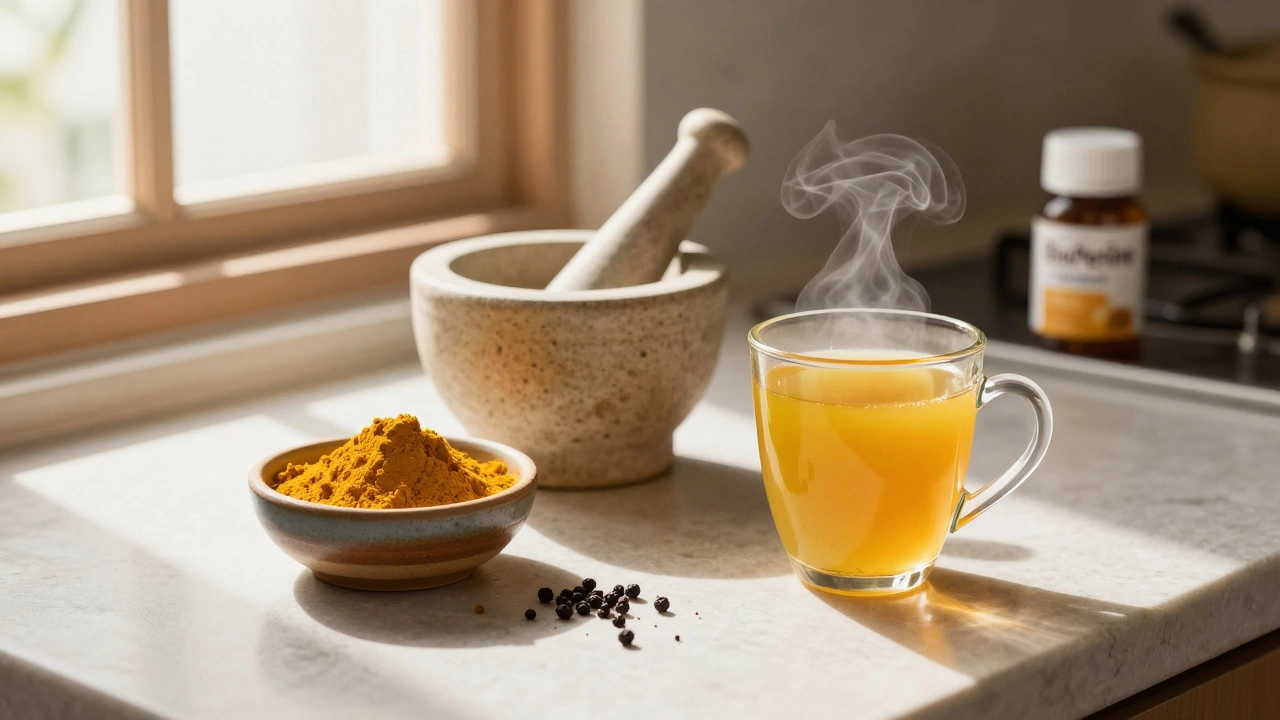
Most turmeric supplements contain 95% curcuminoids and include piperine (from black pepper) to increase absorption by up to 2,000%. Without it, your body barely absorbs anything. Look for supplements labeled with “BioPerine” or “piperine” on the label.
Ashwagandha: For Stress and Sleep
If your main issue is feeling wired but tired, ashwagandha might be your best daily herb. It’s an adaptogen - meaning it helps your body handle stress better.
A 2019 double-blind study in the Indian Journal of Psychological Medicine gave 60 adults either 240 mg of ashwagandha extract or a placebo daily for 60 days. Those taking the herb reported a 69% drop in stress symptoms and improved sleep quality. Cortisol levels - your main stress hormone - fell by an average of 28%.
It’s not a quick fix. You need at least 4-6 weeks of daily use to feel the effects. Take it in the morning or early afternoon, since some people feel slightly energized. Avoid it if you’re pregnant or have an overactive thyroid.
Ginger: The Digestive Helper
Ginger isn’t just for nausea. A daily dose of 1-2 grams of powdered ginger (about ½ to 1 teaspoon) helps with bloating, slow digestion, and even occasional stomach cramps.
A 2020 meta-analysis in the Journal of Clinical Gastroenterology found that ginger improved gastric emptying in people with functional dyspepsia. That means food moves through your stomach faster, reducing that heavy, full feeling after meals.
It also has mild anti-inflammatory effects. People with osteoarthritis who took 500 mg of ginger extract daily for 3 months reported less pain than those taking a placebo. You can take it as a capsule, tea, or even chew a small piece of fresh ginger root in the morning.

Garlic: The Immune Supporter
Garlic has been used for thousands of years as medicine. Modern science confirms why. Allicin - the compound that gives garlic its smell - has antimicrobial and immune-boosting properties.
A 2023 study in Advances in Therapy followed 146 healthy adults who took a daily garlic supplement (1 capsule = 1.8 mg allicin) for 90 days. Those taking garlic had 21% fewer colds and recovered 2 days faster when they did get sick.
Raw garlic is strongest, but it’s hard to take daily. Odorless aged garlic extract is a good alternative. It’s gentler on the stomach and still delivers benefits. Take it with food to avoid heartburn.
What About Other Herbs?
Many herbs get hype - echinacea, elderberry, ginseng, milk thistle. But they’re not ideal for daily use.
- Echinacea works best at the first sign of a cold - not daily. Long-term use may weaken immune response.
- Elderberry is great for short-term immune support during flu season, but can cause digestive upset if taken every day.
- Ginseng is stimulating. Taking it daily can lead to insomnia or high blood pressure in sensitive people.
- Milk thistle supports the liver, but only makes sense if you’re on medications or drink alcohol regularly.
These herbs are situational. They’re not meant to be part of your daily routine like salt or water.
How to Take Herbs Daily - Safely
Just because something’s natural doesn’t mean it’s harmless. Here’s how to do it right:
- Start low. Take half the recommended dose for the first week to see how your body reacts.
- Take with food. Most herbs are better absorbed and gentler on the stomach when taken with a meal.
- Check for interactions. Turmeric and garlic can thin the blood. Avoid them before surgery or if you’re on blood thinners like warfarin.
- Don’t mix too many. Taking 5 different herbs daily increases the chance of side effects. Stick to one or two.
- Buy quality. Look for third-party tested brands (USP, NSF, or ConsumerLab certified). Many supplements don’t contain what’s on the label.
Who Should Avoid Daily Herbs?
Not everyone should take herbs daily:
- Pregnant or breastfeeding women - many herbs affect hormones or uterine contractions.
- People on blood thinners, diabetes meds, or thyroid drugs - herbs can interfere with dosage.
- Those with autoimmune diseases - ashwagandha and echinacea may overstimulate the immune system.
- Children under 12 - limited safety data exists.
If you’re on prescription medication, talk to your doctor before starting any herb. Even natural things can interact.
What’s the Real Winner?
There’s no magic herb. But if you had to pick one for daily use based on safety, evidence, and broad benefits - it’s turmeric.
It reduces inflammation, supports joint health, may help brain function, and has no serious side effects when taken properly. Add ashwagandha if stress or sleep is a problem. Throw in ginger if digestion is sluggish. Garlic for immunity.
The goal isn’t to find the “best” herb. It’s to find the right one for your body - and take it consistently, safely, and smartly.
Can I take turmeric and ashwagandha together daily?
Yes, you can take turmeric and ashwagandha together daily. They work on different systems - turmeric reduces inflammation, while ashwagandha manages stress. Many supplements even combine them. Just make sure each contains piperine (for turmeric) and is from a reputable brand. Start with lower doses to check tolerance.
How long does it take to see results from daily herbs?
Most herbs need 4-8 weeks of daily use before you notice changes. Turmeric for joint pain, ashwagandha for stress, and ginger for digestion typically show results around the 6-week mark. Don’t expect overnight fixes - herbs work gradually, like nutrition.
Is it better to take herbs as tea or capsules?
Capsules are more reliable for daily use. Tea varies in strength depending on how long you steep it. A teaspoon of powdered turmeric in tea might only give you 100-200 mg of curcumin - far below the 500 mg used in studies. Capsules ensure you get a consistent, effective dose every day.
Can I get the same benefits from eating spices instead of taking supplements?
You can, but it’s hard. To get 500 mg of curcumin from turmeric powder, you’d need to eat about 2 tablespoons daily - which is too much for most people’s stomachs. Same with garlic - you’d need 3-4 raw cloves a day to match supplement doses. Supplements make it practical and consistent.
Do I need to take breaks from daily herbs?
For turmeric, ginger, and garlic - no, you don’t need breaks. They’re safe for long-term use. Ashwagandha is the exception. Some experts recommend taking a 1-2 week break every 3 months to prevent your body from adapting. Listen to your body: if you feel jittery or overly calm, it might be time to pause.