Weight Loss Medication Estimator
Your Parameters
Projected Results
Calculating...Semaglutide
~15% Avg Loss*
Tirzepatide
~20-22% Avg Loss*
Estimated Total Cost:
- Semaglutide: £0
- Tirzepatide: £0
Important Context
These estimates are based on maximum efficacy observed in clinical trials over 68-72 weeks. Real-world results vary significantly based on diet, exercise, and individual metabolism. Costs shown are approximate private clinic rates in the UK (£). Insurance coverage varies. Consult a healthcare provider before starting any medication.
There is no single "magic bullet" that works for everyone, but if you are looking for the most effective medication currently available, the answer lies in a class of drugs known as GLP-1 receptor agonists. Specifically, medications containing semaglutide (brand names Wegovy and Ozempic) and tirzepatide (brand name Mounjaro/Zepbound) have emerged as the gold standard in clinical trials. These aren't just supplements; they are prescription medications that fundamentally change how your brain talks to your stomach.
If you walked into a weight loss clinic in London or New York today, these would be the primary options discussed. However, calling one the absolute "#1" requires nuance. For some patients, tirzepatide shows slightly higher average weight loss percentages. For others, semaglutide offers a better side-effect profile. The "best" pill is the one you can stick with long-term while managing your health conditions.
The Science Behind the Hype: How GLP-1s Work
To understand why these pills dominate the conversation, you need to look at the biology. Semaglutide mimics a hormone called glucagon-like peptide-1 (GLP-1). This hormone is naturally produced in your gut after you eat. Its job is to tell your pancreas to release insulin and, crucially, to signal your brain's appetite center that you are full.
When you take a synthetic version of this hormone, two things happen:
- Appetite Suppression: You feel satisfied much faster. That second helping of pasta suddenly feels unappealing because your brain thinks you've already eaten a large meal.
- Gastric Emptying Delay: Food stays in your stomach longer. This physical sensation of fullness lasts for hours, not minutes.
This isn't about willpower. It's about chemistry. Before these drugs, people relied on stimulants that increased heart rate or older agents like Orlistat, which simply blocked fat absorption (leading to uncomfortable digestive issues). GLP-1s target the root cause of overeating for many people: dysregulated hunger signals.
Semaglutide vs. Tirzepatide: The Top Contenders
In 2026, the debate is largely between two heavyweights. Both are injectable medications taken once weekly, though oral versions of semaglutide exist. Here is how they stack up against each other based on recent clinical data.
| Feature | Semaglutide (Wegovy) | Tirzepatide (Zepbound) |
|---|---|---|
| Mechanism | GLP-1 Receptor Agonist | GLP-1 & GIP Receptor Agonist |
| Avg. Weight Loss* | ~15% of body weight | ~20-22% of body weight |
| Side Effects | Nausea, constipation, diarrhea | Nausea, vomiting, abdominal pain |
| Dosing Frequency | Once weekly injection | Once weekly injection |
| Cost (UK Approx.) | £700-£900 per month (private) | £800-£1,000 per month (private) |
Tirzepatide targets two receptors: GLP-1 and GIP (glucose-dependent insulinotropic polypeptide). Think of it as a double-action approach. In head-to-head studies, patients on tirzepatide often lost more weight than those on semaglutide. However, the side effects can be more intense during the titration phase (when you increase the dose).
Semaglutide has been on the market longer, so doctors have more real-world experience managing its side effects. If you are new to GLP-1 therapy, semaglutide is often the starting point. If you plateau or need more aggressive results, clinicians might switch you to tirzepatide.
Why "Pills" Are Misleading: The Delivery Method
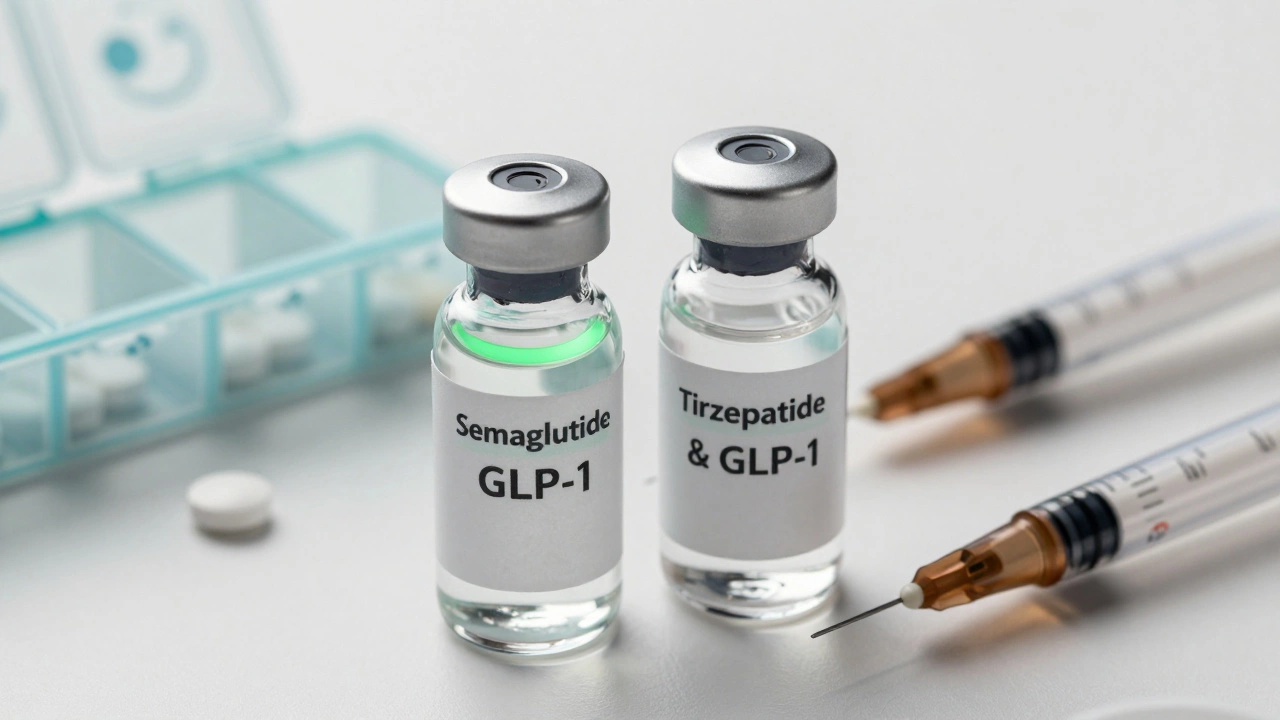
You asked about a "pill," but the most effective treatments are injections. Why? Because proteins like semaglutide get destroyed by stomach acid if swallowed whole. While an oral version of semaglutide exists (Rybelsus), it requires strict adherence: you must take it on an empty stomach with only a small sip of water, waiting 30 minutes before eating anything else. Even then, absorption is less consistent than the injection.
For true convenience and efficacy, the subcutaneous injection (under the skin) is preferred. It delivers a steady dose directly into the bloodstream. If you absolutely refuse needles, you are left with older, less effective options like Phentermine (a short-term stimulant) or Naltrexone/Bupropion (Contrave), which typically result in 5-8% weight loss-significantly lower than the 15%+ seen with GLP-1s.
The Role of Weight Loss Clinics in Safety
Buying these medications online without supervision is risky. Weight loss clinics provide critical oversight. Here is what they do that a pharmacy counter cannot:
- Eligibility Screening: Not everyone qualifies. Generally, you need a BMI of 30 or higher, or a BMI of 27 with a weight-related condition like hypertension or type 2 diabetes. Clinics verify this to ensure insurance coverage or justify private costs.
- Dose Titration: You never start at the maximum dose. Clinics guide you through a slow ramp-up (e.g., 0.25mg to 1.7mg for semaglutide) over several months. Jumping straight to high doses causes severe nausea and dehydration.
- Monitoring Complications: Rare but serious risks include pancreatitis, gallbladder issues, and gastroparesis (stomach paralysis). Regular blood tests and check-ups catch these early.
- Combination Therapy: Pills alone rarely sustain long-term weight loss. Clinics integrate dietary counseling, behavioral therapy, and sometimes bariatric surgery referrals if medication fails.
In the UK, NHS access to Wegovy is extremely limited due to cost constraints. Most patients accessing these drugs do so through private clinics. This creates a disparity where only those who can afford £800+ monthly access the "#1" treatment.
Common Side Effects: What Nobody Tells You
The marketing brochures list side effects, but patient forums reveal the reality. The most common complaint is gastrointestinal distress. "Ozempic face"-the gaunt look from rapid fat loss-is another concern for younger patients.
- Nausea: Affects up to 40% of users initially. Eating smaller, low-fat meals helps. Avoiding fried foods becomes non-negotiable.
- Constipation: Very common. Hydration and fiber supplements are essential. Some doctors prescribe laxatives proactively.
- Muscle Loss: Rapid weight loss includes muscle tissue. Without resistance training and adequate protein intake (1.2g per kg of body weight), you risk sarcopenia, which lowers your metabolism long-term.
- Brain Fog: Some patients report mental sluggishness, possibly linked to reduced caloric intake or electrolyte imbalances.
These side effects usually diminish after 3-6 months as your body adjusts. But if they persist, the medication may not be right for you. There is no shame in stopping. Weight management is highly individual.

Is the Weight Loss Permanent?
This is the hardest truth to accept. Obesity is a chronic disease, not a temporary state. When you stop taking semaglutide or tirzepatide, the hormonal drive for food returns. Most studies show that patients regain significant weight within 12 months of discontinuation.
Think of these medications like glasses for nearsightedness. As long as you wear them, you see clearly. Take them off, and your vision blurs again. Long-term success requires lifestyle changes that support the medication: strength training to preserve muscle, high-protein diets to maintain satiety, and sleep hygiene to regulate cortisol levels.
Some experts argue that lifelong treatment is necessary for sustained remission. Others suggest tapering off slowly while intensifying behavioral therapy. Your weight loss clinic provider should discuss this exit strategy upfront, not just the initial weight drop.
Alternatives to Consider
If GLP-1s are too expensive or cause intolerable side effects, consider these alternatives:
- Liraglutide (Saxenda): An earlier GLP-1 agonist requiring daily injections. Less potent than semaglutide but cheaper and widely available.
- BMI-Specific Surgery: Gastric sleeve or bypass surgery offers greater weight loss (~25-30%) but carries surgical risks. It’s often reserved for BMI >35 with comorbidities.
- Non-Drug Approaches: Intermittent fasting, ketogenic diets, and continuous glucose monitoring (CGM) can help some individuals achieve modest losses without pharmaceuticals.
Remember, the "#1" pill is useless if you don’t address the underlying habits that led to weight gain. Medication opens the door; you still have to walk through it.
Can I buy semaglutide over the counter?
No. Semaglutide (Wegovy/Ozempic) is a prescription-only medication in the UK, US, and most countries. Buying it without a prescription is illegal and dangerous, as counterfeit versions often contain incorrect dosages or harmful substances. Always consult a licensed healthcare provider.
Will my insurance cover weight loss pills?
Coverage varies significantly. In the UK, the NHS rarely covers Wegovy for pure weight loss due to cost-effectiveness criteria. Private insurance plans may cover it if you have obesity-related comorbidities like type 2 diabetes or hypertension. Check with your insurer and clinic for specific policy details.
How fast does weight loss happen with GLP-1s?
Most patients notice a reduction in appetite within the first week. Visible weight loss typically begins after 4-8 weeks. Clinical trials show an average of 15% body weight loss over 68 weeks for semaglutide. Results vary based on diet, exercise, and individual metabolism.
Are there natural supplements that work as well?
No. Over-the-counter supplements like green tea extract, Garcinia cambogia, or raspberry ketones lack robust clinical evidence showing significant weight loss comparable to prescription GLP-1s. They may offer minor metabolic boosts but cannot replicate the hormonal suppression of appetite provided by semaglutide or tirzepatide.
What happens if I miss a dose?
If you miss a dose by less than 4 days, take it as soon as you remember. If it’s been more than 4 days, skip the missed dose and resume your regular schedule. Do not double up doses to make up for a missed one, as this increases the risk of severe nausea and hypoglycemia.