Herbal Supplement Finder
What is your primary concern?
Select all that apply to get a personalized recommendation.
You walk into a pharmacy or browse an online store, and you are hit with hundreds of bottles. Gummies, capsules, powders, tinctures. It is overwhelming. You want to feel better, sleep deeper, or just keep your energy up, but you do not know where to start. The question "What are the 3 main supplements?" comes up often because people want simplicity. They want the essentials.
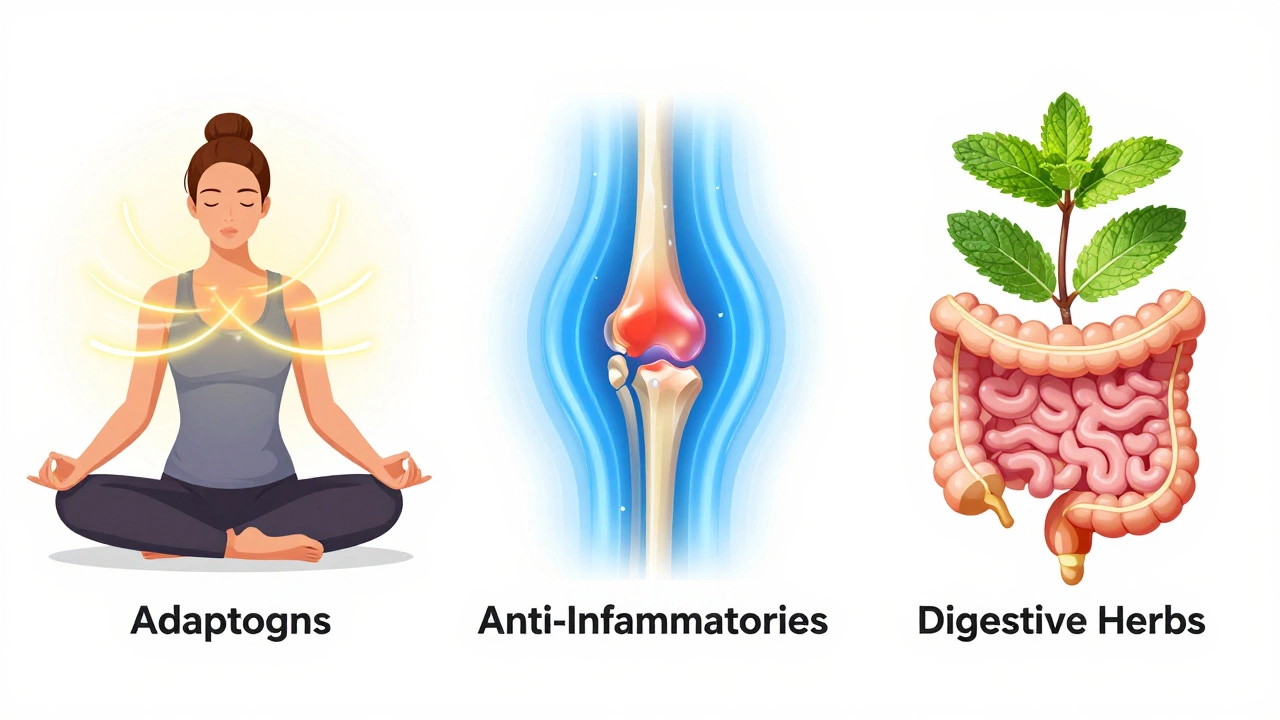
There is no single list that applies to every human being on Earth. Biology is messy. However, when we look at global usage, historical tradition, and clinical research, three categories of herbal supplements stand out as the most foundational. These are not magic pills. They are tools. Understanding these three pillars helps you build a routine that actually works instead of guessing in the dark.
The First Pillar: Adaptogens for Stress and Balance
If you had to pick one category that addresses the modern lifestyle crisis, it would be adaptogens. We live in a world of constant notifications, tight deadlines, and poor sleep. Our bodies are stuck in a low-grade fight-or-flight mode. Adaptogens are a class of herbs that help your body resist stressors of all kinds, whether physical, chemical, or biological.
Ashwagandha is a root native to India that has been used in Ayurvedic medicine for thousands of years. It is perhaps the most famous adaptogen today. Studies suggest it can lower cortisol levels, which is the primary stress hormone. When your cortisol is high, you hold onto belly fat, you wake up tired, and you feel anxious. Ashwagandha does not sedate you like a sleeping pill. Instead, it helps regulate your nervous system so you can handle pressure without burning out.
Another key player here is Rhodiola Rosea. This plant grows in cold mountain regions. Unlike Ashwagandha, which can be calming, Rhodiola is often used for mental clarity and fatigue. If you are a student pulling an all-nighter or a professional facing a big presentation, Rhodiola might help you stay sharp. It works by influencing neurotransmitters like dopamine and serotonin.
The rule of thumb for adaptogens is consistency. You do not take them for a quick fix. You take them daily for weeks to see the cumulative effect on your resilience. Think of it like training a muscle, but for your nervous system.
The Second Pillar: Anti-Inflammatories for Joint and Heart Health
Inflammation is the silent driver of many chronic issues. It is not just about swollen joints. Chronic inflammation is linked to heart disease, diabetes, and even cognitive decline. While diet plays the biggest role here, certain herbal supplements offer potent anti-inflammatory support that food alone sometimes cannot match.
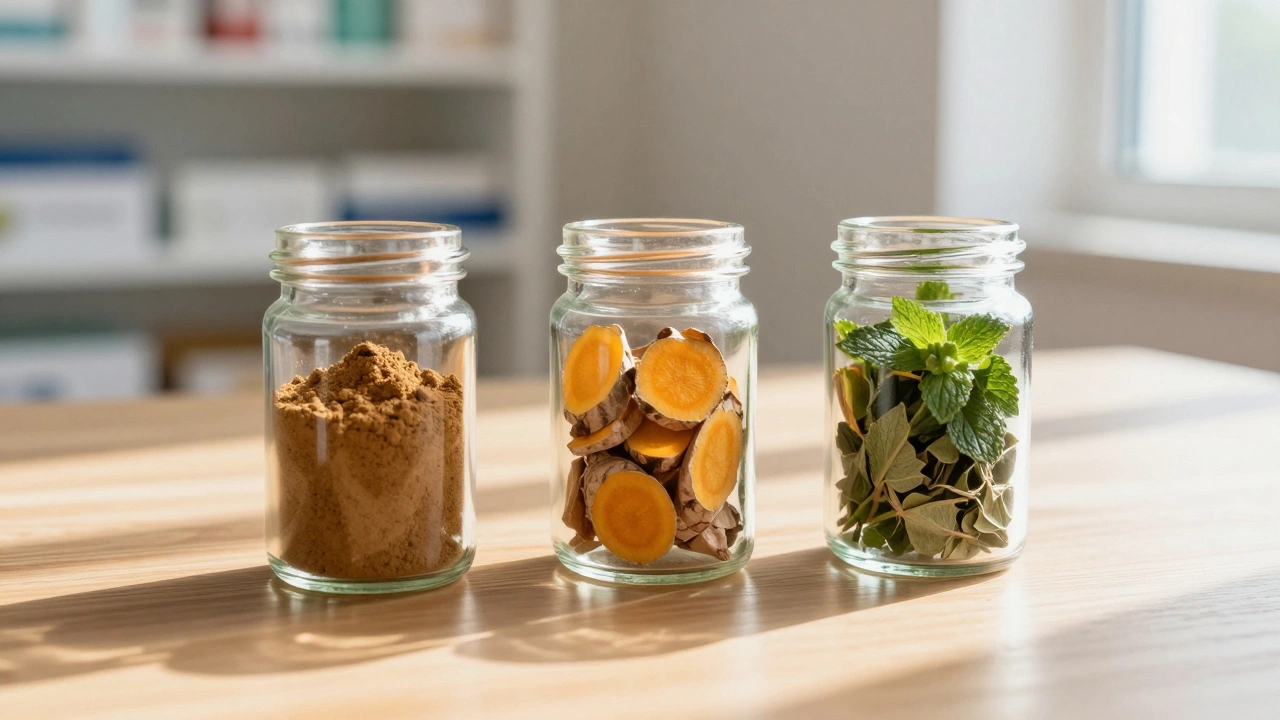
Turmeric, specifically its active compound curcumin, is a heavyweight in this category. Turmeric has been used in cooking and medicine for centuries. The problem with eating turmeric in curry is that curcumin is poorly absorbed by the body. Most effective supplements combine curcumin with black pepper extract (piperine), which can increase absorption by up to 2000%. This combination helps reduce markers of inflammation in the blood. For someone with knee pain from running or general stiffness, this can be a game-changer.
Then there is Ginger. We know ginger for nausea, but it is also a powerful anti-inflammatory agent. It contains gingerols, which have similar effects to non-steroidal anti-inflammatory drugs (NSAIDs) but with fewer side effects on the stomach lining. If you suffer from osteoarthritis, regular intake of ginger powder or extract has been shown to reduce pain and improve function.
When choosing an anti-inflammatory supplement, look for standardized extracts. Raw powder is fine, but if you are trying to treat a specific condition, you need a guaranteed amount of the active ingredient. Check the label for milligrams of curcuminoids or gingerols, not just the weight of the herb.
The Third Pillar: Digestive Herbs for Gut Health
Your gut is often called your second brain, and for good reason. It produces a significant portion of your serotonin and houses a large part of your immune system. If your digestion is off, everything else suffers. Bloating, irregularity, and nutrient malabsorption are common complaints. Herbal supplements can support the mechanical and chemical processes of digestion.
Peppermint is an herb derived from Mentha piperita that is widely used to soothe the digestive tract. Peppermint oil capsules are a well-researched treatment for Irritable Bowel Syndrome (IBS). The menthol in peppermint acts as a calcium channel blocker, which relaxes the smooth muscles of the intestines. This reduces spasms and cramping. If you eat a meal and immediately feel bloated or gassy, peppermint can provide relief within minutes.
Another essential is Fennel. Fennel seeds are commonly chewed after meals in many cultures around the world. They contain compounds that help expel gas and relax the gut. Fennel is particularly good for mild indigestion and colic in infants (though always consult a pediatrician for babies). It is gentle and safe for long-term use.
Digestive enzymes are often grouped here, but they are not herbs. However, herbs like Ginger and Turmeric also aid digestion by stimulating bile production. Bile helps break down fats. If you struggle with heavy, fatty meals, a pre-meal dose of ginger can prepare your liver and gallbladder to handle the load.
| Category | Primary Benefit | Key Examples | Best Time to Take |
|---|---|---|---|
| Adaptogens | Stress reduction, energy balance | Ashwagandha, Rhodiola | Morning or early afternoon |
| Anti-Inflammatories | Pain relief, joint health | Turmeric, Ginger | With meals (for absorption) |
| Digestive Herbs | Bloating relief, gut comfort | Peppermint, Fennel | Before or after meals |

How to Choose What You Actually Need
Knowing the three main categories is only half the battle. The other half is matching them to your specific life. Do not buy supplements based on what your friend is taking. Your biology is different from theirs.
Start by identifying your biggest complaint. Is it anxiety and burnout? Look at adaptogens. Is it joint pain or skin inflammation? Look at anti-inflammatories. Is it bloating and irregular digestion? Look at digestive herbs.
Quality matters more than brand name. Many supplements are unregulated. Look for third-party testing seals like USP, NSF, or ConsumerLab. These organizations verify that the product contains what it says on the label and is free from heavy metals and contaminants. A cheap bottle of ashwagandha might be filled with sawdust or under-dosed. Paying a little more for a verified product saves you money in the long run because you actually get the therapeutic dose.
Also, consider the form. Capsules are convenient and standardized. Tinctures (liquid extracts) absorb faster and allow for flexible dosing. Powders can be mixed into smoothies. Choose the format that fits your routine. If you hate swallowing pills, you will not take them consistently.
Safety and Interactions: What to Watch Out For
Natural does not mean harmless. Herbs contain potent chemicals that interact with your body and medications. This is why talking to a healthcare provider is crucial before starting any new regimen.
For example, St. John's Wort is a popular herbal supplement for mild depression. However, it interacts with dozens of medications, including birth control pills, blood thinners, and antidepressants. It can render these medications ineffective. Similarly, high doses of turmeric can act as a blood thinner. If you are taking warfarin or aspirin, adding a strong turmeric supplement could increase your risk of bleeding.
Pregnancy and breastfeeding require extra caution. Many herbs that are safe for adults can affect fetal development or pass into breast milk. Always check with your doctor. Just because an herb is sold in a health food store does not mean it has been tested for safety in pregnant women.
Start low and go slow. Introduce one supplement at a time. Wait two weeks before adding another. This way, if you have a reaction, you know exactly which product caused it. Track your symptoms. Keep a simple journal. Note changes in energy, sleep, mood, and digestion. Data beats guesswork every time.
Are herbal supplements regulated by the FDA?
No, herbal supplements are not regulated by the FDA in the same way drugs are. Manufacturers are responsible for ensuring their products are safe and that label claims are truthful, but they do not need FDA approval before marketing. This is why third-party testing seals are important.
Can I take all three types of supplements together?
Yes, many people do. For example, you might take Ashwagandha in the morning for stress, Turmeric with lunch for inflammation, and Peppermint after dinner for digestion. However, monitor how your body reacts and consult a doctor if you are on medication.
How long does it take for herbal supplements to work?
It varies. Digestive herbs like peppermint may work within minutes. Anti-inflammatories like turmeric may take a few weeks to show noticeable effects on joint pain. Adaptogens like Ashwagandha often require 4-8 weeks of consistent use to fully modulate stress responses.
Is it better to get nutrients from food or supplements?
Food is always the best source of nutrients because it provides fiber, phytonutrients, and co-factors that help absorption. Supplements are meant to fill gaps or provide concentrated doses for specific therapeutic effects, not replace a healthy diet.
What should I do if I experience side effects?
Stop taking the supplement immediately. Record the symptoms. Consult a healthcare provider. Common side effects include stomach upset, headaches, or allergic reactions. Reducing the dose may help, but discontinuation is the safest first step.