Beverage Glucose Impact Analyzer
Analyze Your Next Drink
--
Select a drink and click Calculate
Estimated Glucose Spike Potential
Walking out of a meal feeling heavy isn't just about digestion; it can signal a spike in Blood Sugar levels that your body struggles to manage. If you are managing diabetes or watching your glucose intake, swapping sugary sodas for specific beverages offers a tangible way to take control without relying solely on medication. There is a common misconception that every sip of liquid contributes to your carbohydrate load. While water remains the gold standard, certain plant-based liquids contain compounds that actively assist your metabolism in processing glucose more efficiently.
Quick Key Takeaways
- Unsweetened Green Tea improves insulin sensitivity over time due to catechins.
- Apple Cider Vinegar before meals blunts post-digestion spikes significantly.
- Coffee can help lower type 2 diabetes risk, provided no sugar is added.
- Avoid fruit juices; they strip away fiber that slows sugar absorption.
- Hydration is critical; dehydration concentrates glucose in the bloodstream.
The Foundation: Hydration and Glucose Dilution
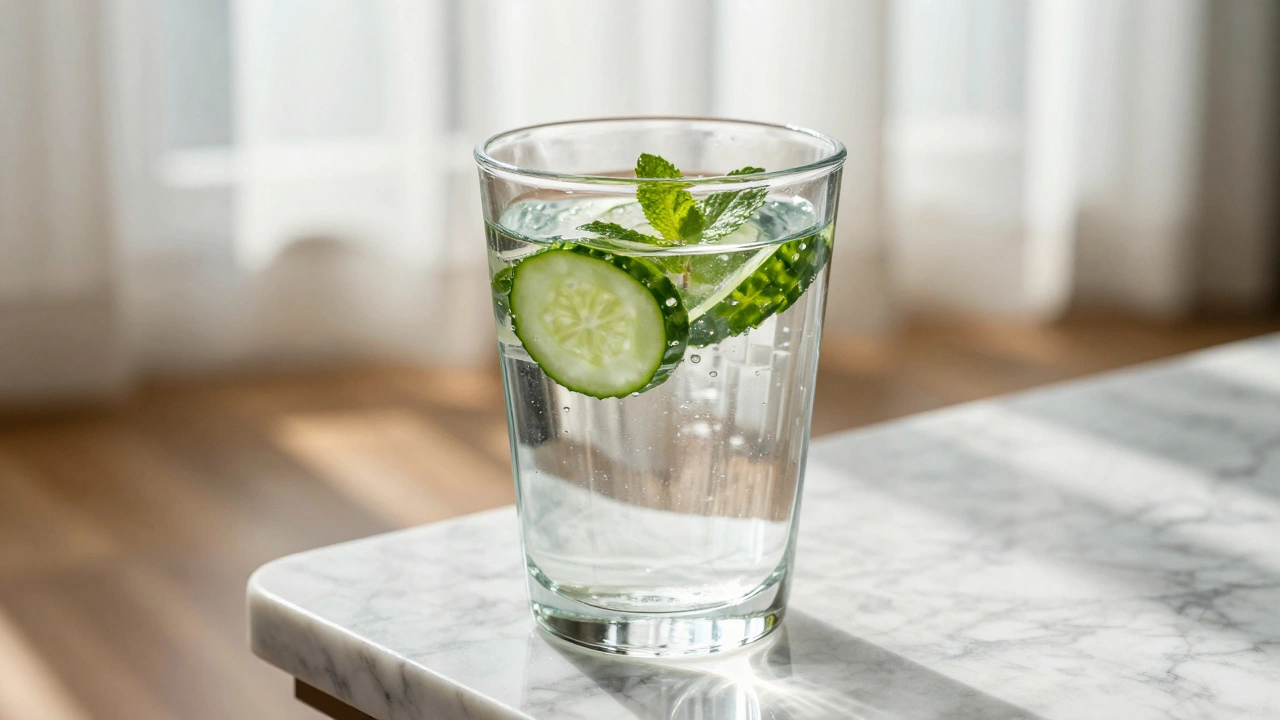
Your kidneys play a massive role in keeping your metabolic balance stable. When you drink enough plain water, your body flushes excess glucose through urine rather than allowing it to remain suspended in your bloodstream. Dehydration often triggers a stress response that raises cortisol levels, which in turn makes your cells more resistant to insulin.
Think of your blood as a delivery system. If you have too little fluid volume, the sugar concentration becomes higher, making it harder for your pancreas to regulate. Research consistently shows that people who maintain higher water intake throughout the day tend to have better glycemic control. You do not need fancy electrolyte mixes loaded with sodium; simple tap water works best. Aim for at least eight glasses daily, increasing the amount if you are physically active or living in warm climates. Sometimes, thirst signals mask themselves as hunger, leading you to eat when you actually needed a glass of H2O.
The Power of Polyphenols in Tea
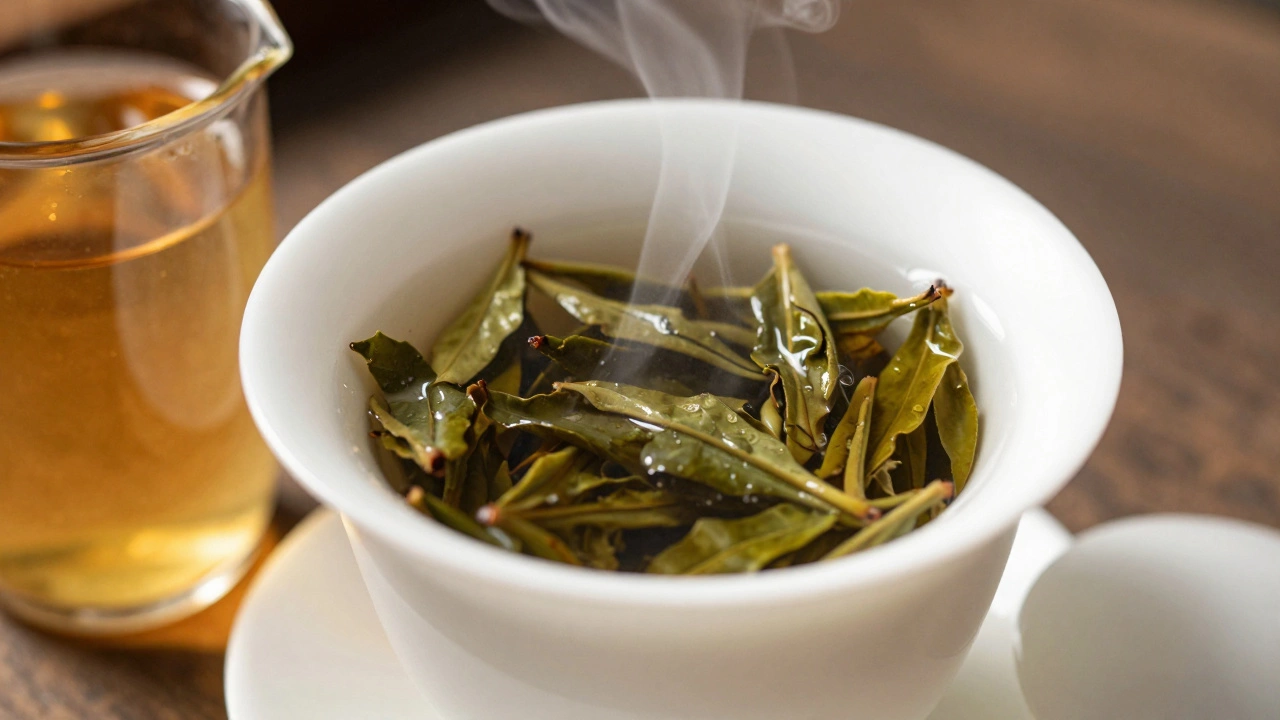
Beverages derived from leaves often pack a punch regarding antioxidants. Green Tea is a non-fermented beverage made from Camellia sinensis leaves rich in catechins. These polyphenols protect beta cells in your pancreas, which produce insulin. One specific compound, epigallocatechin gallate (EGCG), has been studied extensively for its ability to improve glucose tolerance.
You should brew this fresh rather than using tea bags found in supermarkets, which sometimes contain bleached leaves or artificial flavorings. Drinking two to three cups a day is usually enough to see metabolic benefits without causing anxiety from excessive caffeine. Black tea works similarly, offering theaflavins that improve blood flow to vessels. However, keep an eye on tannins, which can interfere with iron absorption if you have anemia. Always choose varieties without added honey or sugar.
For those who dislike the bitterness, Hibiscus Tea stands out. It is tart and naturally contains anthocyanins. Studies suggest hibiscus extract can inhibit enzymes that break down carbohydrates, effectively slowing down sugar entry into the bloodstream. You can steep dried hibiscus flowers in hot water for a cranberry-like taste without the high fructose content associated with fruit juices.
Coffee: A Double-Edged Sword
Coffee deserves nuance. Black coffee has been linked to a reduced risk of developing type 2 diabetes in large-scale epidemiological studies. The chlorogenic acids present in coffee beans slow the liver's production of glucose after eating. However, the moment you pour in skimmed milk, vanilla syrup, or regular sugar, you transform a helpful tool into a hazard.
If you find you feel jittery after morning coffee, your cortisol might already be spiking. Caffeine temporarily reduces insulin sensitivity in some individuals. If you notice a rise in your readings shortly after your first cup, try switching to decaffeinated versions later in the day. Decaf retains many of the beneficial compounds while removing the stimulant effect. For long-term management, moderation remains the rule.
| Drink Type | Sugar Content | Impact on Insulin | Recommendation |
|---|---|---|---|
| Black Coffee | 0g | Improves Sensitivity | Good Choice |
| Fruit Juice | High | Rapid Spike | Avoid |
| Green Tea | 0g | Moderate Improvement | Daily Intake |
| Vinegar Dilution | 0g | Delays Absorption | Pre-Meal Use |
How Vinegar Works Before Meals
Apple Cider Vinegar (ACV) is perhaps the most researched kitchen hack for glucose control. The acetic acid found in vinegar alters how your stomach empties. By delaying gastric emptying, the carbs you eat enter your small intestine more slowly. This creates a flatter curve for your blood sugar reading instead of a sharp peak followed by a crash.
To use it safely, never drink it neat. The acidity can damage tooth enamel and irritate your throat. Mix one tablespoon into a large glass of water and drink it 15 minutes before a carb-heavy meal. Some brands sell diluted ACV drinks, which often still contain hidden sugar or flavors, so read labels carefully. Fermented versions with 'the mother' offer more probiotics, aiding gut health, which indirectly helps metabolic regulation.
Other Plant-Based Infusions
While less scientifically rigorous than coffee or tea, certain herbal waters offer supportive benefits. Cinnamon water involves soaking a stick of cinnamon overnight. Cinnamaldehyde, the active component, mimics insulin action within cells. Ginger tea aids digestion and has anti-inflammatory properties. Chronic inflammation contributes heavily to insulin resistance, so reducing body-wide inflammation supports better sugar handling.
Aloe vera juice is another option gaining traction in clinical nutrition. Certain polysaccharides in the sap of the plant have been shown to enhance insulin sensitivity in cell culture studies. However, because commercial aloe juices vary wildly in quality, stick to reputable brands that specify the purity level. Lemon water provides Vitamin C and hydration without calories. Squeezing fresh lemon adds fiber in the form of pectin, which helps bind cholesterol and slow sugar absorption.
Liquids That Hide Dangerous Sugars
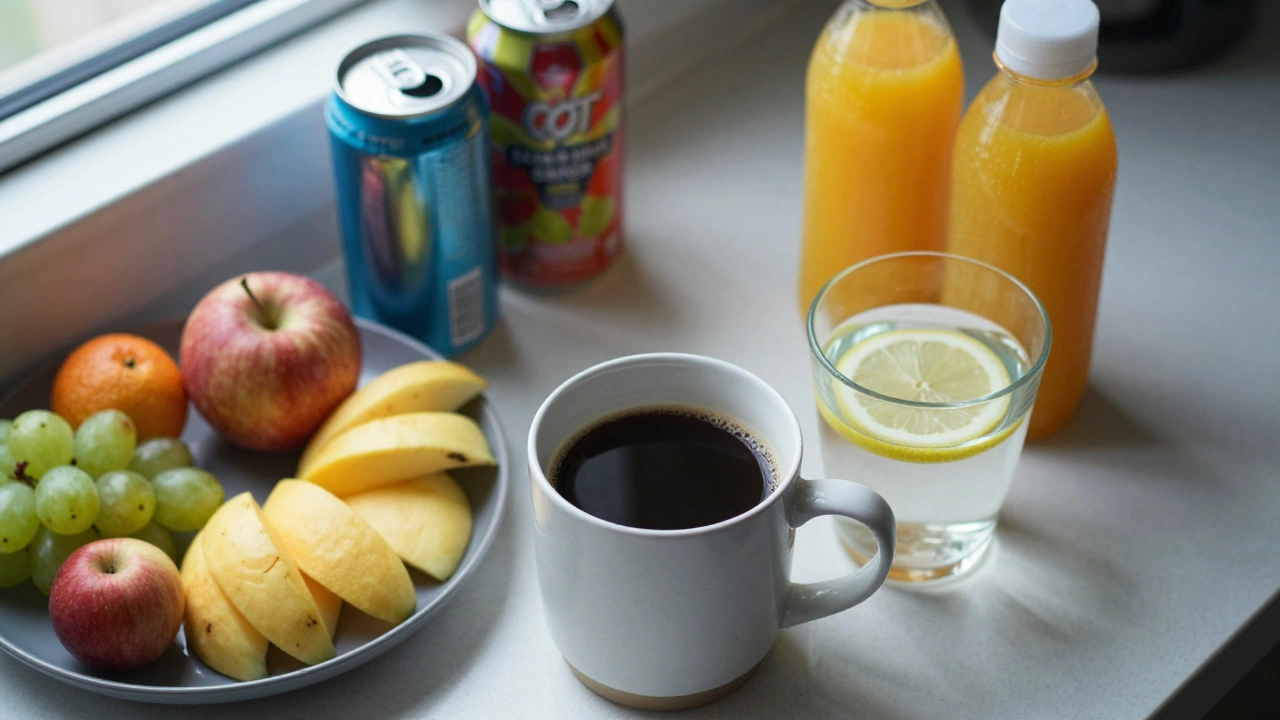
Not all drinks are created equal. Even healthy-sounding options can sabotage your efforts. Flavored sparkling waters often contain artificial sweeteners that trick your brain into expecting sugar, causing cravings. More damaging are fruit smoothies sold in cafes. A single mango or banana blend can contain upwards of 30 grams of natural fructose. Because the fiber is blended rather than chewed, your digestive system processes that sugar faster, mimicking the impact of candy.
Energy drinks combine caffeine with massive amounts of sugar, triggering a dual hit to your glucose monitoring. Alcohol poses a unique risk. While beer and wine may show lower initial sugar, alcohol consumption stops the liver from releasing stored glucose. This can lead to dangerous hypoglycemia (low blood sugar) hours later, especially if you take medication like insulin.
Building a Daily Routine
Integrating these changes doesn't require a complete overhaul. Start by replacing your second coffee of the day with unsweetened green tea. Switch the sugary soda at lunch to sparkling water with lime. Keep a small bottle of ACV mix in your bag for dinners out. Consistency matters far more than perfection. Tracking your glucose response after trying different beverages helps you understand your personal biology. What works for one neighbor might need adjustment for you.
Frequently Asked Questions
Does drinking cold water lower blood sugar directly?
Cold water itself does not metabolize sugar. It primarily assists by helping your kidneys flush excess glucose through urination. Staying hydrated prevents dehydration-induced concentration of blood sugar.
Can I drink fruit juice if I have diabetes?
Freshly squeezed fruit juice lacks the fiber found in whole fruit, causing rapid blood sugar spikes. It is better to eat the whole fruit or consume vegetable-based juices diluted with water.
How much apple cider vinegar is safe to drink daily?
Limit intake to one to two tablespoons diluted in water per day. Excessive consumption can lower potassium levels and damage tooth enamel over time.
Is milk okay for blood sugar control?
Milk contains lactose, a natural sugar. While moderate amounts affect blood sugar less than soda, fat-free milks often spike glucose faster than full-fat versions. Unsweetened almond milk is a low-carb alternative.
Do herbal teas work as well as prescribed medication?
Herbal teas support health but cannot replace prescribed medication for severe diabetes cases. They should be viewed as complementary lifestyle changes alongside professional medical guidance.