After open-heart surgery, most people can ride as a passenger in 2-4 weeks and drive again after 4-6 weeks - if recovery is on track. Learn the signs you’re ready, what to avoid, and how to travel safely.
Read MoreTag: post-surgery travel guidelines
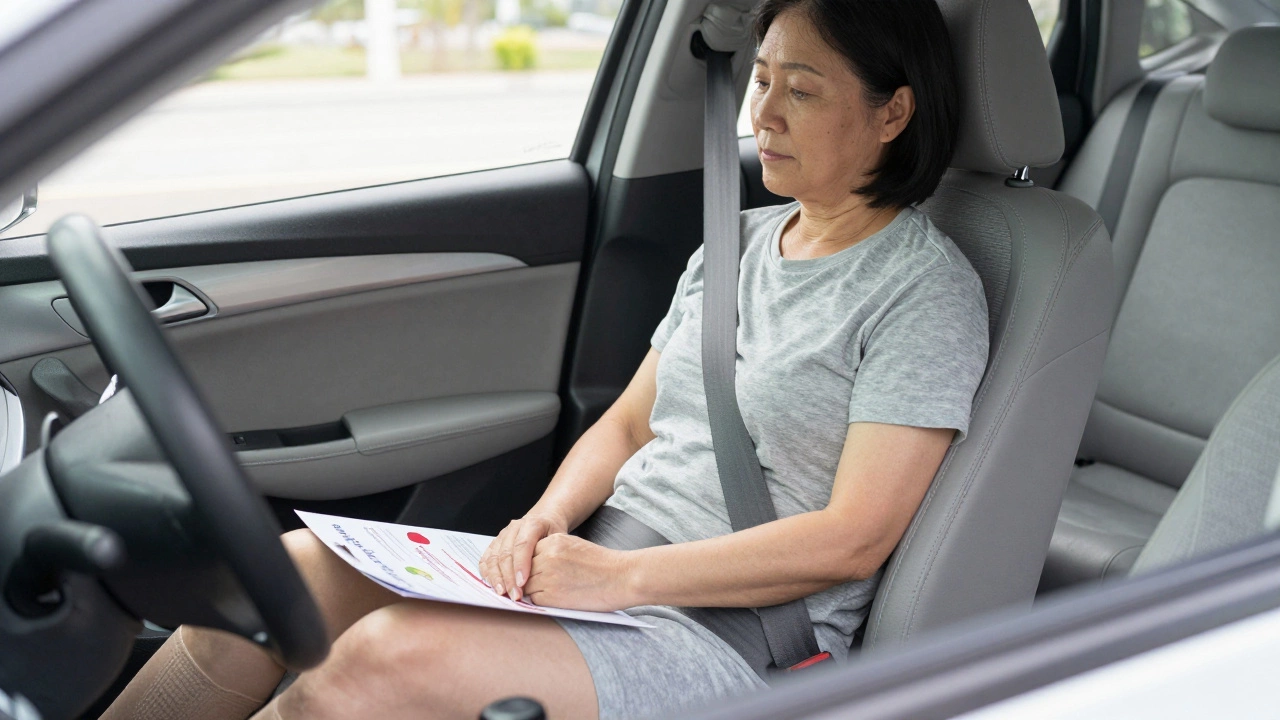
How Long After Open-Heart Surgery Can You Travel by Car?
Archive
Categories

What is the #1 Weight Loss Pill in 2026? A Realistic Guide
Discover the most effective weight loss medications in 2026, including semaglutide and tirzepatide. Learn how GLP-1 agonists work, compare side effects, costs, and why professional guidance from weight loss clinics is essential for safe, sustainable results.

What Are the Side Effects of Ayurvedic Cleanse? Real Risks and What to Watch For
Ayurvedic cleanses promise detox and renewal, but they carry real risks like liver damage, dehydration, and dangerous herb interactions. Learn the side effects, who should avoid them, and safer alternatives.

Do I Need Counseling or Therapy? A Clear Guide to Knowing When to Seek Help
Wondering if counseling or therapy is right for you? This guide breaks down the differences, signs you might need help, what to expect, and how to find support - no crisis required.

Most painful surgeries: top two procedures explained
Discover which two surgeries cause the most pain, why they’re so intense, and how patients manage recovery after heart operations.

Best Drinks That Burn Belly Fat - Science‑Backed Choices for Faster Fat Loss
Discover the top drinks that actually boost belly‑fat metabolism, how they work, safe daily dosages, and a practical 7‑day plan to integrate them into your weight‑loss routine.