Pancreatic cancer is the hardest to cure due to late detection, resistance to treatment, and aggressive spread. Only 12% survive five years. Learn why it's so deadly and what's changing in research.
Read MoreTag: pancreatic cancer survival
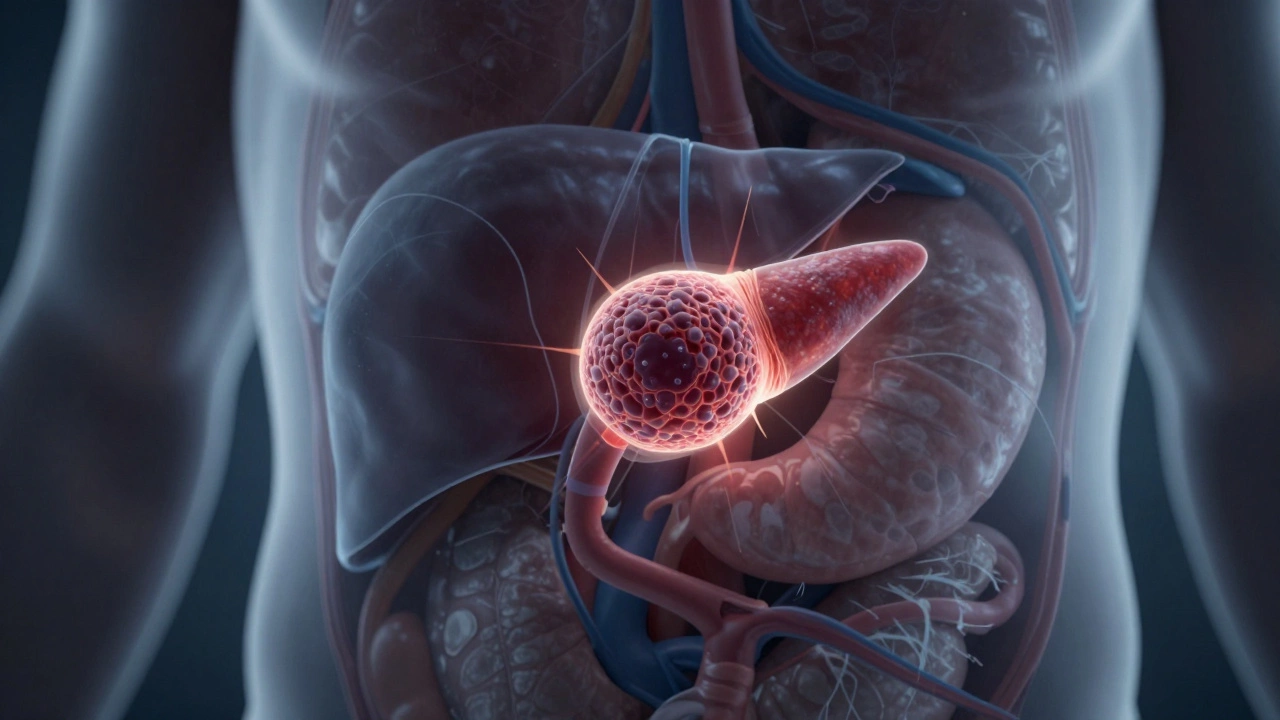
What Is the Hardest Cancer to Cure? Real Facts About Survival, Treatment, and Why Some Cancers Resist Therapy
Archive
Categories

Most Popular Diabetes Medications: Experts' Guide for 2025
Learn what the most popular diabetes medication is in 2025, why doctors prefer it, how it works, side effects, and practical tips for managing type 2 diabetes.

Does Stiffness Go Away After Knee Replacement?
Dealing with stiffness after knee replacement surgery? You're not alone. Many face this issue, but the good news is that there are ways to manage and reduce stiffness effectively. The article explores practical strategies and facts that help improve knee flexibility post-surgery, providing a smoother recovery journey.

Forbidden Foods and Meds for Diabetics: What to Know
Navigating diabetes means understanding what foods and medications could put your health at risk. It's not just about sugar—certain foods, drinks, and even medications can impact blood sugar levels or counteract diabetes meds. This guide breaks down what diabetics should definitely avoid, what to enjoy in moderation, and how certain meds may interfere with diabetes management. With this knowledge, diabetics can manage their condition more effectively.

Most Popular Diabetic Pills: Metformin and Its Role in Modern Diabetes Management
Discover which diabetic pill tops the charts, why metformin remains the first-line choice, and how these medications are transforming living with type 2 diabetes.

Most painful surgeries: top two procedures explained
Discover which two surgeries cause the most pain, why they’re so intense, and how patients manage recovery after heart operations.