There's no single strongest medicine for diabetes. The best treatment depends on your health, weight, and complications. Metformin, GLP-1 agonists, and SGLT2 inhibitors each play key roles-often used together for the best results.
Read MoreInsulin Therapy: What It Is, How It Works, and What You Need to Know
When your body can’t make enough insulin therapy, a medical treatment that replaces or supplements the body’s natural insulin to control blood sugar. It’s not a cure, but for many people with diabetes, it’s the difference between feeling okay and feeling completely drained. This isn’t just about shots—it’s about keeping your energy, your organs, and your life on track.
Insulin therapy is most commonly used for type 1 diabetes, a condition where the body’s immune system destroys the cells that make insulin. People with this type don’t produce insulin at all, so they need it every day. But it’s also used in type 2 diabetes, where the body either doesn’t make enough insulin or doesn’t use it properly. Over time, even if you’re managing with pills, your pancreas can wear out—and that’s when insulin steps in. It’s not a failure. It’s just the next smart step.
There are different kinds of insulin: fast-acting for meals, long-lasting for background control, and combinations in between. Some people use pens, others use pumps. The goal isn’t to mimic a healthy pancreas perfectly—it’s to keep blood sugar stable enough to avoid nerve damage, kidney problems, and vision loss. You don’t need to be perfect. You just need to be consistent.
People often worry about needles. But most users say the fear is worse than the shot. A quick pinch, a little bruising, and you’re done. The real challenge? Remembering to take it, tracking carbs, and adjusting for activity or stress. That’s where support, routine, and simple tools make all the difference.
Insulin therapy doesn’t mean you’re stuck with a strict diet forever. It means you have more control. You can still eat rice, fruit, or bread—you just learn how your body reacts. Many people on insulin find they feel better than they have in years: more energy, fewer crashes, less brain fog. It’s not about restriction. It’s about balance.
What you’ll find in the posts below aren’t just clinical facts. They’re real stories, practical tips, and clear explanations about how insulin fits into daily life in India—whether you’re managing diabetes with Ayurvedic support, dealing with cost concerns, or just trying to understand why your doctor recommended it. No fluff. No fear-mongering. Just what works.
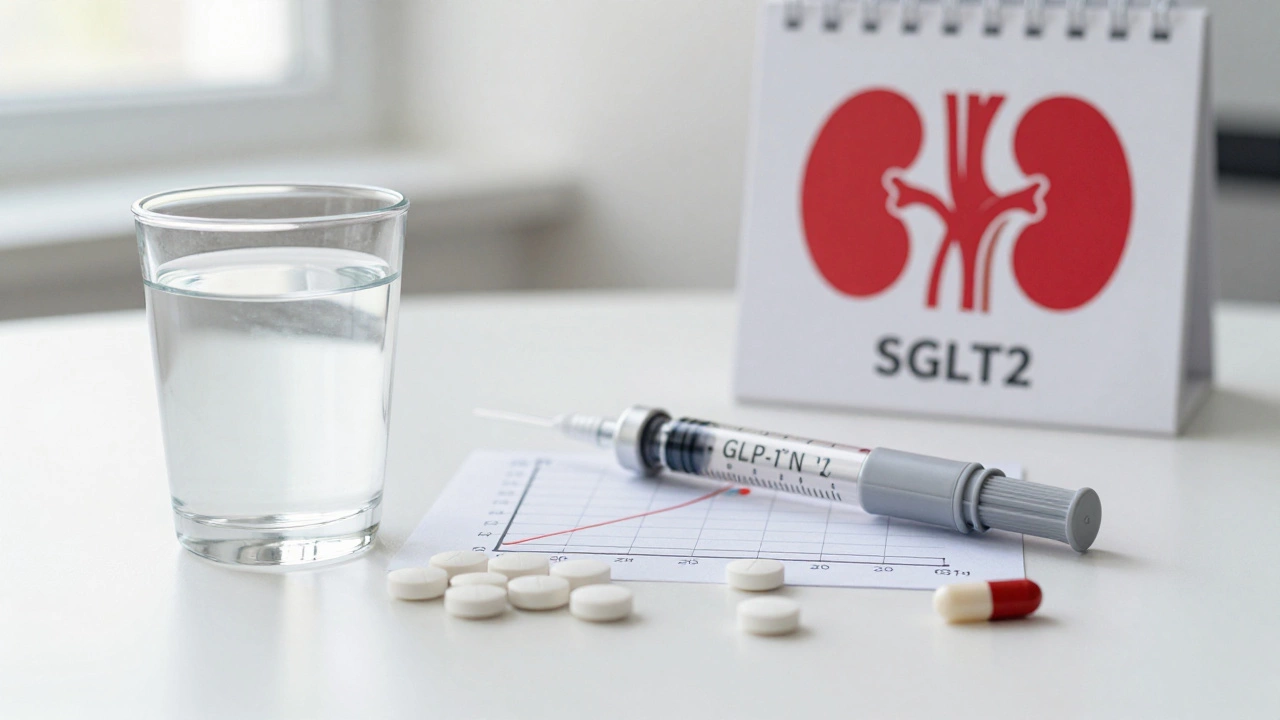
What Is the Strongest Medicine for Diabetes? Top Medications Explained
Archive
Categories

What Herbs Can Cause Anxiety? Evidence-Based List & Safer Picks
Not every “natural” herb calms you. Learn which herbs can trigger anxiety, why it happens, who’s at risk, and safer alternatives-backed by credible sources.
What Is the New Pill for Type 2 Diabetes in 2024?
In 2024, oral tirzepatide became the first non-injectable pill proven to lower blood sugar, promote weight loss, and protect the heart in type 2 diabetes. Here’s what you need to know about this breakthrough treatment.

Exploring the Most Effective Mental Health Therapies
Discovering the strongest form of therapy involves understanding the uniqueness of each individual's experiences and needs. Various therapeutic approaches, such as cognitive-behavioral therapy, mindfulness-based therapy, and integrative therapy, offer different benefits. The key is finding a therapy that resonates with the patient's deep emotions and thought patterns. This article delves into popular and emerging therapies, presenting insights into their effectiveness and applicability.

Prettiest Hospital in the US: Where Healing Feels Like a Vacation
Ever wondered if you could feel relaxed and inspired during a hospital stay? Some U.S. hospitals don’t just heal bodies; they wow visitors with their looks. This article looks at the most beautiful hospital in the States, how its design makes a real difference, and why medical tourists flock there. Find honest tips if you’re thinking about getting treatment in a place that feels more like a resort than a clinic. If you want comfort, Instagrammable views, and top-notch healthcare rolled into one, you’re in the right spot.
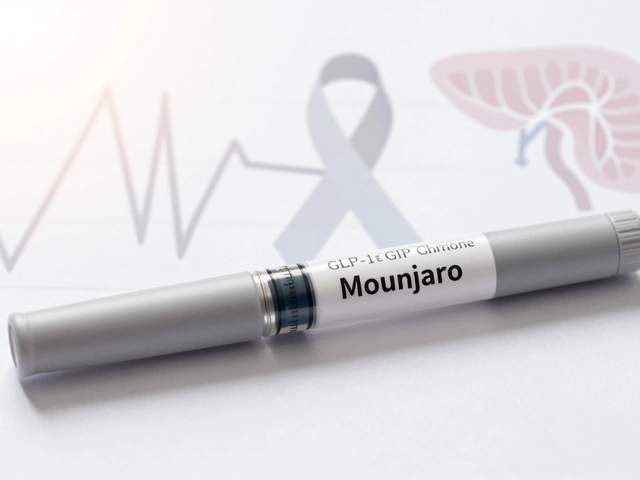
What Is the New Diabetes Drug in 2024? A Clear Breakdown of the Latest Treatment
Tirzepatide (Mounjaro) is the newest diabetes drug in 2024, combining two hormones to lower blood sugar and promote weight loss. It outperforms older meds like Ozempic and is now available on the NHS in the UK for eligible patients.