After open-heart surgery, most people can ride as a passenger in 2-4 weeks and drive again after 4-6 weeks - if recovery is on track. Learn the signs you’re ready, what to avoid, and how to travel safely.
Read MoreTag: driving after cardiac surgery
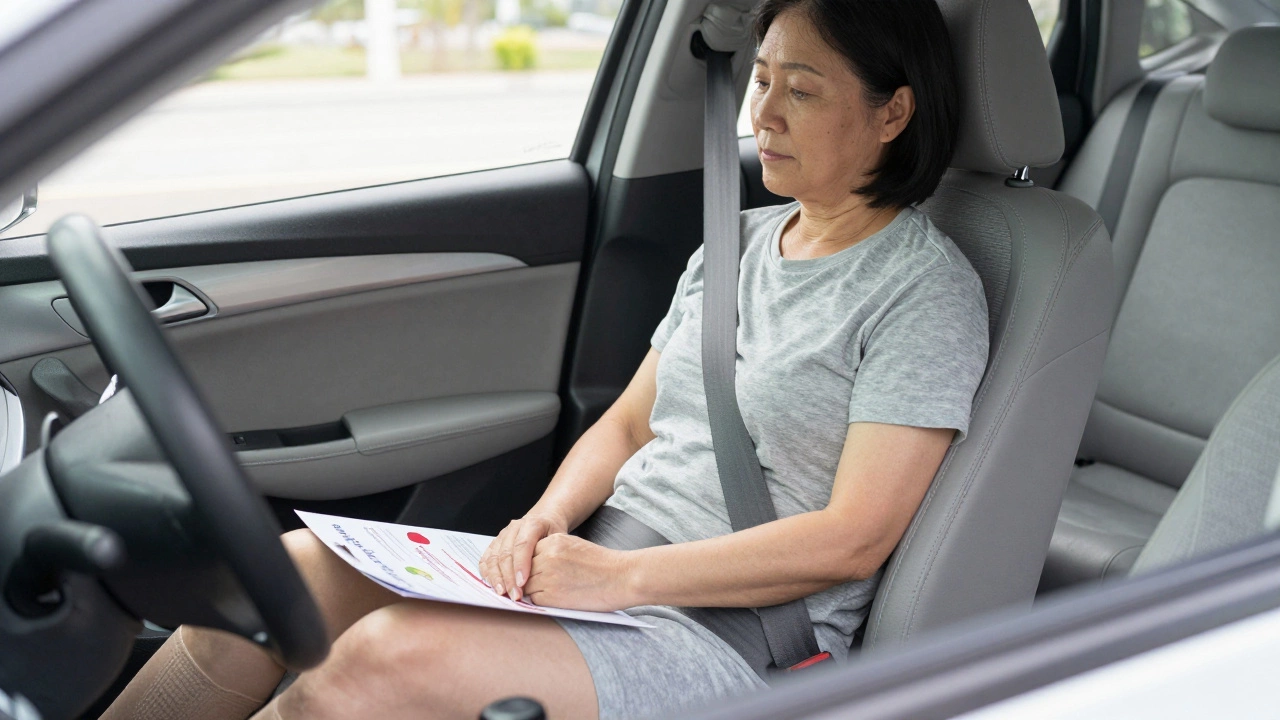
How Long After Open-Heart Surgery Can You Travel by Car?
Archive
Categories

Why Is CVS Pharmacy So Expensive? Hidden Costs and What You Really Pay
CVS pharmacy charges more than competitors for the same drugs due to its ownership of a PBM, spread pricing, and lack of cash discounts. Learn why your prescriptions cost more and how to pay less.

IVF After Baby: How Soon Can You Start Treatment?
Find out the safest waiting period after giving birth before starting IVF, factors that affect timing, and practical steps to prepare for treatment.

Is Bone Surgery Painful? What to Expect, Pain Control Options, and Recovery Timeline (2025)
Worried about pain after bone surgery? Here’s what it really feels like, how long it lasts, and proven ways to control it-based on 2025 UK practices and evidence.

Can Ashwagandha Cause Weight Gain? The Real Science Behind the Myth
Ashwagandha doesn't cause weight gain-it helps your body return to balance. Learn how stress reduction, muscle gain, and appetite changes can affect the scale, and what the science really says.

Who Is the Most Famous IVF Baby? The Story Behind Louise Brown and Her Legacy
Louise Brown, born in 1978, was the first IVF baby and remains the most famous. Her birth proved that conception outside the womb was possible, paving the way for millions of families today.