Ayurvedic cleanses promise detox and renewal, but they carry real risks like liver damage, dehydration, and dangerous herb interactions. Learn the side effects, who should avoid them, and safer alternatives.
Read MoreAyurvedic Cleansing Safety: What You Need to Know Before Trying It
When people talk about Ayurvedic cleansing, a traditional Indian system of detoxification using herbs, diet, and body therapies. Also known as Panchakarma, it's meant to remove toxins and restore balance—but it’s not a one-size-fits-all fix. Many in India turn to it after years of stress, poor sleep, or digestive issues, hoping for a fresh start. But safety isn’t guaranteed just because it’s ancient. Some people feel revitalized. Others end up with dizziness, nausea, or worse. The difference? Knowing what’s right for your body.
Panchakarma, the core process behind most Ayurvedic cleanses, involves five main therapies: oil massages, steam, vomiting, purgation, and nasal cleansing. These aren’t quick fixes—they’re done over days or weeks under supervision. But not everyone has access to trained practitioners. Many try home versions using herbs like triphala, neem, or guggul. That’s where risks creep in. If you have low blood pressure, diabetes, or are pregnant, some of these herbs can be dangerous. Herbal detox, the use of plant-based remedies to flush out toxins sounds gentle, but plants aren’t harmless. Ashwagandha, for example, can affect thyroid function. Swarna Bhasma (gold ash) sounds impressive, but improper preparation can leave heavy metals behind. And combining Ayurvedic herbs with prescription meds? That’s a gamble you shouldn’t take without a doctor’s input.
There’s no official rulebook for Ayurvedic cleansing in India, and quality control varies wildly. A study from the Indian Journal of Medical Ethics found that over 30% of Ayurvedic products tested contained unlisted pharmaceuticals or toxic metals. That’s why knowing your source matters more than the brand name. Look for labs that test for heavy metals, and avoid anything that promises instant results. Real cleansing takes time. It’s not about losing weight fast—it’s about helping your liver, kidneys, and gut work better. If you’re thinking about trying it, start small. A simple morning drink of warm water with lemon and ginger is safer than a full Panchakarma retreat. Talk to an Ayurvedic doctor who asks about your medical history, not just your symptoms.
What you’ll find below are real stories and science-backed facts about Ayurvedic cleansing safety—from people who felt better after doing it right, to others who paid the price for skipping precautions. You’ll learn which herbs to avoid if you have high blood pressure, why some cleanses trigger anxiety, and how to tell if a practitioner is qualified. No fluff. No hype. Just what you need to decide if this path is right for you.

What Are the Side Effects of Ayurvedic Cleanse? Real Risks and What to Watch For
Archive
Categories
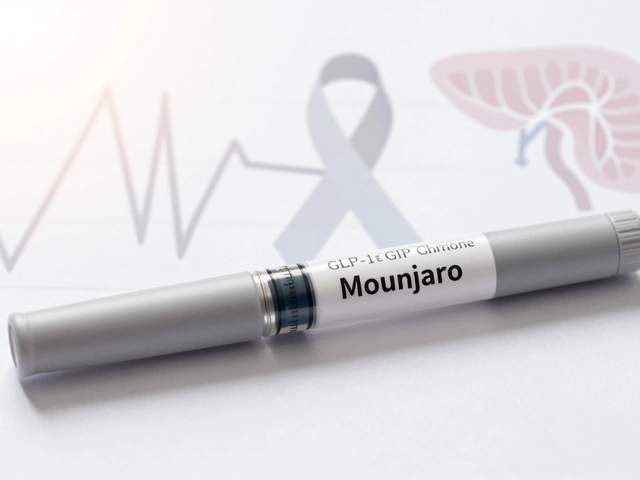
What Is the New Diabetes Drug in 2024? A Clear Breakdown of the Latest Treatment
Tirzepatide (Mounjaro) is the newest diabetes drug in 2024, combining two hormones to lower blood sugar and promote weight loss. It outperforms older meds like Ozempic and is now available on the NHS in the UK for eligible patients.

What Is the Easiest Cancer to Treat? Real Facts About Survival and Recovery
Some cancers are highly curable when caught early. Learn which ones have the best survival rates, how they're treated, and what steps you can take to catch them before they spread.
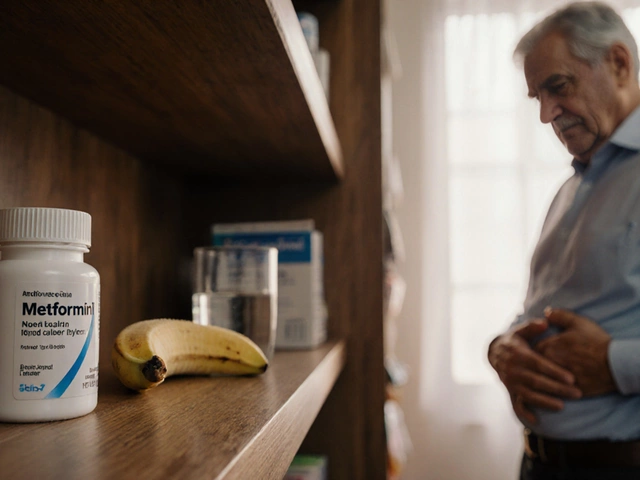
Top Metformin Alternatives: Which Diabetes Medication Is Best for You?
Explore top alternatives to metformin, including SGLT2 inhibitors, GLP‑1 agonists, and DPP‑4 inhibitors, with benefits, side effects, and how to choose the right diabetes medication.

How to Tell if Someone Is Mentally Ill: Signs to Watch For
Learn how to recognize signs of mental illness in others and how to respond with care. Understand the difference between normal behavior changes and serious warning signs that need attention.

Psychologist or Therapist: Which Should You Choose for Mental Health Help?
Wondering if a psychologist or therapist is right for you? This article breaks down the key differences, what each professional can help with, and how you can figure out who fits your needs. Learn about their training, approaches, and even ask-yourself questions to make the process way less confusing. Plus, get tips to find someone who makes you feel comfortable opening up. No fluff, just real talk about getting help that works.