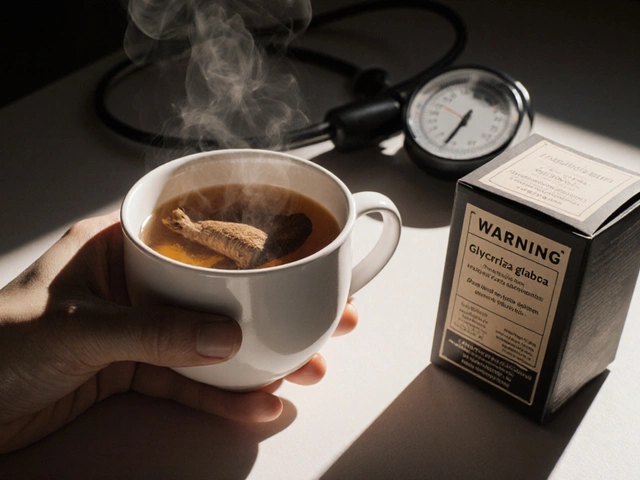
Ayurvedic Cleanse Risk Checker
This tool assesses your personal risk factors for Ayurvedic cleanses based on the latest medical evidence. Remember: Natural does not equal safe. Always consult your doctor before starting any cleanse.
Low Risk
Safe to consider gentle cleanses under professional supervision. Always work with a licensed practitioner who reviews your full medical history.
People turn to Ayurvedic cleanse hoping to reset their digestion, lose weight, or feel more energetic. But behind the buzz of herbal teas, oil massages, and fasting rituals are real risks that aren’t talked about enough. If you’re considering an Ayurvedic cleanse, you need to know what can go wrong - not just the idealized version sold online.
What Exactly Is an Ayurvedic Cleanse?
An Ayurvedic cleanse, often called Panchakarma, is a five-part detox process rooted in 5,000-year-old Indian medicine. It’s not just drinking lemon water or skipping meals. The process includes internal and external oil treatments, vomiting (vamana), purgation (virechana), enemas (basti), nasal cleansing (nasya), and bloodletting (raktamokshana) - depending on your dosha type and practitioner’s approach.
It’s designed to remove ama, or toxins, believed to build up from poor digestion and stress. But unlike modern detoxes that rely on fiber or probiotics, Ayurvedic cleanses use strong herbs like triphala, aloe vera, and castor oil - some of which have documented effects on the liver, kidneys, and gut lining.
Common Side Effects: More Than Just a Runny Stomach
Many people expect mild fatigue or bloating. What they don’t expect is vomiting blood, severe dehydration, or heart palpitations.
- Severe diarrhea - Castor oil and senna leaves are common laxatives in cleanses. They can cause electrolyte loss, leading to muscle cramps, dizziness, and even kidney strain.
- Nausea and vomiting - Vamana therapy forces vomiting. If done incorrectly or on an empty stomach, it can trigger esophageal tears or aspiration.
- Dehydration - Fasting combined with laxatives and diuretics can drop sodium and potassium levels dangerously low. One 2022 case report in the Indian Journal of Medical Ethics described a woman hospitalized after a 7-day cleanse left her with acute kidney injury.
- Herbal liver toxicity - A 2023 study in the Journal of Hepatology linked 14% of herbal detox-related liver failures in India to Ayurvedic products containing unregulated heavy metals like lead, mercury, and arsenic - sometimes added intentionally in small doses for "energizing" effects.
- Heart rhythm changes - Some herbs like arjuna bark and ashwagandha can interfere with heart medications. People on beta-blockers or thyroid drugs have reported irregular pulses after starting cleanses.
Who Should Never Try an Ayurvedic Cleanse?
It’s not just about being "healthy" or "strong." Certain conditions make these cleanses unsafe.
- Pregnant or breastfeeding women - Many herbs cross the placenta or enter breast milk. Senna, for example, is classified as Category C in pregnancy - meaning animal studies showed harm.
- People with kidney disease - The kidneys are already overloaded. Adding herbal diuretics or laxatives can push them into failure.
- Those on prescription meds - Ayurvedic herbs interact with blood thinners, antidepressants, diabetes drugs, and even birth control. Triphala can reduce the effectiveness of metformin. Ashwagandha can amplify sedatives.
- Underweight or elderly individuals - Fasting and purging can lead to dangerous muscle loss and frailty. A 2021 study in Age and Ageing found that seniors who did Ayurvedic cleanses lost 8% of their lean body mass in two weeks.
- People with eating disorders - Cleanses can trigger relapse. The focus on "purifying" the body often mirrors disordered thinking patterns.
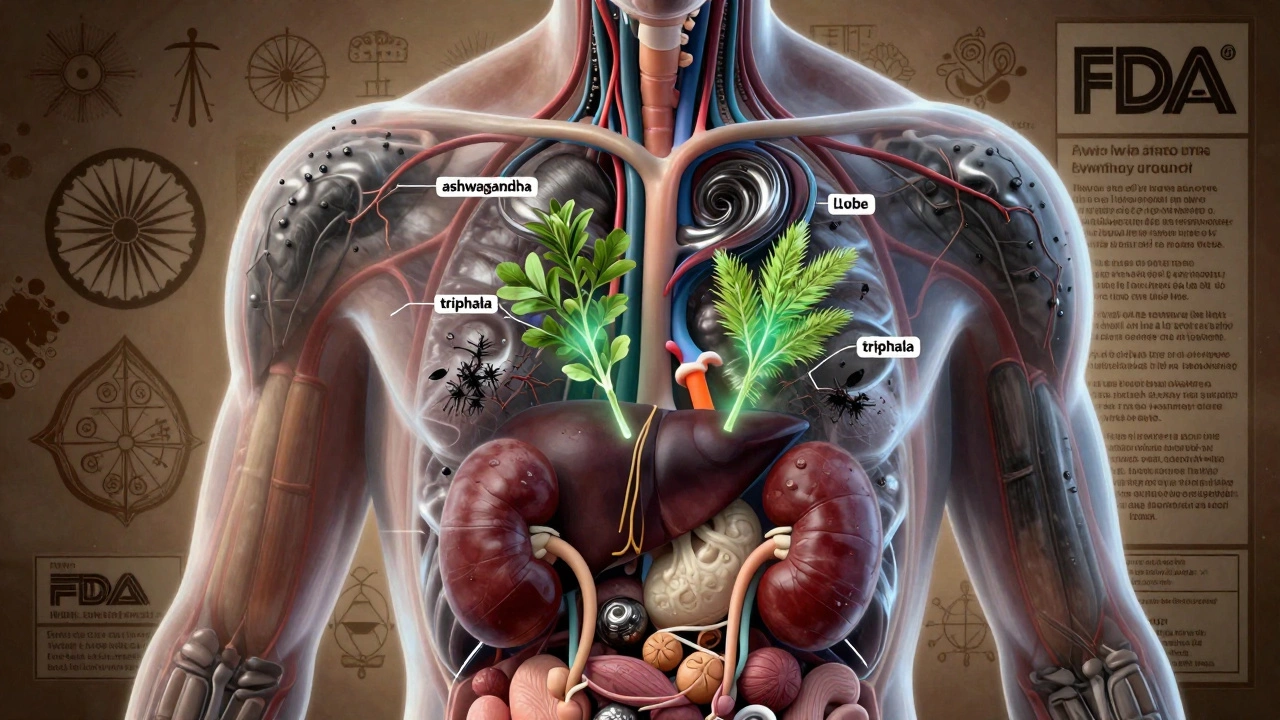
The Hidden Danger: Unregulated Products
Most Ayurvedic cleanses aren’t made in FDA-approved labs. They’re sold in small shops, online marketplaces, or by practitioners who mix herbs themselves. A 2024 U.S. Food and Drug Administration report found that 43% of Ayurvedic supplements imported into the U.S. contained toxic metals.
Even products labeled "organic" or "natural" can contain lead sulfate, mercury sulfide, or arsenic trioxide - substances banned in Western medicine. These aren’t accidental contaminants. In some traditional formulas, they’re intentionally added as "bhasmas," or calcined minerals, believed to enhance potency.
There’s no standard testing. One batch of triphala might be clean. The next, from the same vendor, could be laced with lead. No label tells you which.
What Does a Safe Ayurvedic Cleanse Look Like?
It’s not about avoiding Ayurveda. It’s about doing it right.
- Work with a licensed Ayurvedic practitioner who asks for your full medical history - including all medications and supplements.
- Ask for lab reports on the herbs they use. Reputable clinics test for heavy metals and pesticides.
- Start with a mild version: a 3-day triphala cleanse with plenty of fluids and electrolytes - not a full Panchakarma.
- Never fast for more than 24 hours without supervision.
- Stop immediately if you feel dizzy, have dark urine, chest pain, or vomiting that won’t stop.
Many people feel better after a gentle cleanse - but only when it’s tailored, monitored, and not pushed to extremes.

Alternatives That Work Without the Risk
You don’t need a 10-day detox to feel cleaner or lighter.
- Hydration + fiber - Drinking 2.5 liters of water daily and eating 30g of fiber from vegetables, beans, and oats improves digestion better than any herbal laxative.
- Probiotic-rich foods - Yogurt, kimchi, and fermented vegetables support gut health without the risk of liver damage.
- Regular sleep and stress management - Stress is a bigger toxin than anything in your food. Meditation, walking, and breathing exercises reduce inflammation more effectively than any cleanse.
- Annual blood work - Instead of guessing what’s "toxic," get tested. High liver enzymes, low potassium, or high cortisol tell you what your body really needs.
These aren’t trendy fixes. They’re science-backed, low-risk, and sustainable. And they don’t require you to risk your kidneys or heart to feel good.
Final Thoughts: Listen to Your Body, Not the Hype
Ayurvedic cleanse isn’t inherently dangerous. But it’s not harmless either. The risks are real, underreported, and often dismissed as "part of the healing process."
If you’re tempted by Instagram testimonials promising glowing skin and instant energy, ask yourself: Who’s paying the price? Is it worth risking your liver, your heart, or your kidneys for a few days of feeling lighter?
There’s no shortcut to health. Real healing comes from consistency - not from a 7-day purge. Choose gentle, evidence-based ways to support your body. Your future self will thank you.
Can Ayurvedic cleanse help with weight loss?
Some people lose weight during an Ayurvedic cleanse, but it’s mostly water and muscle loss from fasting and laxatives. This weight returns quickly once normal eating resumes. Long-term fat loss requires calorie control and movement, not detox rituals. One 2020 study in the Journal of Ayurveda and Integrative Medicine found no significant fat loss after 14 days of Panchakarma - only temporary fluid loss.
Are Ayurvedic herbs always safe because they’re natural?
No. "Natural" doesn’t mean safe. Many plants are toxic in high doses - like aloe vera, which can cause liver damage. And as shown in FDA reports, many Ayurvedic products contain lead, mercury, or arsenic - substances that are never safe, no matter the source.
How long should an Ayurvedic cleanse last?
A gentle cleanse can last 3-5 days. Full Panchakarma typically lasts 14-21 days and should only be done under strict medical supervision. Anything longer than a week without professional oversight increases the risk of electrolyte imbalance, organ stress, and nutritional deficiencies.
Can I do an Ayurvedic cleanse while taking medication?
Not without consulting your doctor. Herbs like ashwagandha, triphala, and guggul interact with blood pressure drugs, thyroid meds, antidepressants, and diabetes treatments. These interactions can be dangerous - even life-threatening. Never stop or change your prescription to do a cleanse.
What should I do if I feel worse after starting a cleanse?
Stop immediately. Drink water with electrolytes. Seek medical help if you have vomiting, chest pain, dark urine, confusion, or weakness. These aren’t "detox symptoms" - they’re signs of poisoning, dehydration, or organ stress. Don’t wait for it to "pass."
Is there a safer version of Ayurvedic cleansing?
Yes. A simple daily routine of warm water with lemon, light meals, early sleep, and 20 minutes of walking can support digestion and reduce inflammation - without toxins or fasting. Many Ayurvedic doctors now recommend this as a safer, long-term alternative to intense cleanses.
If you’re thinking about trying an Ayurvedic cleanse, start by talking to your doctor - not a social media influencer. Your body doesn’t need to be cleansed. It needs support. And the safest way to give it that is through balance, not force.