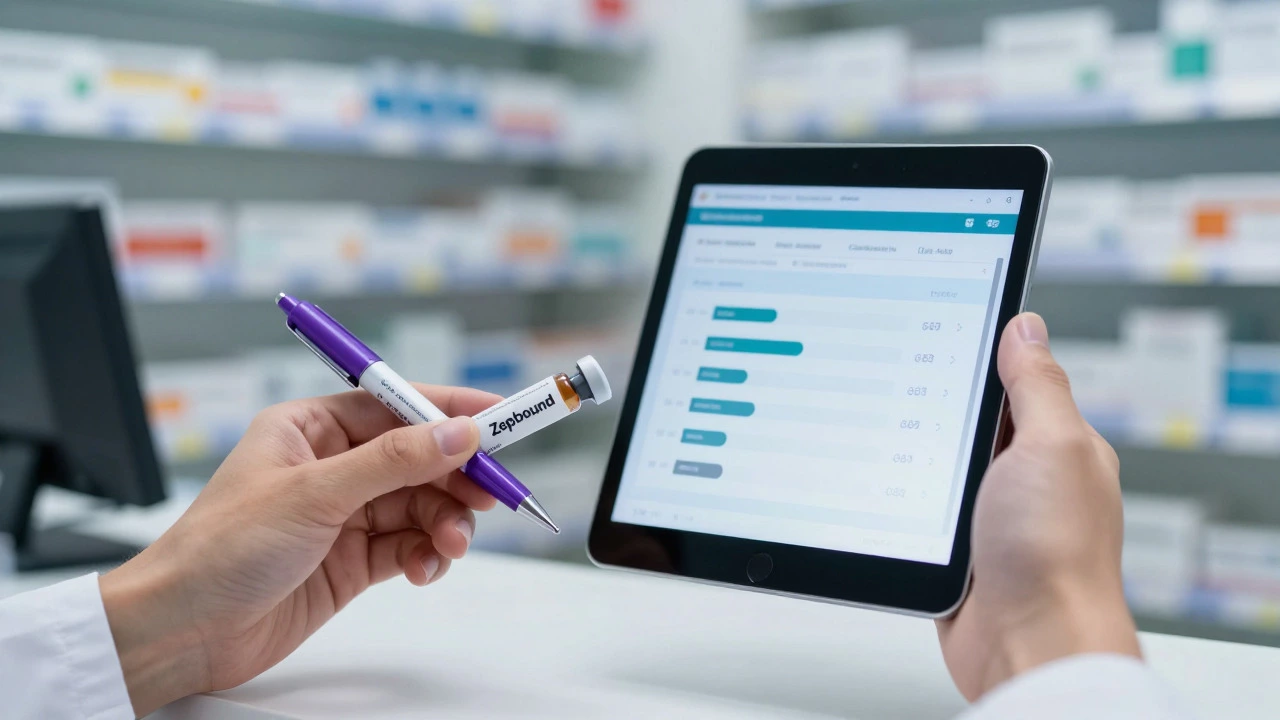
Zepbound Cost & Savings Estimator
Select your current situation to see a realistic estimate of what you might pay per month, along with actionable steps to lower that cost.
Let's be real: the sticker shock of Zepbound is enough to make most people flinch. At list price, a monthly supply can easily top $1,000, which puts it out of reach for many Americans without robust insurance coverage. But you've probably seen ads or social media posts claiming you can get it for just $25 a month. Is that a scam? A typo? Or is there actually a way to make those numbers work?
The short answer is: it’s complicated. You likely won’t pay exactly $25 for the full course of treatment, but you can significantly lower your out-of-pocket costs through specific programs, manufacturer coupons, and careful sourcing from reputable online pharmacies. The key is understanding where the money comes from and avoiding the traps that come with cheap medical supplies.
Understanding the Real Cost of Zepbound
Tirzepatide, the active ingredient in Zepbound, is manufactured by Eli Lilly. Unlike generic drugs, it has no direct competitor yet, giving the manufacturer significant pricing power. However, the "cash price" you see on a website isn't always what you'll pay. Insurance plans often have high deductibles, meaning you pay full price until you hit a certain threshold. For many patients, this initial phase is where the financial pain is highest.
If you are uninsured or under-insured, the baseline cost is steep. But before you write off the drug as unaffordable, look at the three main levers that can pull your cost down: manufacturer assistance, third-party discount cards, and international sourcing. Each has its own rules, risks, and rewards.
The Manufacturer Savings Program
Eli Lilly offers a savings card program for eligible patients. This is often the first step anyone should take. If you qualify, the copay could drop significantly. In some cases, after meeting annual spending caps, the patient portion can be reduced to a nominal fee. While $25 might be an outlier for a single month, hitting a low copay tier is possible for those with commercial insurance.
However, this program has strict eligibility requirements. You generally need:
- Active commercial insurance (Medicare, Medicaid, and government plans are usually excluded).
- A prescription for Zepbound specifically for obesity or chronic weight management.
- To fill prescriptions at participating pharmacies.
Check the official Eli Lilly website for the current terms. These programs change frequently, and the fine print matters. If you don't have commercial insurance, this route is likely closed to you, pushing you toward other options.
Discount Cards and Third-Party Coupons
If the manufacturer card doesn't apply, look at third-party discount cards like GoodRx, SingleCare, or RxSaver. These aren't insurance; they are contracts between the pharmacy and the card provider that offer a discounted cash price. Prices fluctuate based on location and pharmacy inventory, so always compare rates before filling your script.
Using these cards can sometimes bring the monthly cost down to the $700-$900 range, depending on the dose. It’s not $25, but it’s better than the $1,300+ list price. The trick here is consistency. Some pharmacies honor these cards only if you commit to a long-term plan, which can lock you into a higher rate if prices drop later.
Sourcing from Reputable Online Pharmacies
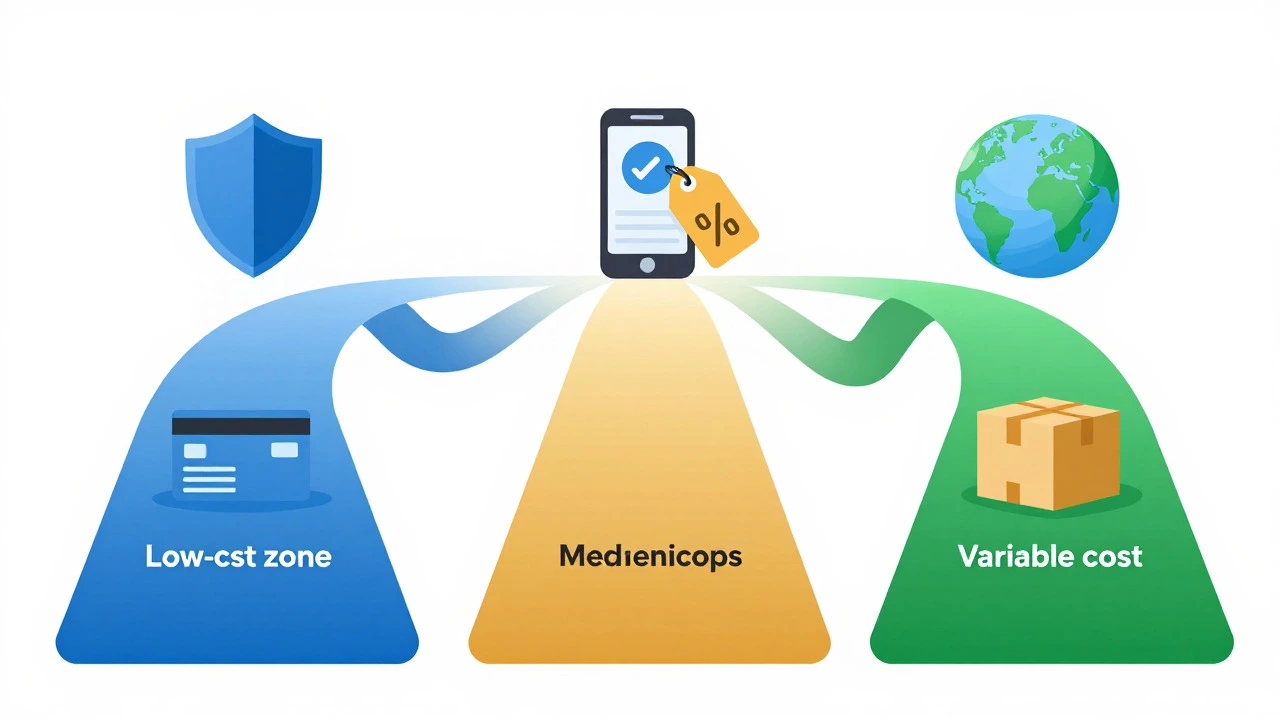
This is where the "$25" rumor often stems from. Many people turn to online pharmacies to avoid US pricing structures. There are two main types: US-based online pharmacies and international ones.
US-based online pharmacies operate under FDA regulations. They require a valid prescription and charge similar prices to brick-and-mortar stores, though they may offer free shipping or subscription discounts. The risk here is low, but the savings are modest.
International pharmacies, particularly those in Canada, Mexico, or India, often sell tirzepatide at a fraction of the US price. A month's supply might cost $300-$500, not $25, but still a significant saving. The catch? Regulatory oversight varies. While many are legitimate, some operate in gray areas. Always verify that the pharmacy is licensed in its home country and check for certifications like the Pharmacy Checkmark or NABP accreditation if available.
| Method | Typical Monthly Cost | Risk Level | Best For |
|---|---|---|---|
| Commercial Insurance + Copay Card | $25 - $150 | Low | Insured patients with high deductibles met |
| Third-Party Discount Cards | $700 - $900 | Low | Uninsured or high-deductible plan users |
| US Online Pharmacy | $1,000 - $1,200 | Low | Patients prioritizing convenience and safety |
| International Pharmacy | $300 - $500 | Moderate | Budget-conscious patients willing to manage logistics |
The $25 Myth: Where Does It Come From?
So, why do people say $25? It usually boils down to one of three things:
- Copay Accumulators: Once you’ve spent a certain amount out-of-pocket in a year, your insurance may cover 100% of the drug, leaving you with a small fixed copay. This is rare but possible for those with generous employer plans.
- Sample Packs or Starter Doses: Some clinics offer a trial period or starter pack at a subsidized rate to get patients started. This isn't a full month's supply, but it can feel like a deal.
- Scams or Misinformation: Social media influencers sometimes exaggerate deals. A "$25/month" ad might refer to a different drug, a generic alternative (which doesn't exist yet for tirzepatide), or a misleading promotional code that expires immediately.
Be skeptical of any source guaranteeing $25 for a full, ongoing supply without explaining the mechanism. If it sounds too good to be true, it probably is.
Practical Steps to Lower Your Costs
Here’s a concrete action plan to maximize your savings:
- Verify Your Insurance Benefits: Call your insurer and ask about prior authorization requirements and copay tiers. Ask specifically if Zepbound is covered for weight loss (not just diabetes, as Mounjaro is).
- Apply for Manufacturer Assistance: If you have commercial insurance, sign up for the Eli Lilly savings card. Keep the digital version on your phone for easy access at the pharmacy.
- Compare Cash Prices Daily: Use apps like GoodRx or SingleCare to check prices at nearby pharmacies. Prices can vary by $50-$100 between locations.
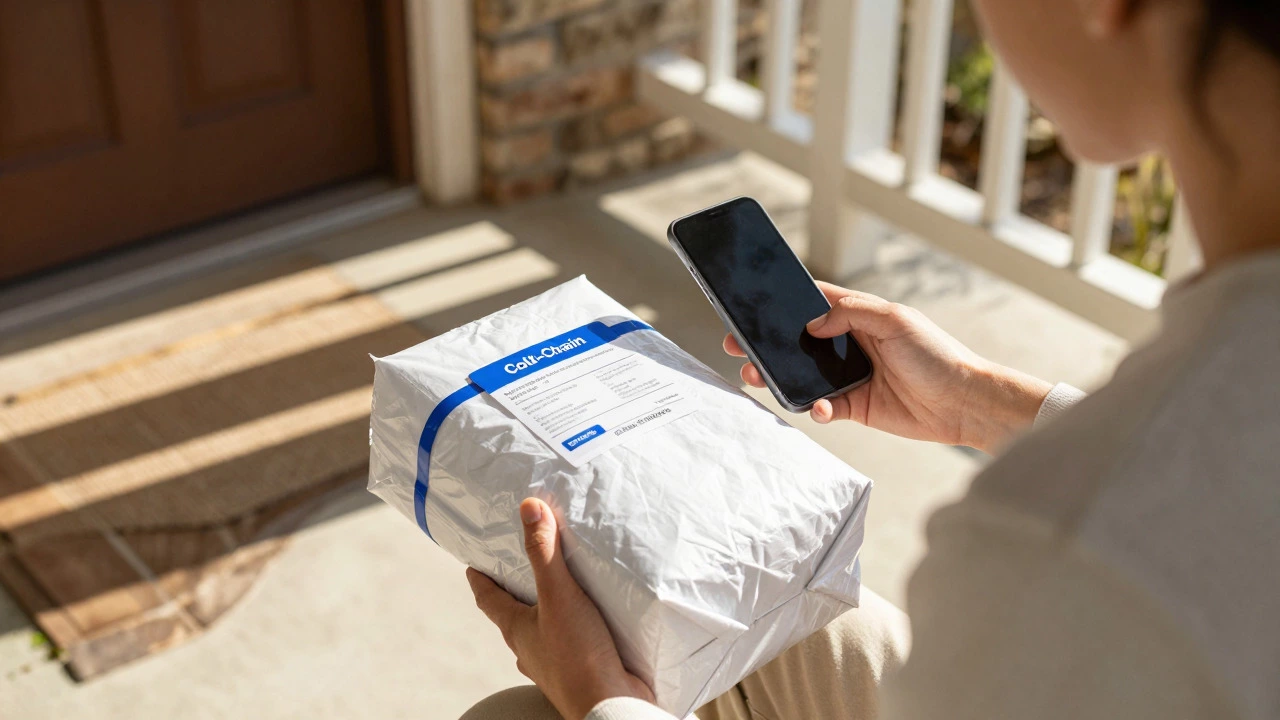
- Consider International Options Carefully: If you go abroad, consult your doctor. Ensure the medication is stored correctly during shipping (cold chain integrity) and verify the pharmacy’s license.
- Ask About Split Billing: Some pharmacists will split a 90-day supply into three 30-day fills to help manage cash flow, though this rarely changes the total cost.
Risks of Cutting Corners
While saving money is smart, cutting corners on medication quality is dangerous. Tirzepatide is a biologic-like peptide that requires proper storage. If you buy from an unverified online source, you risk receiving degraded medication, incorrect dosages, or counterfeit products.
Always check for:
- A physical address and phone number.
- A licensed pharmacist you can speak with.
- Clear return policies.
- Proof of cold-chain shipping if applicable.
If a site looks sketchy, skip it. The potential side effects of a bad batch far outweigh the savings.
Frequently Asked Questions
Is Zepbound really $25 a month?
Not typically. The $25 figure usually refers to a low copay after meeting annual out-of-pocket maximums with commercial insurance, or it is marketing hype. Most patients pay more, even with discounts.
Can I buy Zepbound without insurance?
Yes, but you will pay the cash price. Using discount cards like GoodRx can reduce the cost, but expect to pay several hundred dollars per month. International pharmacies offer lower prices but carry higher regulatory risks.
What is the difference between Zepbound and Mounjaro?
Both contain tirzepatide. Mounjaro is approved for Type 2 Diabetes, while Zepbound is approved for chronic weight management. Insurance coverage differs based on diagnosis, so having a weight-related diagnosis is crucial for Zepbound coverage.
Are online pharmacies safe for buying Zepbound?
US-based online pharmacies are generally safe if they are FDA-registered. International pharmacies can be risky; ensure they are licensed in their home country and use trusted shipping methods to maintain drug potency.
Does Medicare cover Zepbound?
Coverage is limited. Medicare Part D plans vary, and many exclude weight-loss drugs unless used for other conditions. Check with your specific plan administrator for current formulary status.