Ayurvedic Dosha Quiz
Discover your dominant dosha and get personalized Ayurvedic eating recommendations. This quiz takes 2 minutes and helps you understand how to eat for your unique constitution.
Answer these 5 questions about your habits
Starting an ayurvedic diet isn’t about following a rigid meal plan or cutting out entire food groups. It’s about tuning into your body’s natural rhythms and eating in a way that supports your unique constitution. Unlike fad diets that focus on calories or carbs, ayurveda looks at how food affects your energy, digestion, and mental clarity. If you’ve ever felt bloated after a salad, tired after rice, or anxious after caffeine-you might already be sensing your dosha imbalance. The good news? You don’t need to be an expert to begin.
Understand Your Dosha First
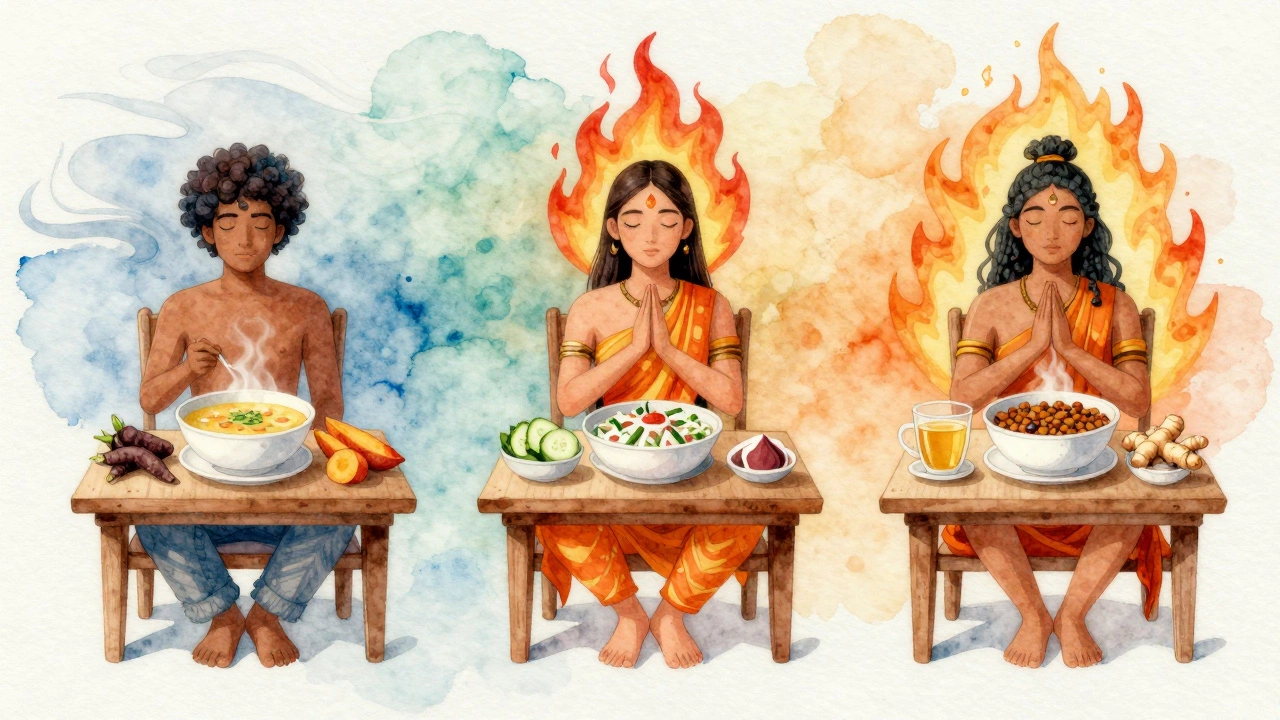
Ayurveda divides people into three main energy types, called doshas: Vata, Pitta, and Kapha. Most people are a mix, but one usually dominates. Knowing yours is the first step to choosing the right foods.
- Vata (air and space): People with this type tend to be thin, energetic, and prone to anxiety or dry skin. They need warm, oily, and grounding foods like soups, cooked grains, and root vegetables.
- Pitta (fire and water): These individuals often have strong digestion, a sharp mind, and may get irritable or fiery when out of balance. Cool, sweet, and bitter foods like cucumbers, coconut, and leafy greens help calm them.
- Kapha (earth and water): Kapha types are steady, grounded, and sometimes sluggish. They benefit from light, spicy, and warm meals-think lentils, bitter greens, and ginger tea-to keep energy flowing.
You can find free online quizzes to guess your dosha, but the best way is to observe yourself. Do you crave warmth or coolness? Do you feel heavy after meals or light? Your body already knows the answer.
Start with Your Main Meal
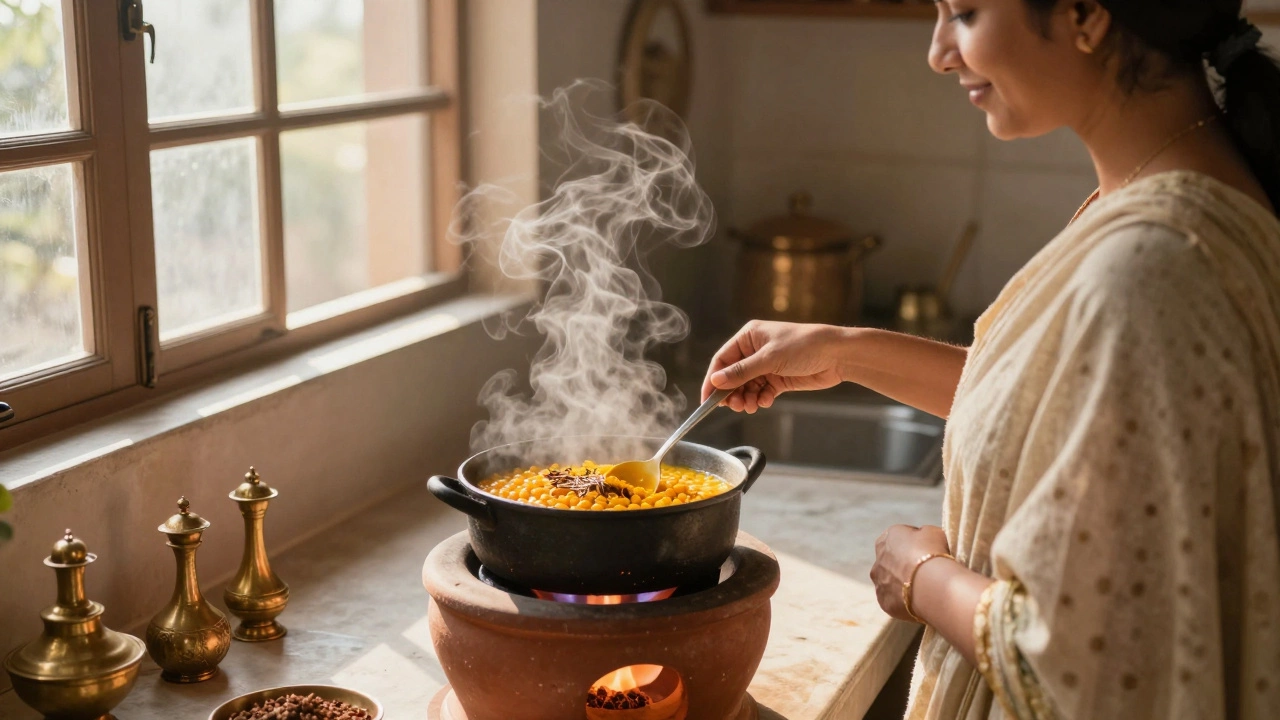
Ayurveda doesn’t care if you eat three meals or two. What matters is timing and quality. Your largest meal should be at lunchtime, between 12 and 2 p.m., when your digestive fire (agni) is strongest. That’s when your body is naturally ready to break down food efficiently.
If you’re used to skipping lunch or eating a big dinner, this shift might feel strange at first. But many people notice a difference within days: less bloating, better sleep, and more consistent energy. Start by making lunch your main meal-even if it’s just a bowl of warm lentils with ghee and turmeric. Skip the cold salads or leftover pizza.
Eat Fresh, Cooked, and Seasoned
Ayurveda avoids raw, cold, or processed foods. That doesn’t mean you can’t eat veggies-you just cook them. Steaming, sautéing, or simmering in spices makes food easier to digest and more nourishing.
Common ayurvedic spices aren’t just for flavor-they’re medicine:
- Turmeric: Reduces inflammation, supports liver function.
- Cumin: Aids digestion, reduces gas and bloating.
- Coriander: Cooling, balances Pitta, helps detox.
- Ginger: Warms the system, boosts metabolism.
- Fennel: Soothes stomach, freshens breath.
Try adding a pinch of each to your daily meals. You don’t need fancy recipes. A simple pot of rice with a teaspoon of ghee, a dash of cumin, and a few chopped tomatoes is a complete ayurvedic meal.
Drink Warm Water All Day
Forget ice water. Ayurveda says cold drinks shock your digestive fire. Warm water, even room temperature, helps your body break down food and flush out toxins.
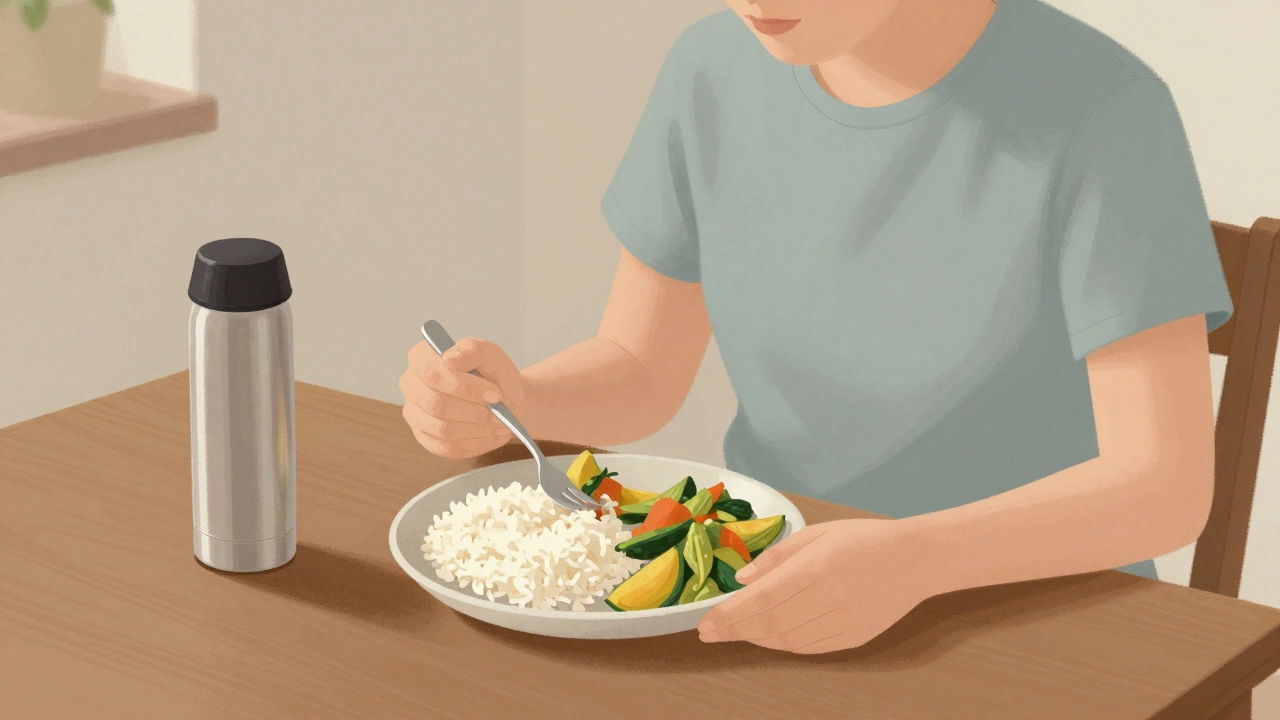
Start your morning with a glass of warm water and a squeeze of lemon. Sip it slowly. Keep a thermos of warm water nearby during the day. If you crave tea, try ginger or fennel. Avoid coffee and black tea-they’re drying and stimulating, which can imbalance Vata and Pitta.
Don’t Skip the Snacks, But Choose Wisely
Snacking isn’t bad in ayurveda-it’s about what you snack on. Nuts, dried fruit, roasted chickpeas, or a small bowl of warm spiced milk are perfect. Avoid chips, crackers, or sugary bars.
If you’re Vata, go for soaked almonds or dates. Pitta types do well with coconut pieces or melon. Kapha should stick to light snacks like herbal tea or a few pumpkin seeds.
And never snack while standing, scrolling, or watching TV. Eat mindfully. Sit down. Chew slowly. Put your fork down between bites. This simple habit alone can transform digestion.
Timing Matters More Than Calories
Ayurveda doesn’t count calories. It counts timing. Here’s what to avoid:
- Eating late at night (after 7 p.m.)-your body isn’t ready to digest.
- Drinking cold water during meals-it douses your digestive fire.
- Combining milk with fruit or salty foods-it causes fermentation in the gut.
- Eating when stressed or angry-digestion shuts down.
Instead, eat when you’re calm. Wait at least three hours between meals. Give your body time to fully digest before the next one. You’ll feel lighter, clearer, and more energized.
Listen to Your Body, Not the Rules
Ayurveda isn’t dogma. It’s observation. If you feel better after eating a small piece of dark chocolate, go ahead. If you crave warm oatmeal in winter, make it. If you feel sluggish after dairy, skip it. Your body knows what it needs.
Many people think ayurveda means giving up everything they love. It doesn’t. It means eating in a way that makes you feel good-not guilty. You can still enjoy your favorite foods, just with more awareness.
What to Expect in the First Week
Within a few days, you might notice:
- Less bloating after meals
- More regular bowel movements
- Clearer skin
- Better sleep
- Less mood swings
Some people feel tired at first. That’s normal. Your body is adjusting from processed foods and erratic eating. Give it a week. Don’t quit because you feel sluggish on day two.
Keep a simple journal: write down what you ate and how you felt two hours later. After a few days, patterns will show up. That’s your personal ayurvedic guide.
Common Mistakes to Avoid
- Trying to be perfect. Ayurveda is about balance, not purity.
- Following someone else’s plan. Your dosha is unique. Don’t copy a friend’s diet.
- Overcomplicating meals. Start with one change: warm lunch, warm water.
- Ignoring emotions. Stress is as damaging as sugar. Eat when calm.
- Waiting for a "perfect" start. Begin today with what you have.
The goal isn’t to become an ayurvedic guru. It’s to feel better, every day, without relying on pills, shakes, or extreme rules.