Knee Relief Strategy Planner
Your Profile & Symptoms
Select Your Main Challenges:
Impact of Weight Loss
This visualizes the relative force reduction. Losing just 10 lbs removes ~40 lbs of force from your knee with every step.
Your Recommended Action Plan
Next Steps:
- Consult an orthopedic specialist to confirm the diagnosis.
- Start the physical therapy exercises listed below immediately.
- If inflammation is high, discuss injections (PRP/Steroids) with your doctor.
Enter your details and click "Generate My Plan" to see how weight management affects your knee health and get a customized treatment roadmap.
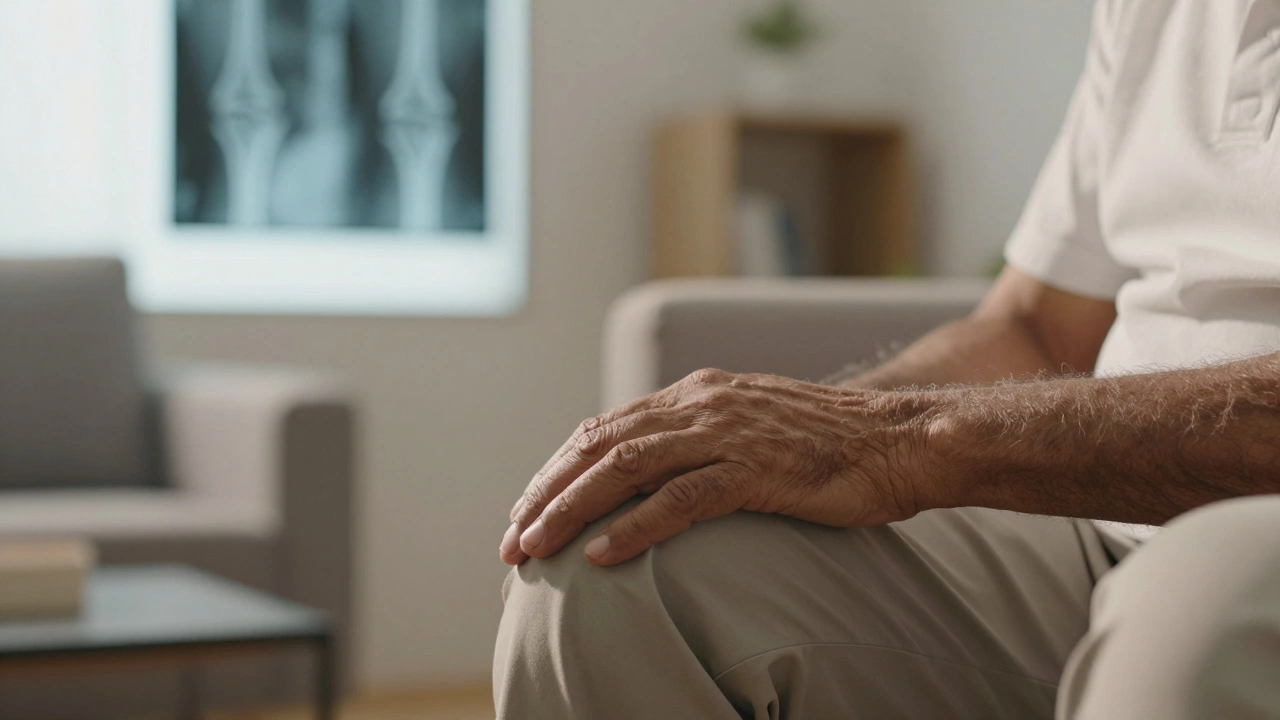
You feel it before you even look at the X-ray. That deep, grinding ache in your knee when you stand up from a chair or walk down stairs. Your doctor hands you the scan and says two words that sound like a death sentence for your active life: "Bone-on-bone." It sounds final. It sounds like metal is the only answer. But here is the truth that many patients miss: "Bone-on-bone" is a radiological description, not necessarily a clinical verdict. While it means the cartilage-the cushioning layer between your thigh bone and shin bone-is gone, it does not automatically mean you need a knee replacement tomorrow.
In fact, for many people, especially those who are younger, active, or simply want to delay surgery, there are legitimate ways to manage pain and improve function without going under the knife. The goal shifts from "fixing" the missing cartilage (which we still can't regrow fully yet) to managing the inflammation, strengthening the support system, and reducing the load on the joint. Let’s look at what actually works in 2026, separating the marketing hype from medical reality.
Understanding the "Bone-on-Bone" Diagnosis
First, let’s clear up the fear. When an X-ray shows bones touching, it looks dramatic. But X-rays are 2D images of 3D structures. They show density, not texture. A "bone-on-bone" appearance on an X-ray often corresponds to severe osteoarthritis, but it doesn’t always correlate perfectly with pain levels. Some people with pristine knees have pain; some with terrible X-rays walk around fine. This discrepancy is your opening.
The primary problem isn't just the lack of cartilage; it's the resulting inflammation. When the smooth surface is gone, the joint becomes irritated. Synovial fluid, which should lubricate the joint, turns inflammatory. This causes swelling, stiffness, and pain. Therefore, the non-surgical strategy focuses on three pillars: reducing inflammation, improving mechanical alignment, and strengthening the muscles that surround the joint.
The Foundation: Weight Management and Load Reduction
This is the hardest pill to swallow, but it is the most effective non-surgical intervention. Every pound of body weight exerts about four pounds of pressure on your knees during walking. If you lose 10 pounds, that’s 40 pounds less force hitting that bare bone every step. For someone with bone-on-bone arthritis, this reduction in mechanical load can dramatically decrease pain and slow further degeneration.
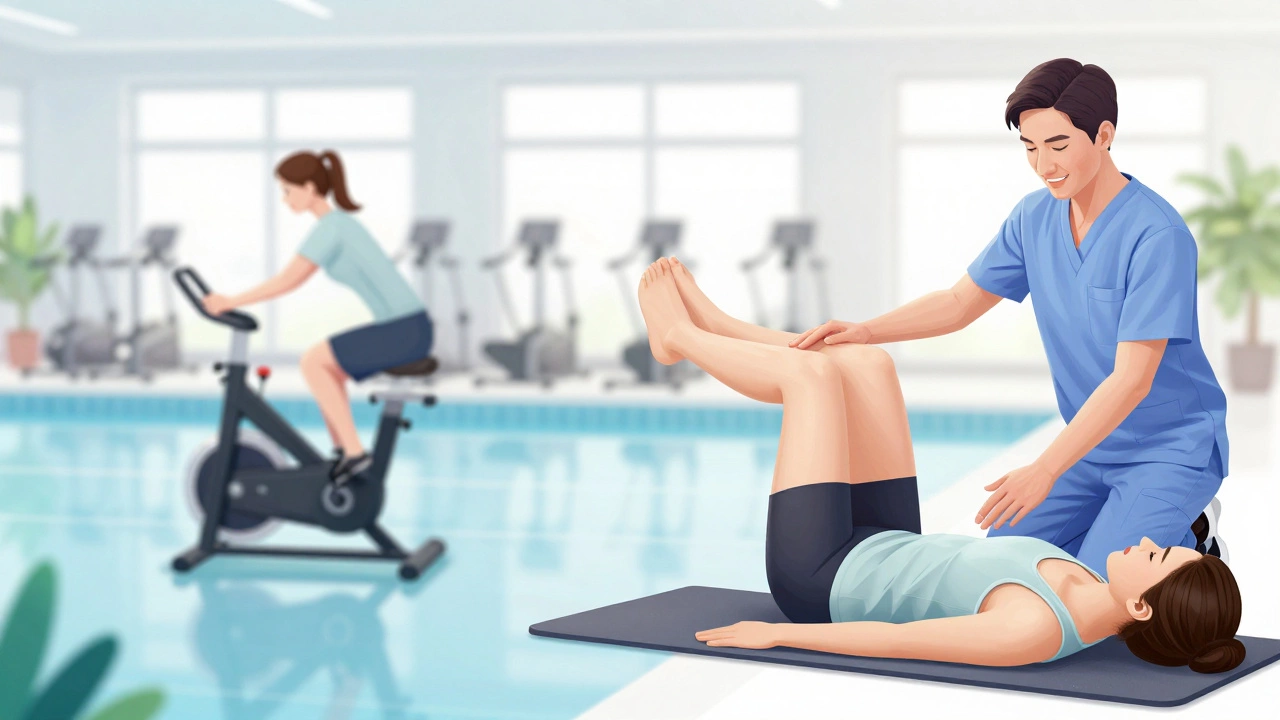
It’s not just about diet; it’s about activity modification. High-impact activities like running or jumping are likely off the table if they cause pain. However, low-impact exercises are crucial. Swimming, cycling, and elliptical training keep the joint mobile without the pounding. Think of your knee as a rusty hinge. Moving it gently keeps it oiled; slamming it shut makes it seize. Avoid prolonged sitting, which stiffens the joint, and take frequent breaks to stretch.
Physical Therapy: Strengthening the Support System
If your knee is a house, the quadriceps and hamstrings are the foundation. When the cartilage is gone, the muscles must work overtime to stabilize the joint and absorb shock. Physical therapy is not optional; it is essential. A targeted program focusing on quadriceps strengthening can reduce knee pain by up to 50% in some studies.
Effective exercises include:
- Straight Leg Raises: Lie on your back, keep one leg straight, and lift it to the height of the other knee. This strengthens the quads without bending the painful joint.
- Clamshells: Lying on your side, open your knees like a clam. This targets the gluteus medius, which helps control hip and knee alignment.
- Heel Slides: Gently slide your heel toward your buttocks while lying down to maintain range of motion.
- Stationary Cycling: Low resistance, high cadence to promote blood flow and lubrication.
A physical therapist can also assess your gait. Sometimes, a slight change in how you walk can offload the damaged part of the knee. If your knee bows inward (valgus) or outward (varus), specific strengthening protocols can help correct this dynamic alignment.
Injections: Beyond Simple Steroids
When exercise and weight loss aren't enough, injections become the next line of defense. The old standard was corticosteroids, which provide quick but temporary relief (weeks to months) by dampening inflammation. However, frequent steroid use can weaken tendons and cartilage over time.
In 2026, the landscape has shifted toward regenerative options, though results vary:
| Injection Type | Mechanism | Duration of Relief | Best For |
|---|---|---|---|
| Corticosteroids | Reduces inflammation quickly | Weeks to 3 months | Acute flare-ups, immediate pain relief |
| Hyaluronic Acid (Viscosupplementation) | Lubricates the joint, mimics natural synovial fluid | 3 to 6 months | Moderate arthritis, improving mobility |
| PRP (Platelet-Rich Plasma) | Uses patient's own growth factors to reduce inflammation and potentially slow degradation | 6 to 12 months | Active individuals, early-to-moderate bone-on-bone cases |
| BMAC (Bone Marrow Aspirate Concentrate) | Contains stem cells and growth factors | Variable, emerging data | Selected cases, often combined with PRP |
PRP Therapy has gained significant traction. It involves drawing your blood, spinning it to concentrate platelets, and injecting them into the knee. While it doesn't regenerate cartilage, it creates an anti-inflammatory environment that can last longer than steroids. It is expensive and often not covered by insurance, so weigh the cost against the potential benefit. Hyaluronic acid injections remain a solid middle ground, providing lubrication that can make movement smoother and less painful.
Pain Medication and Topical Treatments
Oral NSAIDs (like ibuprofen or naproxen) are common, but long-term use carries risks for your stomach, heart, and kidneys. For many, topical treatments are safer and surprisingly effective. Topical diclofenac gel penetrates the skin to target the knee directly with minimal systemic absorption. Capsaicin cream, derived from chili peppers, depletes substance P, a neurotransmitter involved in pain signaling. It takes weeks to work but can provide lasting relief for some.
For nighttime pain that disrupts sleep, doctors may prescribe short courses of stronger analgesics, but these are not long-term solutions. Always discuss medication plans with your healthcare provider to avoid interactions and side effects.
Bracing and Orthotics: Mechanical Support
If your knee arthritis is primarily on one side (medial or lateral compartment), an unloader brace can be a game-changer. These braces apply pressure to shift your weight away from the damaged part of the knee to the healthier side. It’s like putting a shim under a wobbly table leg. While bulky, modern designs are more comfortable and discreet.
Foot orthotics can also help. If you have flat feet or overpronation, custom shoe inserts can improve the alignment of your entire leg, reducing the torque on your knee. Even simple changes, like wearing shoes with better cushioning and support, can make a noticeable difference in daily comfort.
When Non-Surgical Options Aren't Enough
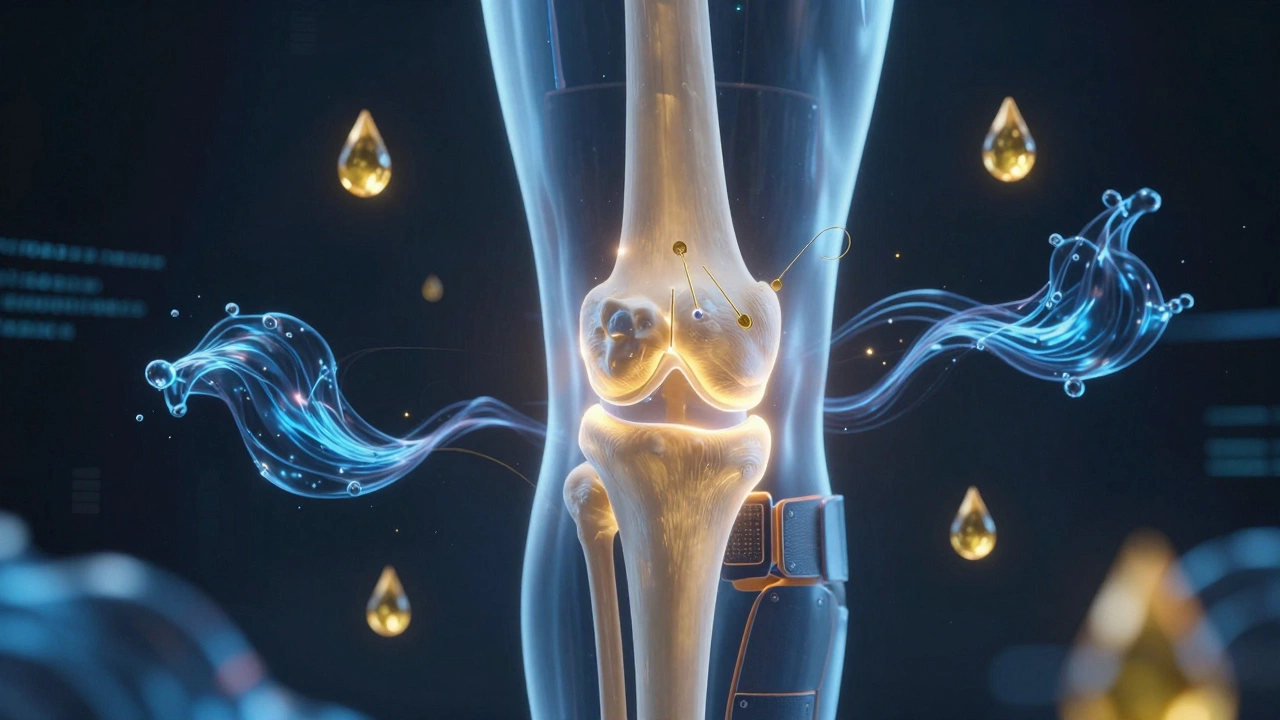
Let’s be honest: non-surgical treatments manage symptoms; they do not cure the underlying structural damage. If you try a comprehensive conservative approach for 3-6 months-weight loss, physical therapy, injections, bracing-and still cannot perform daily activities like walking, sleeping, or climbing stairs, surgery may be the necessary next step.
Delaying surgery too long can lead to muscle wasting and contractures, making recovery harder. Conversely, rushing into surgery when you haven't exhausted conservative options can lead to disappointment. The decision is personal. For some, living with manageable pain is preferable to the risks of surgery. For others, the quality-of-life improvement from a total knee arthroplasty is transformative.
Emerging Therapies and Future Outlook
Research is ongoing into new treatments. Gene therapy, stem cell transplants, and bioengineered cartilage implants are promising but largely experimental or available only in clinical trials. Be wary of clinics offering "miracle cures" for high prices. Stick to evidence-based treatments recommended by board-certified orthopedic specialists.
In 2026, the focus is on personalized medicine. Genetic testing may soon help predict who will respond best to PRP or specific medications. Meanwhile, AI-driven gait analysis tools are helping physical therapists create more precise rehabilitation programs. Stay informed, but stay grounded in current medical consensus.
Your Action Plan
So, can you fix bone-on-bone knee without surgery? You can’t grow back the cartilage, but you can absolutely fix the pain and function for many people. Here is your checklist:
- Consult a Specialist: Get a second opinion if needed. Ensure the diagnosis is accurate.
- Start Physical Therapy: Commit to a consistent strengthening program.
- Manage Weight: Even modest loss reduces joint load significantly.
- Consider Injections: Discuss PRP or hyaluronic acid with your doctor.
- Use Supportive Gear: Try an unloader brace or supportive footwear.
- Modify Activities: Switch to low-impact exercises.
Take control of your knee health. You don’t have to accept pain as inevitable, nor do you have to rush into surgery. With the right combination of strategies, many people live active, pain-free lives despite a "bone-on-bone" diagnosis.
Does "bone-on-bone" mean I definitely need knee replacement?
No. "Bone-on-bone" describes the appearance on an X-ray, indicating severe cartilage loss. However, pain levels do not always match X-ray findings. Many people manage symptoms effectively with non-surgical treatments like physical therapy, weight loss, and injections. Surgery is considered when conservative measures fail to relieve pain and impair daily function.
How long does PRP therapy last for knee pain?
Results vary by individual, but many patients experience pain relief and improved function for 6 to 12 months after a series of PRP injections. Some may require repeat treatments annually. It is most effective for mild to moderate osteoarthritis but can help some with severe cases.
What exercises are safe for bone-on-bone knees?
Low-impact exercises are key. Swimming, water aerobics, stationary cycling, and elliptical training are excellent. Strength training focusing on the quadriceps, hamstrings, and glutes is crucial for stability. Avoid high-impact activities like running, jumping, or deep squats that increase joint stress.
Can weight loss really help knee pain?
Yes, significantly. For every pound of body weight lost, approximately four pounds of pressure are removed from the knee during walking. Losing 10-20 pounds can drastically reduce pain and slow arthritis progression, making non-surgical management much more effective.
Is hyaluronic acid injection better than steroids?
It depends on the goal. Steroids provide faster, shorter-term relief (weeks) for acute inflammation. Hyaluronic acid provides longer-lasting lubrication and pain relief (months) but may take longer to show effect. Hyaluronic acid is often preferred for chronic management, while steroids are used for flare-ups.