When you’re considering IVF, one of the first questions that pops up isn’t about success rates or costs-it’s Is IVF painful? The answer isn’t simple. Some people feel only mild discomfort. Others describe it as one of the most physically demanding experiences of their lives. The truth? IVF isn’t usually excruciating, but it’s not pain-free either. And how much it hurts depends on which part you’re going through.
What happens during IVF? Breaking down the steps
IVF isn’t one single moment. It’s a multi-week process with several key stages. Each one has its own level of physical sensation. Knowing what to expect at each step helps you prepare-not just mentally, but physically too.
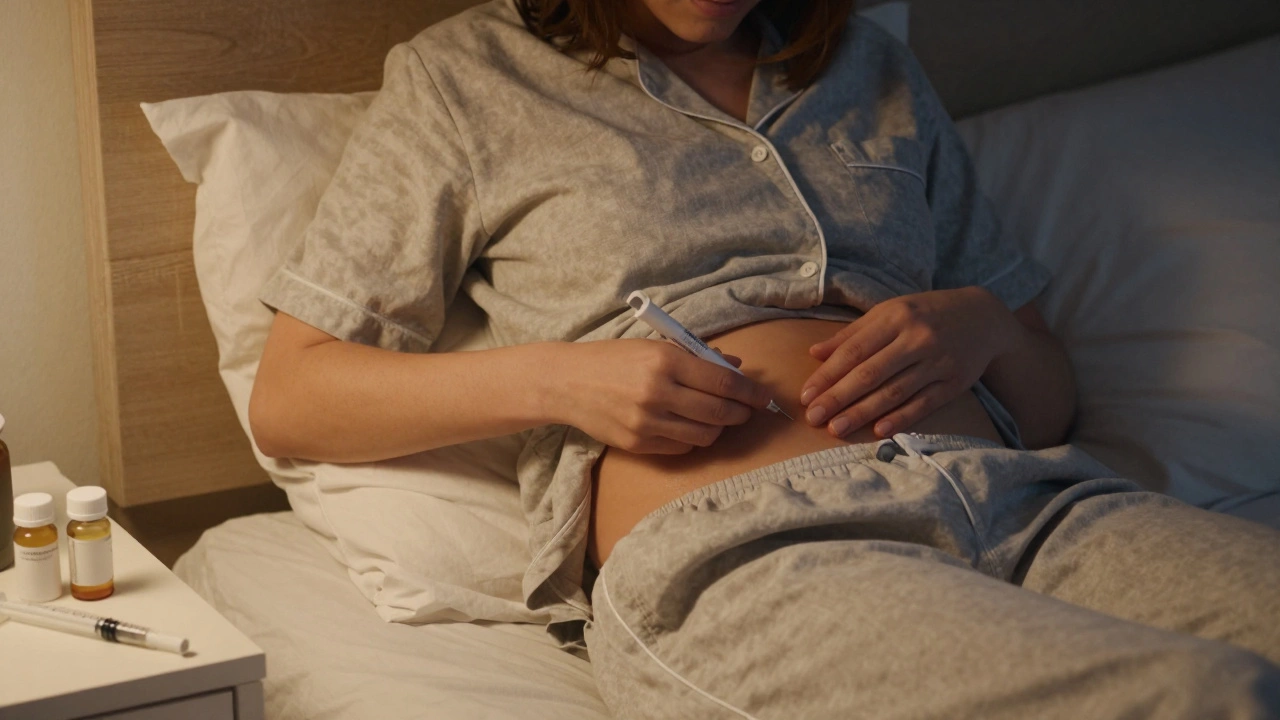
The process starts with ovulation stimulation. You’ll take daily hormone injections for about 8-12 days. These shots trigger your ovaries to produce multiple eggs instead of just one. Most people say the injections themselves feel like a quick pinch, similar to a mosquito bite. The discomfort comes from the bloating and pressure that builds as your ovaries grow. Some describe it as feeling like you’ve eaten too much, or like you’re carrying a small watermelon in your lower belly. It’s not sharp pain, but it’s heavy, achy, and sometimes tiring.
Then comes egg retrieval. This is the step people worry about the most. You’re put under light sedation-you won’t be fully asleep, but you won’t feel anything either. The doctor uses an ultrasound-guided needle through the vaginal wall to collect the eggs from your follicles. The whole thing takes about 15-30 minutes. Afterward, you might feel crampy, like a bad period. A few people report mild spotting or pressure for a day or two. Rarely, someone needs painkillers beyond what’s sold over the counter. But most go back to normal activities the next day.
Next is embryo transfer. This is the least invasive part. A thin catheter is passed through the cervix to place the embryo(s) into the uterus. It feels like a Pap smear-some pressure, maybe a quick cramp, but no needles, no cuts, no sedation. Many women walk out of the clinic and drive themselves home. A few feel a little crampy for an hour. That’s it.
The final stage is the two-week wait. You’re taking progesterone, usually as vaginal suppositories or injections. The suppositories can feel messy and cause mild irritation. The injections? Again, a pinch. But the emotional weight of waiting can make even small twinges feel louder.
How do people actually describe the pain?
Real stories from people who’ve been through IVF show a wide range of experiences. One woman in Manchester said the injections were the worst because she had to give them to herself every night. "I cried the first time," she told me. "But after week three, my arm got used to it. It was the bloating that kept me up at night."
Another person in Leeds described egg retrieval as "a weird pressure, like someone was squeezing my insides-but only for a minute." They were surprised they felt nothing during the procedure, but the next day, they needed ibuprofen for cramps.
On the other end, someone in Birmingham had a reaction to the hormones that caused severe ovarian hyperstimulation syndrome (OHSS). "I gained 12 pounds in four days. My stomach was so tight I couldn’t sit down. I had to go to A&E. That was the real pain-not the procedure, but the side effect." This is rare, happening in less than 2% of cases, but it’s important to know it’s possible.
Most people don’t have extreme reactions. The majority say the discomfort is manageable. A 2024 survey of over 1,200 IVF patients in the UK found that 78% rated the overall physical discomfort as mild to moderate. Only 9% said it was severe.
What makes IVF hurt more?
Not everyone feels the same way. Some factors make the process feel harder:
- Number of follicles: More eggs mean bigger ovaries, more pressure, more bloating.
- Body sensitivity: Some people’s bodies react more strongly to hormones. You might get bloated faster or feel cramps more intensely.
- Previous pelvic surgery: Scar tissue from past operations can make egg retrieval trickier and more uncomfortable.
- Anxiety: Stress doesn’t cause pain, but it makes you more aware of it. If you’re tense, even a small cramp feels bigger.
There’s no way to predict exactly how you’ll feel-but knowing these factors helps you talk to your clinic. If you’ve had bad reactions to hormones before, tell them. They can adjust your protocol.

How do clinics help manage the pain?
Good fertility clinics don’t just focus on getting you pregnant-they focus on making the journey bearable. Here’s what they do:
- Smaller needles: Many clinics now use pen-style injectors with ultra-fine needles. Some even offer numbing cream for injection sites.
- Proactive pain advice: They give you a list of safe pain relievers (like paracetamol) and warn you against NSAIDs like ibuprofen during stimulation, which can affect egg quality.
- Comfort during retrieval: Sedation is standard. You’ll be monitored closely. Most clinics offer warm blankets, calming music, and a partner in the room.
- OHSS monitoring: If your hormone levels rise too fast, they’ll pause treatment or adjust doses to avoid serious complications.
Some clinics even offer acupuncture or massage therapy as part of their IVF support packages. It’s not magic, but it helps some people relax-and relaxation reduces how much pain you notice.
What can you do to make it easier?
You’re not just a patient-you’re an active participant. Here’s what helps real people get through IVF with less stress and discomfort:
- Stay hydrated: Water helps reduce bloating. Aim for 2-3 litres a day.
- Wear loose clothes: Tight waistbands will feel unbearable when your belly swells.
- Use a heating pad: A warm pad on your lower belly helps with cramps more than pills sometimes.
- Plan your injections: Do them at night before bed so you’re lying down when the soreness hits.
- Don’t isolate yourself: Talk to others who’ve been through it. Online groups like IVF Support UK or local meetups make a huge difference.
- Rest during retrieval: Don’t plan anything important the day after. Give your body time.

When should you call your clinic?
Most discomfort is normal. But some signs mean you need help right away:
- Sudden, sharp abdominal pain
- Severe bloating with nausea or vomiting
- Difficulty breathing
- Decreased urination
- Fever over 38°C
These could signal OHSS or infection. Don’t wait. Call your clinic immediately. They’ve seen this before and know how to help.
Is the pain worth it?
That’s the question no one can answer for you. But here’s what people who succeeded say: "The pain was temporary. The hope wasn’t."
IVF isn’t easy. It’s messy, emotional, and sometimes physically uncomfortable. But for thousands of people each year in the UK, it’s the path to becoming a parent. The injections, the cramps, the waiting-they’re not pleasant. But they’re not the whole story. The quiet moment when you see that positive test, the first heartbeat on the screen, the baby in your arms-that’s what carries people through.
If you’re wondering if IVF is worth the pain, ask yourself this: What’s worse-the discomfort of the process, or the regret of not trying?
Does IVF hurt more than giving birth?
No, IVF doesn’t hurt more than giving birth. Most people describe the pain of IVF as mild to moderate cramping and pressure, especially during hormone stimulation and egg retrieval. Labor involves intense, prolonged contractions, tearing, and significant physical exertion. While IVF has discomfort, it’s short-term and manageable. Birth is a much more intense physical event.
Can you work during IVF treatment?
Yes, most people continue working during IVF. The hormone injections can be done at home, and egg retrieval usually requires only one day off. Embryo transfer is quick and doesn’t need recovery time. However, if you experience heavy bloating or fatigue, it’s okay to take a day or two off. Listen to your body. Many clinics encourage flexible work arrangements during this time.
Are the IVF injections really that bad?
The injections are a quick pinch, not a needle jab. Most people get used to them after a few days. The bigger issue is the bloating and mood swings they cause, not the injection itself. Many clinics offer auto-injectors or numbing cream to make it easier. Some people even say the routine becomes comforting-it’s a small act of hope they can control.
How long does the pain last after egg retrieval?
Cramping and pressure usually last 24-48 hours after egg retrieval. Some people feel fine the next day. Others need light pain relief for a couple of days. You might feel tired or slightly bloated for up to a week, but sharp pain should go away quickly. If pain gets worse after day two, contact your clinic-it’s not normal.
Can you take painkillers during IVF?
Yes, but not all painkillers are safe. Paracetamol (acetaminophen) is generally fine throughout IVF. Avoid NSAIDs like ibuprofen, aspirin, or naproxen during ovarian stimulation-they can interfere with egg development. After embryo transfer, always check with your clinic before taking anything. They’ll give you a clear list of what’s okay.
Is IVF more painful the second time around?
Not necessarily. Your body remembers the hormones, so some people find the second round easier. Others feel worse because their ovaries are more sensitive after previous stimulation. Every cycle is different. What matters most is your current health, hormone levels, and how your body responds this time-not what happened before.
What comes next after IVF?
If the transfer works, you’ll start prenatal care. If it doesn’t, you’ll have a conversation with your clinic about whether to try again, take a break, or explore other options. There’s no right answer. But one thing is clear: the pain of IVF fades. The hope, the love, the determination-you carry those forward.