Learn how to recognize signs of mental illness in others and how to respond with care. Understand the difference between normal behavior changes and serious warning signs that need attention.
Read MoreMental Health Symptoms: What to Watch For and When to Act
When you’re struggling with your mental health, the way you think, feel, and cope with daily life. Also known as emotional well-being, it’s not just about being sad or stressed—it’s about how your whole system responds to pressure, loss, or change. Many people ignore early warning signs because they don’t look like what they see in movies. No dramatic breakdowns, no tears in public. Just exhaustion. Irritability. Losing interest in things you used to love. That’s not weakness. That’s your mind asking for help.
Anxiety, a persistent feeling of worry or fear that doesn’t go away. Also known as overactive stress response, it shows up as racing thoughts, tight chest, trouble sleeping, or avoiding social situations—even when there’s no real danger. Depression, a deep, lasting low mood that affects energy, focus, and motivation. Also known as emotional numbness, it’s not just feeling down after a bad day. It’s waking up tired, skipping meals, canceling plans, and feeling like nothing matters—not even things that used to bring joy. These aren’t just moods. They’re signals. And they often show up together. Someone with chronic pain might also have undiagnosed depression. Someone with untreated ADHD might be labeled "lazy" when they’re actually overwhelmed by mental clutter.
What makes this even harder in India is the silence around it. Many people think therapy is only for "serious cases," or that Ayurvedic herbs alone can fix deep emotional pain. But herbs like ashwagandha help with stress, not trauma. Yoga calms the nervous system, but won’t undo years of suppressed grief. You need the right tools for the right problem. That’s why the posts here cover real experiences—from how long therapy should last to how untreated ADHD can spiral into job loss or substance use. You’ll find honest takes on when to seek help, what medications actually do, and how cultural beliefs can delay or help recovery.
There’s no shame in needing support. Your mind works like your body—it gets injured, it gets tired, it needs care. Ignoring mental health symptoms doesn’t make them go away. It just makes them louder. And the longer you wait, the harder they are to treat. The articles below give you the facts, not fluff. No jargon. No guesswork. Just what you need to know to take the next step—whether that’s talking to a doctor, trying a new herb, or finally asking for help.

How to Tell if Someone Is Mentally Ill: Signs to Watch For
Archive
Categories

King of All Herbs: The Story of Ashwagandha
What makes Ashwagandha the most respected herb in Ayurveda? This article strips away the hype and shares real reasons why Ashwagandha is called the king of all herbs. You'll learn about its basics, benefits, and the science behind them. There's even some practical advice for using Ashwagandha at home. If you've ever wondered what sets this herb apart, you're in the right place.

Is Nurx a Trusted Online Pharmacy? A Deeper Look
Online pharmacies have become a convenient option for many, but trust is key when selecting one. Nurx is a popular name in the industry, yet questions about its legitimacy remain. This article delves into what makes Nurx stand out, its services, safety measures, and how it compares to traditional pharmacies, providing readers with insights to make informed choices.

How Painful Are IVF Shots? Real Experiences and What to Expect
IVF shots aren't as painful as most expect - most people feel only a quick pinch. Learn what the injections really feel like, how to reduce discomfort, and why the emotional weight matters more than the needle.

Which Country Has the Unhealthiest Diet? Global Eating Habits Ranked
Discover which country tops the list for the unhealthiest diet, shocking global eating habits, and useful tips for smarter food choices.
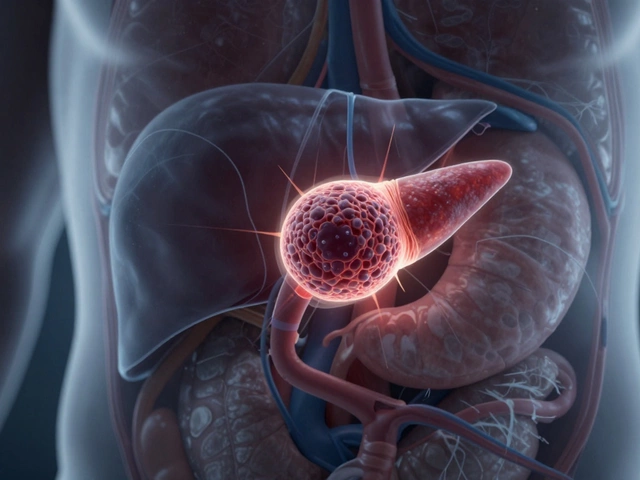
What Is the Hardest Cancer to Cure? Real Facts About Survival, Treatment, and Why Some Cancers Resist Therapy
Pancreatic cancer is the hardest to cure due to late detection, resistance to treatment, and aggressive spread. Only 12% survive five years. Learn why it's so deadly and what's changing in research.