Orthopedic doctors are trained to diagnose arthritis using physical exams, imaging, and medical history. They can identify both osteoarthritis and rheumatoid arthritis, and determine the best treatment plan-whether it's therapy, injections, or surgery.
Read MoreJoint Pain: What’s Going On and How to Feel Better Fast
If your knees, hips, or fingers hurt after a long walk or a night of restless sleep, you’re not alone. Joint pain pops up for many reasons – aging, inflammation, injury, or even the food you eat. The good news is you can often calm it down at home and know when to call a professional.
Why Your Joints Hurt
Most joint aches come from inflammation. When the lining of a joint gets irritated, it swells and makes movement painful. Common triggers include:
- Wear and tear: Years of use can thin cartilage, especially in the knees and hips.
- Inflammatory foods: Spicy, fried, or overly heavy meals can heat up the body’s dosha, especially for people with a Pitta‑type constitution. Our article on Ayurveda Inflammatory Foods shows which items to ditch and what to swap in.
- Injury: A sprain or fracture can scar tissue and leave lingering soreness.
- Auto‑immune flare‑ups: Conditions like rheumatoid arthritis send the immune system into overdrive, attacking joint tissue.
Understanding the cause helps you pick the right fix – whether that’s a diet tweak, a gentle stretch, or a visit to a bone doctor.
Simple Steps to Ease Joint Pain Right Now
Before you book an appointment, try these quick actions:
- Move smart: Light activity – like a 10‑minute walk or easy yoga – keeps synovial fluid flowing and reduces stiffness.
- Cold or heat: Use an ice pack for a fresh injury (15 minutes on, 45 off). Switch to a warm compress for chronic aches to loosen muscles.
- Stay hydrated: Water helps cartilage stay supple. Aim for at least 8 glasses a day.
- Mind your diet: Cut down on processed sugars and fried snacks. Add omega‑3 rich foods like flaxseed or fish; they have natural anti‑inflammatory power.
- Support with supplements: Glucosamine, chondroitin, or turmeric can help some people, but check with a doctor if you’re on other meds.
If pain lingers beyond a week or spikes suddenly, it’s time to see a specialist. Our guide on Best Bone Doctors explains how to choose an orthopedist or a physiotherapist who knows joint health.
For more serious cases – like after a knee replacement – you’ll want to know the recovery timeline. The article How Long Does Knee Replacement Pain Last? breaks down each phase, from the first week of swelling to the months when you can jog again.
Sometimes joint pain is a sign of an upcoming surgery. If you’re facing bone surgery, read Is Bone Surgery Painful? to get realistic expectations and pain‑control options that are standard in 2025.
Remember, joint pain can also be a symptom of broader health issues. Regular check‑ups with a back doctor (spine specialist) or a cardiologist are wise if you notice swelling, redness, or sudden weakness.
Bottom line: start with gentle movement, watch what you eat, and use cold/heat as needed. If those tricks don’t cut it, reach out to a qualified joint or bone specialist. And keep our library of related posts handy – they’re full of practical tips tailored for the Indian health scene.
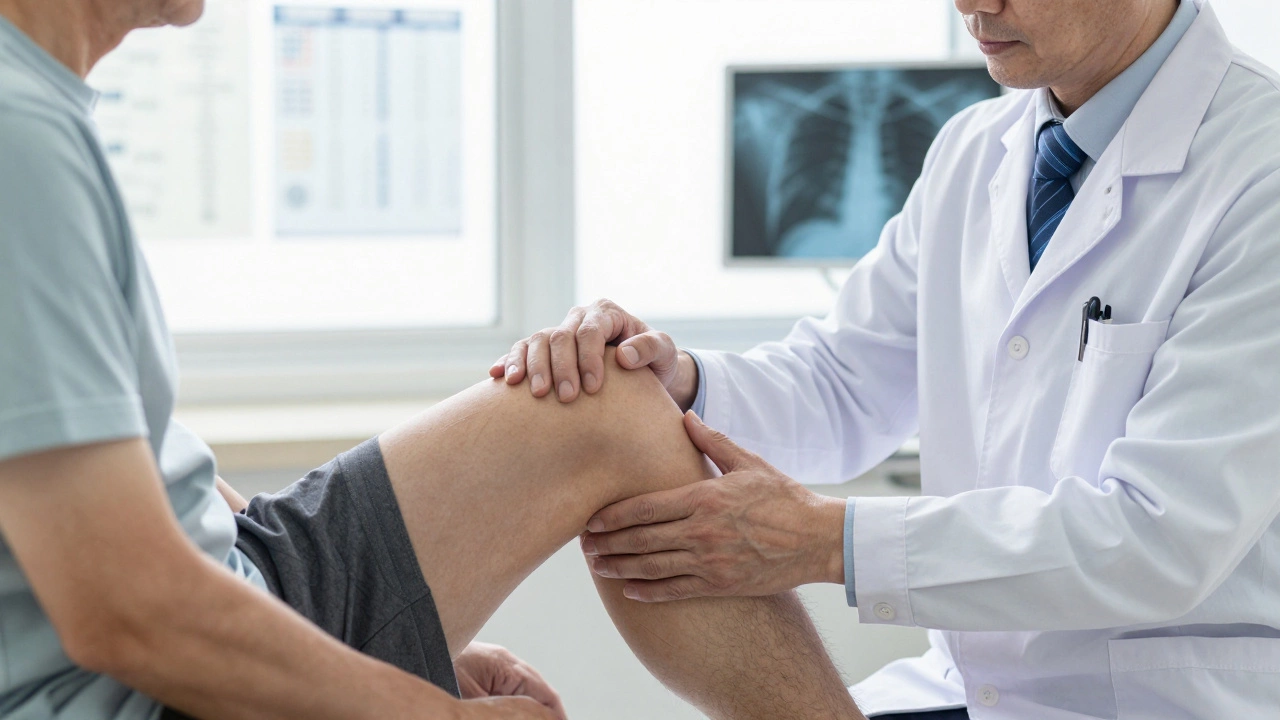
Can an Orthopedic Doctor Diagnose Arthritis? Here's What You Need to Know

Key Questions to Ask Your Orthopedic Doctor: Tips for a Productive Appointment
Get the most from your orthopedic visit: What symptoms to share, must-ask questions, and smart tips for a smooth, useful appointment.
Read MoreArchive
Categories

Most painful surgeries: top two procedures explained
Discover which two surgeries cause the most pain, why they’re so intense, and how patients manage recovery after heart operations.

Exploring the Negative Impacts of Medical Tourism on Healthcare Systems
Medical tourism, while beneficial for patients seeking affordable care, can have negative impacts on the home and host countries' medical systems. The influx of foreign patients might strain local healthcare resources and affect service quality. Health tourists sometimes bring communicable diseases, which can spread in the community, posing public health challenges. Ethical issues arise when medical tourism prioritizes foreign patients over locals, leading to healthcare inequality. Addressing these issues requires balanced health policies and international cooperation.

5 Main Types of Supplements: Health Benefits, Safety, and Science You Need to Know
Curious about supplements? Discover the five main types, their benefits, science, and safety tips, with key facts and practical advice to help you make informed choices.

Prettiest Hospital in the US: Where Healing Feels Like a Vacation
Ever wondered if you could feel relaxed and inspired during a hospital stay? Some U.S. hospitals don’t just heal bodies; they wow visitors with their looks. This article looks at the most beautiful hospital in the States, how its design makes a real difference, and why medical tourists flock there. Find honest tips if you’re thinking about getting treatment in a place that feels more like a resort than a clinic. If you want comfort, Instagrammable views, and top-notch healthcare rolled into one, you’re in the right spot.

Effective Strategies to Shed 20 Pounds in 3 Months
Shedding 20 pounds in three months is achievable with the right strategies and mindset. This article guides you through a step-by-step approach, including tips on diet transformations, effective exercise routines, and lifestyle adjustments. Focusing on gradual but steady changes ensures sustainable weight loss without compromising health. Learn how a balanced approach can support your goal of a healthier lifestyle. Explore insights from successful transformations and expert recommendations to empower your journey.