Is IVF too expensive? Get a real-world breakdown of IVF costs, from base fees and hidden extras like PGT-A to insurance tips and ways to find financial aid.
Read MoreTag: IVF insurance coverage

How Much Does IVF Actually Cost? A Real-World Breakdown
Archive
Categories

Understanding the Painful Reality of Broken Bones: Which Hurts the Most?
Breaking a bone not only disrupts daily life but also brings intense pain. While some fractures are more notorious for their agony, such as femur or rib breaks, the severity can also depend on the person and circumstances. Factors such as nerve density, the bone's role in movement, and surrounding tissues contribute to the pain intensity. Exploring the various types of common fractures helps in comprehending which are among the most painful and why.

How Painful Are IVF Shots? Real Experiences and What to Expect
IVF shots aren't as painful as most expect - most people feel only a quick pinch. Learn what the injections really feel like, how to reduce discomfort, and why the emotional weight matters more than the needle.

How Long Does Knee Replacement Pain Last? Real Recovery Timeline
Knee replacement surgery is a big step, but what most people really want to know is—how long will the pain last? This article breaks down what to expect when it comes to pain after knee replacement, with real-world timelines and comfort tips. Learn why some people bounce back quickly while others take a bit longer, and get honest advice for managing discomfort. Find out which milestones tell you that things are finally getting better. Straightforward answers backed by real recovery stories.

Life After Heart Surgery: Recovery, Expectations, and Real-Life Tips
How does life change after heart surgery? Dive into recovery tips, emotional aspects, practical lifestyle changes, and what to actually expect in daily life post-surgery.
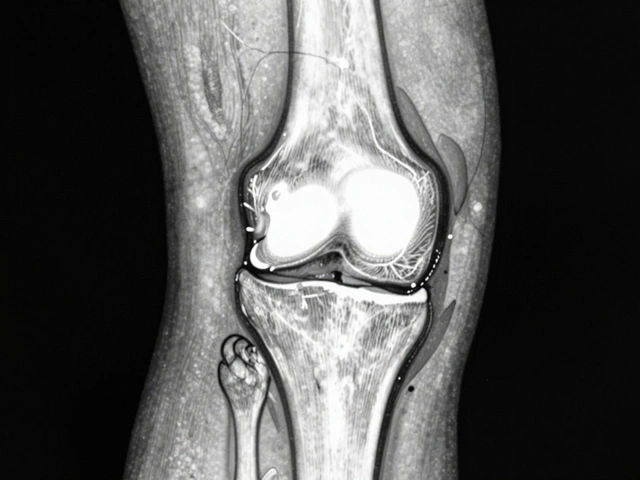
Can You See Arthritis on an MRI? What Doctors Actually Look For
An MRI can reveal hidden signs of arthritis long before X-rays show damage. Learn what doctors look for, when it's needed, and how it changes treatment-without unnecessary fear or false assumptions.