Louise Brown, born in 1978, was the first IVF baby and remains the most famous. Her birth proved that conception outside the womb was possible, paving the way for millions of families today.
Read MoreIVF History: How In Vitro Fertilization Changed Family Building
When in vitro fertilization, a medical process where an egg is fertilized by sperm outside the body. Also known as IVF, it was once considered science fiction—now it’s helped over 8 million babies be born worldwide. The first IVF baby, Louise Brown, was born in 1978 in England. Her birth didn’t just make headlines—it rewrote what was possible in human reproduction. Before that, infertility was often seen as a dead end. Women with blocked tubes, low sperm counts, or unexplained fertility issues had few options. IVF changed that. It turned biology into a procedure, and hope into a plan.
Behind that first success were doctors Patrick Steptoe and Robert Edwards. They spent over a decade testing, failing, and refining their method. Edwards, a physiologist, studied how eggs matured outside the body. Steptoe, a gynecologist, developed the tiny laparoscopic tool to retrieve eggs without open surgery. Their work faced fierce criticism—some called it unnatural, even dangerous. But they kept going. By 1978, they had what no one else could: a healthy embryo placed in a womb, and a baby born nine months later. That moment didn’t just help one family. It opened the door for millions. Today, IVF isn’t just about getting pregnant—it’s about who can be a parent. Donor eggs, surrogates, same-sex couples, single parents—all these paths now exist because of that early breakthrough.
As IVF spread, so did its complexity. Success rates improved with better lab tech, hormone protocols, and genetic screening. Countries like India began offering affordable IVF, making it accessible to middle-class families. Ethical debates followed—embryo storage, selective reduction, designer babies—but the core truth stayed: IVF gave people control over a process once left to chance. Even the word "test tube baby" faded. People stopped seeing it as strange. It became normal. Today, nearly 1 in 50 babies in developed countries are conceived through IVF. And the history? It’s still being written. Every new study on egg freezing, every cheaper clinic in Mumbai, every parent who cries holding their IVF baby—those are the next chapters.
What you’ll find below are real stories and facts about IVF—from the first needle to the first smile. Whether you’re wondering about the pain of shots, who the biological mother really is, or if IVF babies are healthy, these posts answer the questions you didn’t know to ask.
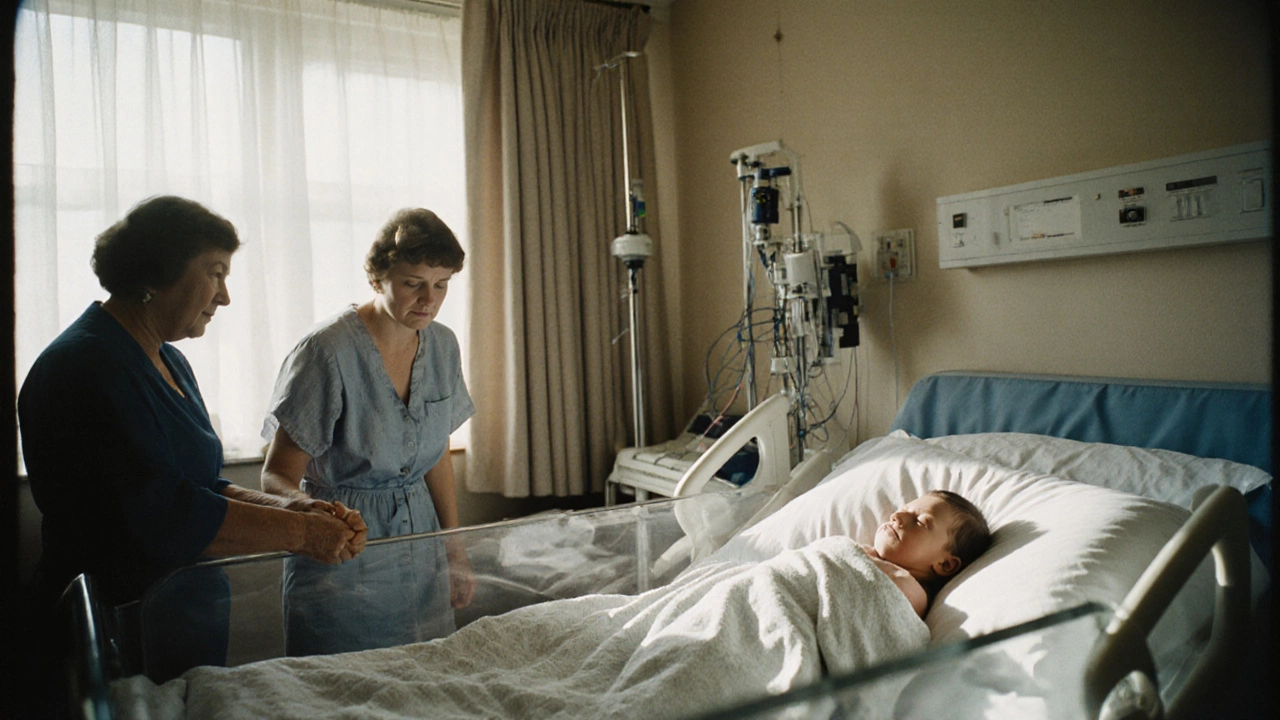
Who Is the Most Famous IVF Baby? The Story Behind Louise Brown and Her Legacy
Archive
Categories

How Long Can Cancer Go Undetected? Real Risks, Signs & Survival
Could cancer be hiding in your body for years without you knowing? Here’s what science says about how long you can live with undetected cancer and what signs to watch for.

Do They Still Break Your Ribs for Open-Heart Surgery?
Wondering if open-heart surgery still involves breaking ribs? Explore the fascinating advances in heart surgery techniques that have rendered many traditional practices obsolete. Discover the modern alternatives now available, the risks involved, and what to expect during recovery. An essential read for anyone curious about cutting-edge medical procedures and heart health.

Who Should Avoid Using Ashwagandha?
Though ashwagandha is often hailed as a wonder herb in Ayurvedic medicine, it's not suitable for everyone. People should avoid it in certain situations, like during pregnancy, when experiencing certain medical conditions, or while taking specific medications. It's essential to know who should steer clear of this herb to prevent potential side effects. This article provides insights into who should use caution with ashwagandha and why.

5 Main Types of Supplements: Health Benefits, Safety, and Science You Need to Know
Curious about supplements? Discover the five main types, their benefits, science, and safety tips, with key facts and practical advice to help you make informed choices.

Does Your Body Ever Fully Recover from Chemotherapy?
A lot of people wonder if the body can bounce back after chemo, or if some damage is permanent. This article breaks down what really happens inside you after treatment ends, which changes can heal on their own, and which ones might stick around. You'll also find tips for making recovery smoother and signs to watch for if things don’t feel quite right. This isn’t just medical jargon, but practical info from real experiences. Read on if you or someone close to you has questions about life after chemo.