
Mental Health Early Warning Signs Checker
This tool helps you recognize patterns in your recent behavior and feelings. Select all statements that apply to you over the last two weeks. This is not a diagnosis but a guide for self-reflection.
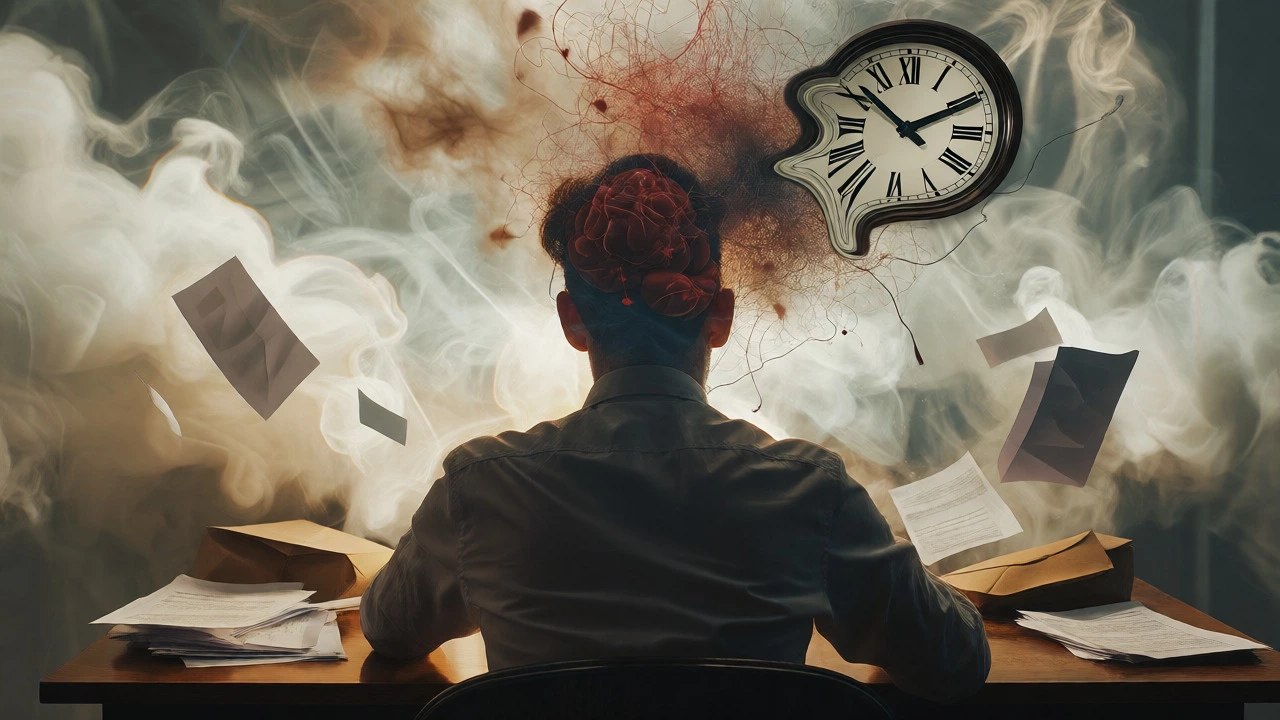
You wake up, and the ceiling feels heavier than usual. The coffee doesn't hit right. You stare at your inbox for twenty minutes before typing a single word. Is this just a bad Tuesday? Or is something deeper shifting beneath the surface?
Most of us ignore the early whispers of deteriorating mental health because they feel ambiguous. We blame lack of sleep, work stress, or a rainy week in London. But when these vague feelings start clustering together, they become data points. Recognizing them isn't about labeling yourself; it's about catching a drift before you're swept out to sea.
| Category | What It Looks Like | Why It Matters |
|---|---|---|
| Emotional | Irritability, numbness, sudden crying spells | Signals emotional regulation failure |
| Cognitive | Brain fog, indecisiveness, rumination | Indicates cognitive load overload |
| Physical | Sleep disruption, appetite changes, fatigue | Body-mind connection breakdown |
| Behavioral | Withdrawal, procrastination, substance use | Coping mechanisms are failing |
The Emotional Shift: When Feelings Stop Making Sense
It’s rarely a dramatic explosion. Usually, it’s a slow erosion of patience. You snap at a colleague for breathing too loudly. A song that used to make you happy now makes you feel nothing. This flatness, known as anhedonia, is one of the most reliable markers of depression.
But irritability is often mistaken for personality. If you find yourself angry over minor inconveniences-like a delayed bus or a typo in an email-that’s not just 'having a day.' That’s your nervous system stuck in fight-or-flight mode. Your threshold for stress has dropped. Think of it like a phone battery that drains from 100% to 0% in an hour instead of lasting all day. You’re running on empty, and every interaction costs more energy than it should.
Another subtle sign is emotional volatility. One minute you’re fine, the next you’re overwhelmed by sadness without a clear trigger. This unpredictability suggests your internal regulatory systems are struggling to maintain balance. Pay attention to the gap between what happens and how you react. If the reaction feels disproportionate, listen to it.
Cognitive Fog and Decision Paralysis
Your brain is an organ, not a cloud server. It needs resources to function. When mental health declines, cognitive performance drops first. You might notice you’re reading the same paragraph three times. Or you spend forty-five minutes choosing what to eat for dinner, paralyzed by options that used to be trivial.
This isn’t laziness. It’s executive dysfunction. The prefrontal cortex, responsible for planning and focus, gets hijacked by stress hormones like cortisol. Tasks that took ten minutes now take an hour. You start forgetting appointments, losing keys, or missing deadlines. In a professional setting, this looks like underperformance. In personal life, it looks like chaos.
Rumination is another cognitive trap. Instead of solving a problem, you replay it. Over and over. At 3 AM, you’re analyzing a conversation from 2014. This loop consumes mental bandwidth, leaving little room for creativity or joy. If you can’t turn off the internal monologue, your mind is signaling distress.
Physical Symptoms You Can’t Ignore
The body keeps the score. Long before you admit you’re struggling mentally, your physical state screams it. Sleep disturbances are the loudest alarm bell. Insomnia-where you lie awake racing thoughts-is common. But so is hypersomnia, where you sleep nine hours and still wake up exhausted. Both indicate disrupted circadian rhythms driven by anxiety or depression.
Appetite changes follow suit. Some people lose interest in food entirely; others crave sugar and carbs as quick dopamine hits. Neither pattern is sustainable. Weight fluctuation without intentional dieting is a red flag. Then there’s psychosomatic pain. Unexplained headaches, tight chests, or digestive issues often have no medical cause but correlate strongly with high stress levels.
Fatigue is different from tiredness. Tiredness goes away after rest. Fatigue persists. You feel heavy, sluggish, and physically drained even after a nap. This chronic exhaustion is a hallmark of burnout, a state of emotional, physical, and mental exhaustion caused by excessive and prolonged stress.
Behavioral Changes and Social Withdrawal
How do you act when things get hard? Do you reach out, or do you hide? Withdrawal is a classic defense mechanism. You cancel plans last minute. You stop texting friends back. You prefer solitude not because you enjoy it, but because social interaction feels like climbing Everest.
Procrastination also spikes. Not the fun kind, but the paralyzing kind. You avoid starting projects because the perceived effort outweighs the reward. This avoidance creates a backlog, which increases anxiety, leading to more avoidance. It’s a vicious cycle.
Substance use can creep in subtly. Maybe you’re having two glasses of wine to unwind instead of one. Or you’re scrolling through social media for four hours a day to numb out. These aren’t necessarily addictions yet, but they are coping strategies that mask the underlying issue rather than addressing it. If you rely on external stimuli to feel normal, check your baseline.

The Impact on Daily Functioning
The ultimate test isn’t how you feel inside-it’s how you function outside. Are you meeting your basic responsibilities? Hygiene, work deadlines, household chores. When mental health deteriorates, maintenance tasks slip. Laundry piles up. Bills go unpaid. Work quality drops.
In relationships, this manifests as distance. Partners may complain that you’re 'checked out' or 'cold.' You might interpret their concern as criticism, leading to conflict. This isolation worsens the condition, creating a feedback loop of loneliness and despair.
Consider the duration. Everyone has a bad week. But if these signs persist for more than two weeks, it’s no longer a blip. It’s a trend. According to guidelines from the National Institute for Health and Care Excellence (NICE), persistent low mood and loss of interest are key criteria for clinical assessment.
When to Seek Professional Help
Self-diagnosis has limits. You know your baseline better than anyone, but you lack objectivity. If you recognize multiple signs from this list, consider speaking to a therapist or GP. Early intervention yields better outcomes. Therapy isn’t just for crises; it’s for navigation.
Look for patterns, not isolated incidents. One bad night means nothing. Three bad nights in a row, combined with withdrawal and fatigue, means something. Track your moods using a simple app or journal. Data helps you see the trajectory clearly.
Remember, acknowledging the signs isn’t admitting defeat. It’s gathering intelligence. The sooner you spot the drift, the easier it is to steer back toward calm.
Is it normal to feel depressed sometimes?
Yes, feeling sad or unmotivated occasionally is part of being human. However, if these feelings persist for more than two weeks and interfere with daily life, it may indicate a clinical issue requiring attention.
Can physical exercise help improve mental health signs?
Absolutely. Regular moderate exercise releases endorphins and reduces cortisol levels. Even a 20-minute walk can alleviate symptoms of mild anxiety and depression by improving blood flow to the brain.
What is the difference between stress and anxiety?
Stress is typically a response to a specific external pressure and subsides when the pressure ends. Anxiety is a persistent state of worry or fear that continues even in the absence of immediate threats, often accompanied by physical symptoms.
How long does it take to recover from deteriorating mental health?
Recovery varies widely depending on the individual, the severity of symptoms, and the support system in place. With proper therapy and lifestyle changes, many people see significant improvement within a few months.
Do men show different signs of mental health decline?
Societal norms often discourage men from expressing vulnerability, so they may exhibit irritability, anger, risk-taking behavior, or substance abuse rather than overt sadness or crying.