Natural Birth Possibility Checker
Use this tool to evaluate common medical markers. Note: This is an educational tool and not a medical diagnosis. Always consult your OB-GYN.
Evaluation Factors
Assessment Result
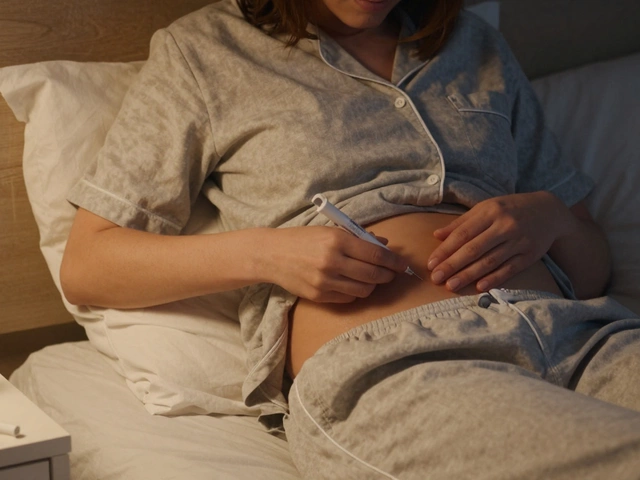
You've spent months-maybe years-going through the emotional rollercoaster of fertility treatments. You've dealt with the injections, the ultrasounds, and the anxious waiting. Now that you're finally pregnant, a new question pops up: does the way you conceived change how you deliver? There is a common myth that if a baby is made via a lab, they have to be delivered via a surgical incision. But here is the reality: the method of conception doesn't dictate the method of birth.
Key Takeaways
- Yes, babies conceived through IVF can be delivered vaginally.
- C-section rates are slightly higher in IVF pregnancies, often due to maternal age or multiple births rather than the IVF process itself.
- Medical necessity, not the conception method, determines the delivery path.
- Healthy weight gain and blood pressure management are the primary drivers of a successful natural birth.
The Short Answer: Yes, You Can
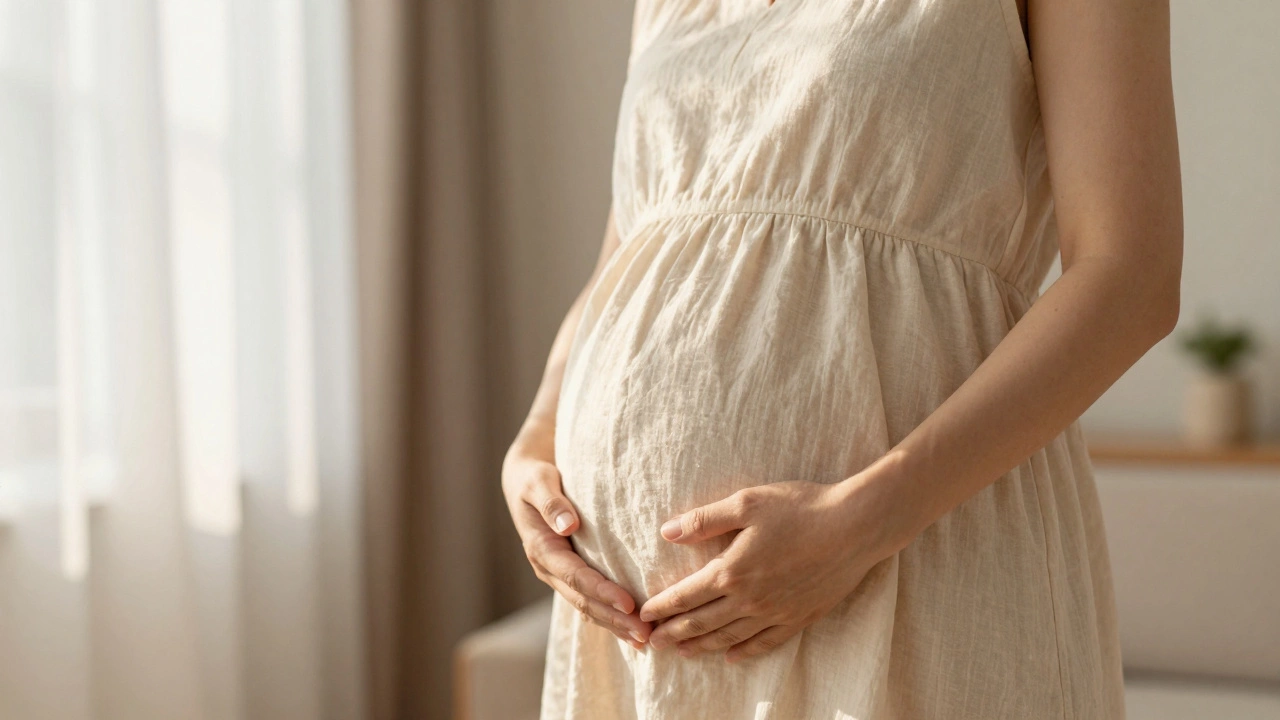
Let's get the biggest worry out of the way first. There is nothing about the In Vitro Fertilization process-the fertilization of an egg by a sperm outside the body-that physically prevents a woman from having a vaginal birth after IVF. Once the embryo implants in the uterus and the pregnancy progresses, the biological mechanics of labor and delivery are exactly the same as they are for a naturally conceived pregnancy.
If your pelvis is shaped correctly, your baby is in the right position, and your health is stable, your body doesn't "know" or care that the baby started in a petri dish. The uterus expands, the cervix dilates, and the baby moves through the birth canal just like any other birth. For the vast majority of women, the goal of a natural delivery is entirely achievable.
Why Do People Think IVF Requires C-Sections?
If natural birth is possible, why is there so much confusion? It usually comes down to a few specific factors that often overlap with IVF treatments. It isn't the "science" of the IVF that leads to more surgeries; it's the context surrounding the pregnancy.
First, consider the age factor. Many people pursue IVF later in life. Older mothers are statistically more likely to have conditions like Gestational Diabetes or Preeclampsia, both of which can lead a doctor to recommend a C-section for the safety of the mother and baby.
Second, there's the issue of multiples. In the past, it was common to transfer multiple embryos to increase the chance of success. Twins or triplets significantly increase the likelihood of a Cesarean Section because of the physical space constraints in the uterus or the risk of the babies being in breech positions. However, with the modern shift toward Single Embryo Transfer (SET), this risk has dropped significantly.
| Factor | Natural Conception | IVF Conception | Impact on Delivery |
|---|---|---|---|
| Uterine Environment | Standard | Standard | None |
| Maternal Age | Variable | Often Higher | Increases C-section risk |
| Multiple Births | Occasional | Higher (historically) | High risk of surgical birth |
| Placental Position | Random | Random | Can necessitate C-section |
Factors That Actually Influence Your Delivery Method
Instead of worrying about the IVF part, it's more helpful to look at the actual medical markers that doctors use to decide if a natural birth is safe. These are the same markers used for every pregnant woman, regardless of how she got pregnant.
- Baby's Position: If the baby is head-down (vertex), a vaginal birth is the standard goal. If the baby is breech (buttocks or feet first) or transverse (sideways), a C-section is usually required because the baby cannot safely navigate the birth canal.
- Placenta Location: A condition called Placenta Previa, where the placenta covers the cervix, makes a vaginal birth impossible and dangerous. This is a random occurrence and not caused by IVF.
- Fetal Size: If the baby's estimated weight is too high (macrosomia), the doctor may worry about the baby getting stuck in the pelvis, which could lead to a surgical delivery.
- Labor Progress: Sometimes, labor starts naturally but "stalls." If the cervix doesn't dilate or the baby doesn't descend, a C-section becomes the safest option to prevent fetal distress.

Managing the "Precious Pregnancy" Mindset
There is a psychological component to IVF pregnancies that often influences delivery decisions. When you've fought so hard for a baby, the fear of anything going wrong can be overwhelming. This often leads to a "precious pregnancy" mindset, where both the parents and the doctors are extra cautious.
You might find your doctor suggesting a C-section not because of a medical necessity, but as a way to minimize risk. While this comes from a place of care, it's worth having an honest conversation about your desires. Ask your provider: "Is this a medical necessity, or is this a precaution?" Knowing the difference allows you to make an informed choice about whether you want to attempt a natural birth or opt for the predictability of a scheduled surgery.
Tips for Aiming for a Natural Birth After IVF
If your goal is a vaginal delivery, there are things you can do to support your body. While you can't control everything, focusing on these areas can help improve your odds.
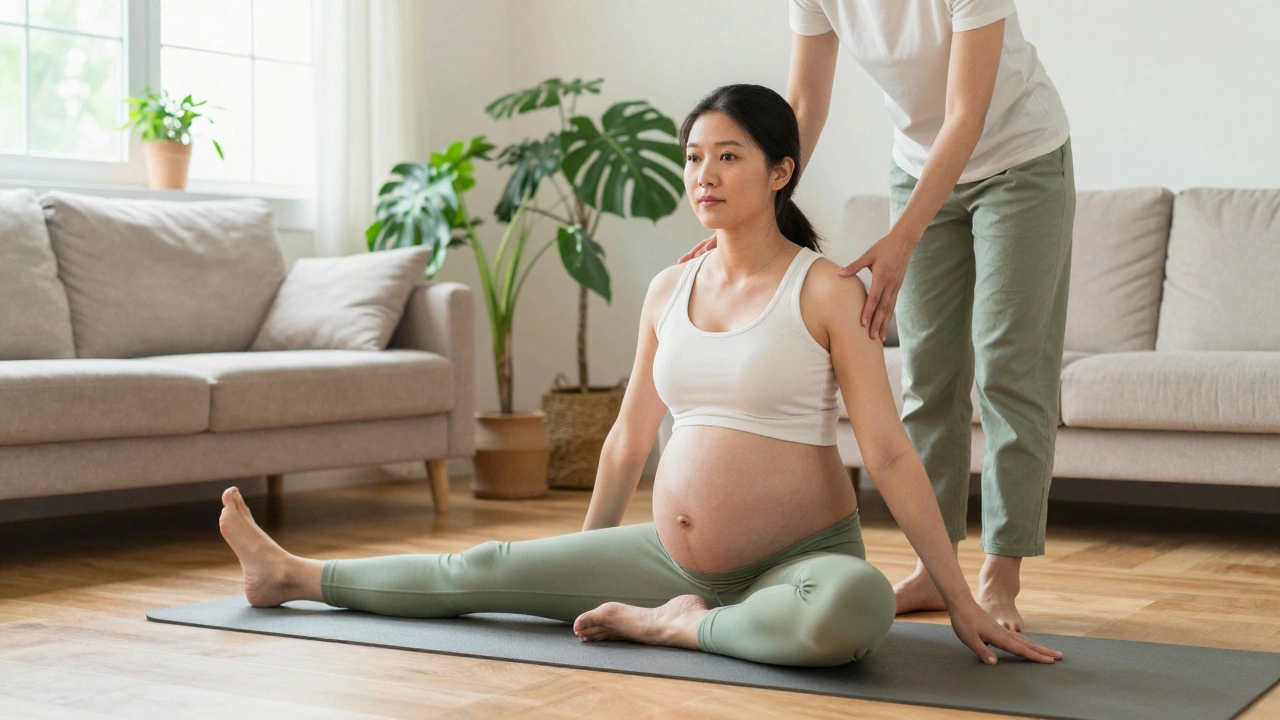
First, stay active. Walking and prenatal yoga can help keep your pelvis flexible and may encourage the baby to drop into the optimal position. Second, monitor your nutrition. Avoiding excessive weight gain helps prevent gestational diabetes, which in turn keeps the baby's size manageable for a vaginal birth.
Third, consider a Doula. Having a birth coach can provide the emotional support and physical positioning techniques that help labor progress more effectively. They can help you navigate the hospital environment and advocate for your birth plan while keeping the mood calm and positive.
When Is a C-Section Actually the Right Choice?
While natural birth is the goal for many, it's important to remember that a C-section is a tool for safety, not a failure. In some IVF cases, a scheduled C-section is genuinely the better path. For example, if you have a history of uterine surgery or if you are carrying triplets, the risks of a vaginal birth far outweigh the benefits.
Additionally, if you are experiencing severe Preeclampsia (high blood pressure during pregnancy), your doctor may decide that delivering the baby immediately via C-section is the only way to protect your organs and the baby's brain function. In these moments, the "how" of the delivery matters much less than the "health" of the outcome.
Does IVF increase the risk of complications during a natural birth?
Not directly. The IVF process itself doesn't make the act of vaginal birth more dangerous. However, because IVF pregnancies are often associated with higher maternal age or multiple births, there is a slightly higher statistical risk of complications like preeclampsia or premature birth, which may lead to a C-section.
Will my insurance cover a natural birth if I had IVF?
Yes. Insurance coverage for delivery is based on the medical delivery method, not the method of conception. Whether you conceived naturally or through IVF, your prenatal and delivery coverage remains the same.
Can I have an epidural during a natural birth after IVF?
Absolutely. An epidural is a pain management tool for labor and is completely independent of how the baby was conceived. You have the same options for pain relief as any other pregnant woman.
Are IVF babies larger, making natural birth harder?
There is no evidence that IVF babies are inherently larger than naturally conceived babies. Baby size is determined by genetics and maternal health (like blood sugar levels), not by the fertilization method.
Is the recovery faster from a natural birth than a C-section for IVF moms?
Generally, yes. Vaginal delivery typically allows for a faster physical recovery and a quicker return to daily activities compared to the major abdominal surgery involved in a C-section, regardless of how the baby was conceived.
Next Steps for Your Birth Plan
If you're currently pregnant after IVF, the best thing you can do is start a dialogue with your OB-GYN early. Don't wait until the 38th week to discuss your delivery preferences. Tell them clearly that you are interested in a natural birth and ask what specific milestones you need to hit to make that a reality.
If you are feeling anxious, consider attending a childbirth education class. Learning about the stages of labor can demystify the process and give you more confidence. Remember, whether you deliver naturally or via C-section, the end result is the same: a healthy baby in your arms. The journey to get there was a miracle of science; the delivery is just the final step of that journey.