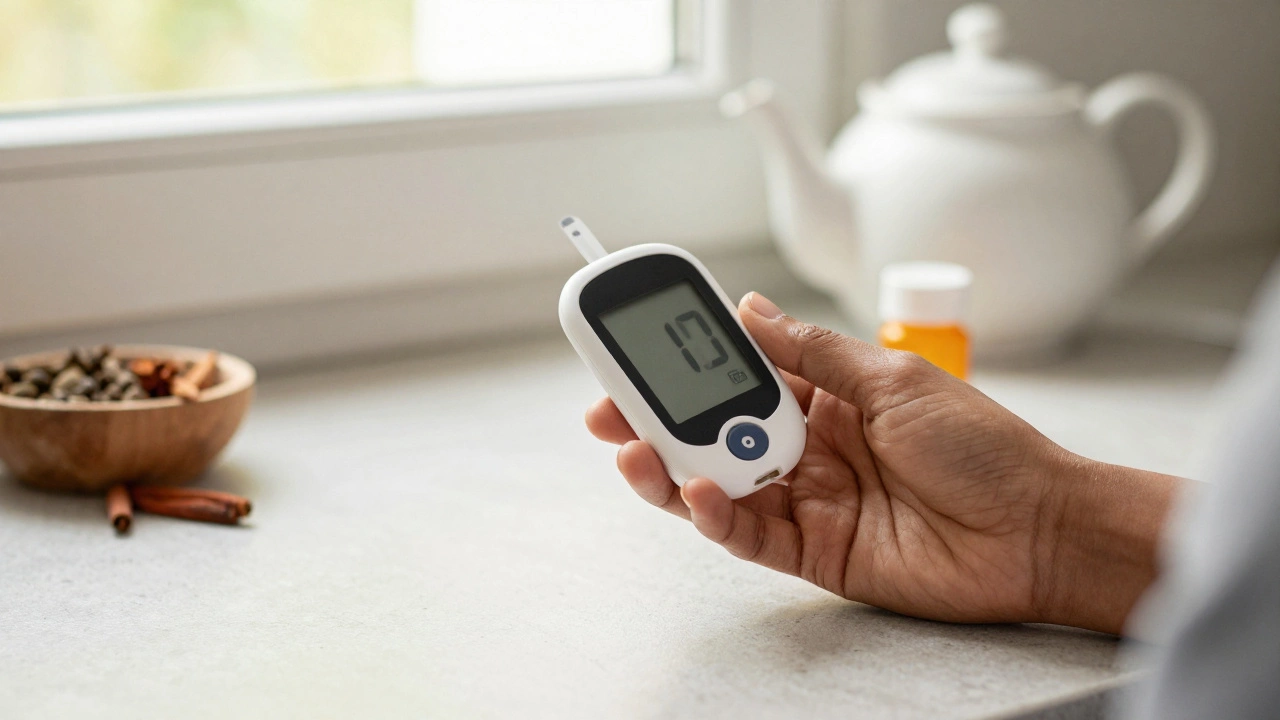
Metformin Weight Loss Calculator
Calculate Your Potential Weight Loss
Based on clinical studies showing metformin typically causes 2-5kg weight loss over 6 months for type 2 diabetes patients
Important: This calculator estimates weight loss based on scientific studies. Actual results may vary. Metformin is approved only for type 2 diabetes management - not for weight loss without diabetes.
Metformin isn't designed for weight loss-but if you're taking it for type 2 diabetes, you might notice the scale moving. This common medication helps control blood sugar, but it also has a side effect many welcome: weight loss. Let's unpack what science says about metformin and weight changes.
metformin is a medication first approved in the 1950s. It's primarily used to treat type 2 diabetes by lowering blood sugar levels. The drug works in two main ways: it reduces glucose production in the liver and improves how your body responds to insulin. Also known as Glucophage, it's one of the most prescribed diabetes medicines worldwide. Originally developed from the French lilac plant in 1922, metformin became widely used in the 1990s after studies confirmed its safety and effectiveness for diabetes management.
Studies show people taking metformin for diabetes typically lose 2 to 5 kilograms (about 4 to 11 pounds) over six months. A 2019 study in Diabetes Care followed 1,000 adults with type 2 diabetes. Those on metformin lost an average of 3.2 kg compared to those on a placebo. This isn't dramatic weight loss, but it's significant for blood sugar control. Research from the University of Cambridge found that metformin reduces hunger signals in the brain. Participants in a 2021 study reported feeling fuller after meals when taking metformin, leading to reduced calorie intake.
The exact reason for weight loss isn't fully understood, but experts believe metformin reduces appetite and may slightly slow down digestion. This leads to eating less. It also improves insulin sensitivity, which helps prevent the body from converting excess calories into fat. For example, when insulin works better, your body doesn't store as much fat after meals. A 2022 review in Diabetologia confirmed this mechanism: metformin lowers insulin levels, reducing fat storage and increasing fat burning.
Metformin vs GLP-1 Agonists for Weight Loss
Many people confuse metformin with newer weight loss drugs like Ozempic (semaglutide). Here's how they compare:
| Feature | Metformin | GLP-1 Agonists (e.g., Ozempic) |
|---|---|---|
| Weight loss effect | 2-5 kg on average | 5-15 kg on average |
| Primary use | Type 2 diabetes management | Type 2 diabetes and obesity |
| Approval for weight loss | No | Yes (for obesity) |
| Common side effects | Stomach issues, diarrhea | Nausea, vomiting |
| Prescription status | First-line diabetes treatment | Requires specific obesity diagnosis |
| Cost (monthly) | $5-$20 (generic) | $800-$1,000 |
| Dosage form | Oral tablets | Weekly injection |
GLP-1 agonists like Ozempic work differently. They mimic gut hormones that reduce appetite and slow digestion. This leads to more significant weight loss than metformin. However, they're more expensive and require injections. Metformin remains a first-choice option for diabetes because it's affordable, effective for blood sugar control, and has a long safety record. In the UK, NICE guidelines recommend metformin as the initial treatment for type 2 diabetes due to its proven benefits and low cost.
Side Effects and Safety Considerations
While metformin is generally safe, it's not without risks. Common side effects include stomach upset, diarrhea, and gas. These usually improve after a few weeks. Long-term use of metformin can lower vitamin B12 levels by up to 30%, which may cause fatigue or nerve damage. Doctors often recommend B12 supplements for patients on metformin for more than two years. Less common but serious risks include lactic acidosis-a rare condition where lactic acid builds up in the blood. People with kidney problems or severe heart failure should avoid metformin. Always discuss your full medical history with your doctor before starting this medication.
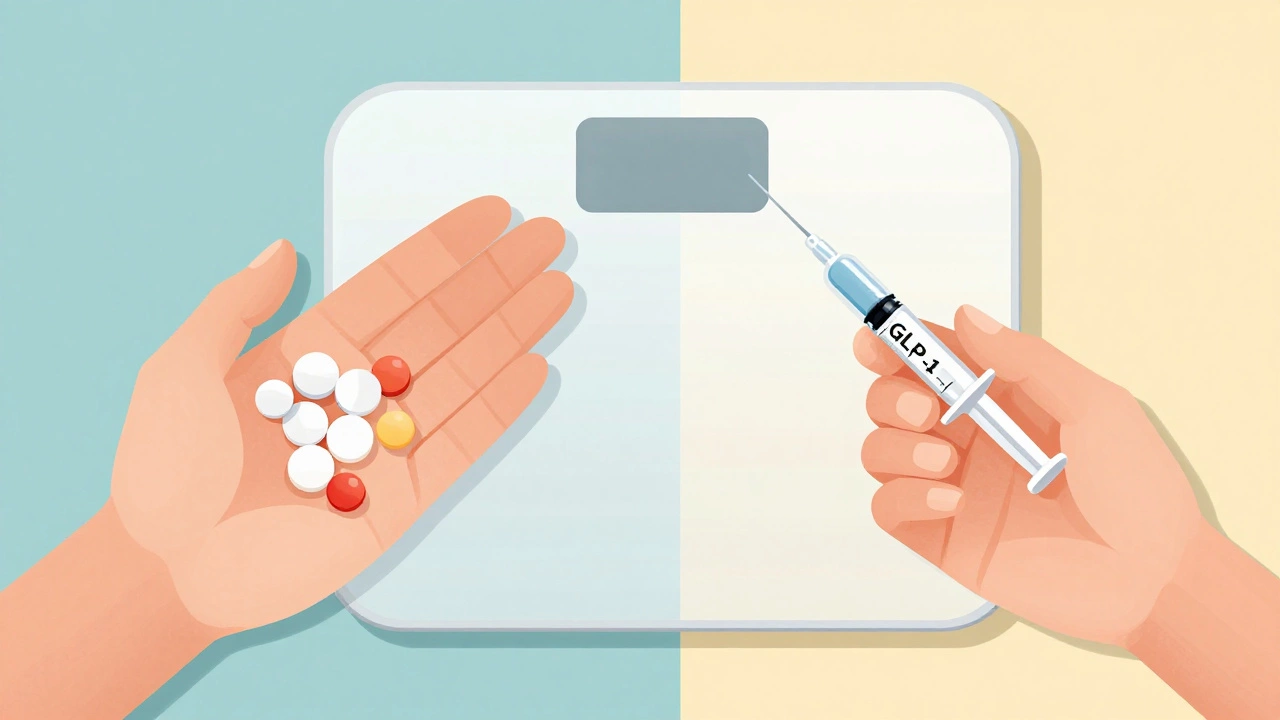
Why Metformin Isn't for Weight Loss Without Diabetes
Some people try to use metformin for weight loss even without diabetes. This is dangerous. The drug isn't approved for this purpose, and there's no evidence it works well for non-diabetic individuals. In fact, a 2023 report in the British Medical Journal highlighted cases of lactic acidosis in otherwise healthy individuals who self-medicated with metformin. In the UK, NICE guidelines explicitly state that metformin should only be prescribed for diabetes or PCOS. Using it off-label for weight loss could lead to legal issues and health risks. For non-diabetic weight loss, lifestyle changes like balanced nutrition and regular exercise are safer and more effective.

Frequently Asked Questions
Can I take metformin to lose weight if I don't have diabetes?
No. Metformin is only approved for treating type 2 diabetes and polycystic ovary syndrome (PCOS). Using it for weight loss without a diabetes diagnosis is not safe and not recommended by doctors. It can cause side effects like vitamin B12 deficiency or lactic acidosis in people without diabetes.
How much weight can I lose on metformin?
Most people with type 2 diabetes lose between 2 to 5 kilograms (4 to 11 pounds) over six months. However, this varies widely. Some may lose more, others less. It's not a guaranteed weight loss drug-its primary purpose is blood sugar control.
Is metformin better than Ozempic for weight loss?
For weight loss alone, Ozempic is more effective. Clinical trials show Ozempic users lose 5-15 kg on average, compared to metformin's 2-5 kg. However, Ozempic is prescribed specifically for obesity or diabetes with weight loss goals, while metformin is primarily for diabetes management. Always follow your doctor's advice.
Does metformin work for PCOS-related weight gain?
Yes. Metformin is commonly prescribed for PCOS to improve insulin resistance. Many women with PCOS report modest weight loss (around 2-3 kg) when taking metformin. However, lifestyle changes like diet and exercise remain essential for managing PCOS-related weight issues.
What should I do if I experience side effects from metformin?
If you have stomach issues, try taking metformin with food. If symptoms persist, contact your doctor. They may adjust your dose or switch you to an extended-release version. Never stop taking metformin without medical advice-sudden discontinuation can worsen blood sugar control.
Can I stop taking metformin once my blood sugar improves?
Only under your doctor's guidance. Type 2 diabetes is a chronic condition. Even if your blood sugar normalizes, stopping metformin without medical advice can cause it to return. Lifestyle changes like diet and exercise are crucial for long-term management, but medication adjustments must be supervised by a healthcare provider.