Cancer Survival Rate & Curability Explorer
Explore the data behind "curable" cancers and test your understanding of prognosis factors.
Select a cancer type above to view detailed survival statistics and treatment insights.
Knowledge Check: Myths vs. Facts
1. Which factor is cited as the single biggest predictor of whether a cancer is curable?
2. Why is Testicular Cancer considered one of the most curable cancers?
3. What does "active surveillance" typically mean in the context of Prostate Cancer?
You hear the word "cancer" and your mind instantly jumps to worst-case scenarios. It’s a natural reaction. But here is a fact that often gets buried under the fear: not all cancers are death sentences. In fact, for certain types, the survival rates are so high that doctors talk about them as manageable conditions rather than fatal diseases. So, which cancer is 100% curable? The honest answer is tricky because medicine rarely deals in absolutes like "100%." However, if we look at data from the National Cancer Institute and global health standards, some cancers come incredibly close.
When patients ask me this question, they are usually looking for hope or clarity on a diagnosis. They want to know if there is a type of cancer where the odds are overwhelmingly in their favor. While no doctor can guarantee a perfect outcome for every single person due to biological variability, specific cancers have five-year survival rates hovering between 95% and 99%. That is effectively a functional cure for the vast majority of people diagnosed. Let’s break down which ones these are, why they are so treatable, and what you need to know to maximize those chances.
The Myth of Absolute Certainty
First, let’s clear up the terminology. When oncologists say a cancer is "curable," they typically mean it has been eliminated from the body with no signs of return after a set period, usually five years. If you are disease-free after five years, the likelihood of recurrence drops significantly. Is it literally 100%? Statistically, almost. For many patients, the cancer never comes back. But biology is messy. A tiny cluster of cells might hide somewhere, dormant for a decade. That is why we use percentages instead of absolutes.
However, distinguishing between "treatable" and "curable" is vital. Treatable means you manage it like diabetes-keeping it in check forever. Curable means you get rid of it completely. The cancers we will discuss today fall into the latter category for most patients. This distinction changes how you approach treatment, recovery, and long-term monitoring.
Testicular Cancer: The High-Survival Outlier
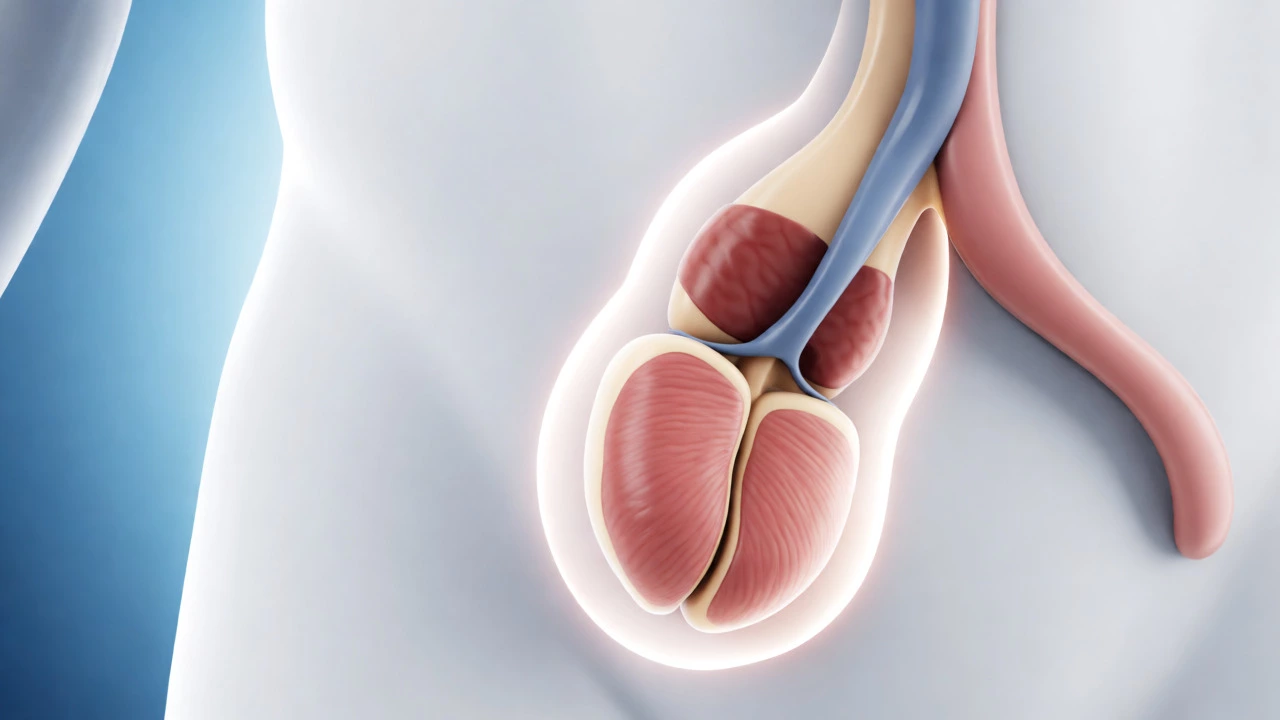
If you are looking for the closest thing to a 100% curable cancer, testicular cancer is likely your best candidate. It is a malignancy arising from germ cells in the testes, highly sensitive to chemotherapy and radiation. According to the American Cancer Society, the five-year relative survival rate for localized testicular cancer is approximately 99%. Even when it spreads to distant parts of the body, the survival rate remains surprisingly high, often above 70%.
Why is it so successful? Two main reasons. First, testicular cancer tends to affect younger men, generally between ages 15 and 35. Younger bodies tolerate aggressive treatments better. Second, the cells involved are extremely sensitive to cisplatin-based chemotherapy. Unlike lung or pancreatic cancers, which develop resistance mechanisms quickly, testicular cancer cells often die off rapidly when hit with standard chemo protocols.
Consider the case of Lance Armstrong. Diagnosed with advanced testicular cancer that had spread to his brain and lungs, he underwent surgery and chemotherapy. Today, decades later, he is still alive. His story isn’t unique; it is representative of the modern era of treatment. If caught early, a simple orchidectomy (removal of the affected testicle) is often the only treatment needed. No chemo. No radiation. Just surgery and regular check-ups.
Thyroid Cancer: Slow-Moving and Manageable
Another contender for the title of "most curable" is thyroid cancer. A cancer originating in the thyroid gland, predominantly papillary and follicular types, known for its slow growth and excellent prognosis. The five-year survival rate for localized thyroid cancer is nearly 100%. Yes, you read that right. Nearly everyone diagnosed with early-stage thyroid cancer survives past the five-year mark.
Most thyroid cancers are papillary carcinomas. These grow slowly. Sometimes, they are discovered incidentally during an ultrasound for something else entirely. Because they move so slowly, doctors have time to plan precise interventions. Surgery to remove part or all of the thyroid gland is the primary treatment. Often, this is followed by radioactive iodine therapy, which targets any remaining thyroid tissue or cancer cells without harming other organs.
But here is the catch: while survival is near-perfect, quality of life requires management. Patients often need to take levothyroxine daily to replace thyroid hormones. It becomes a lifelong medication routine, similar to managing hypothyroidism. So, while the cancer is cured, the patient must adapt to a new normal. Yet, compared to the grueling side effects of other cancer treatments, this is a minor inconvenience for a guaranteed second chance at life.
Early-Stage Breast Cancer: The Power of Screening
Breast cancer gets a lot of attention, but the narrative often skews toward the advanced stages. When we talk about curability, we must specify the stage. For Stage I breast cancer, the five-year survival rate is over 99%. This makes it one of the most curable major cancers, provided it is caught before it spreads beyond the breast.
Mammography screening has revolutionized this statistic. Before widespread screening, many women presented with larger tumors that had already invaded lymph nodes. Today, we detect micro-calcifications and small lumps. Treatment has also become more personalized. Instead of a one-size-fits-all approach, doctors analyze tumor genetics. Hormone receptor-positive tumors respond well to endocrine therapies like tamoxifen or aromatase inhibitors. HER2-positive tumors benefit from targeted drugs like trastuzumab. This precision medicine approach drastically reduces the chance of recurrence.
It is worth noting that triple-negative breast cancer is harder to treat and has lower survival rates. So, when someone says "breast cancer is curable," they are usually referring to the hormone-receptor-positive subtypes, which make up the majority of cases. Always ask your oncologist about the specific subtype and stage. Generalizations can be misleading.

Hodgkin Lymphoma: The Success Story of Oncology
Hodgkin lymphoma is a cancer of the lymphatic system characterized by Reed-Sternberg cells, highly responsive to combined modality therapy. It is often cited as one of the great success stories of modern medicine. The overall five-year survival rate is around 86%, but for young adults aged 20-34, it exceeds 95%. For children, it is even higher.
The reason for this success lies in the biology of the disease. Hodgkin lymphoma responds exceptionally well to radiation and chemotherapy combinations. Protocols like ABVD (Adriamycin, Bleomycin, Vinblastine, Dacarbazine) have remained largely unchanged for decades because they work. Doctors can tailor the intensity based on staging. Early-stage patients might get fewer cycles of chemo plus short-course radiation. Advanced-stage patients get more intensive regimens, yet still achieve high cure rates.
Survivors of Hodgkin lymphoma face late effects, such as increased risk of secondary cancers or heart issues due to radiation exposure. This is why follow-up care is critical. But again, the primary goal-eliminating the cancer-is achieved in the vast majority of cases. If you or a loved one faces this diagnosis, remember: this is not a terminal illness for most. It is a serious condition with a very high probability of full recovery.
Prostate Cancer: Living With vs. Beating It
Prostate cancer is common, affecting roughly one in eight men. But here is the nuance: most prostate cancers grow so slowly that men die with prostate cancer, not from it. The five-year relative survival rate for localized prostate cancer is essentially 100%. This doesn't mean everyone needs immediate treatment. Many men opt for "active surveillance," monitoring the cancer closely without surgery or radiation, since the risks of treatment might outweigh the benefits for slow-growing tumors.
When treatment is necessary, options include radical prostatectomy (surgery), radiation therapy, or hormone therapy. For localized disease, these methods are highly effective. The challenge arises with metastatic prostate cancer, where survival rates drop. But for the majority of diagnoses caught via PSA testing, the outlook is excellent. The key is understanding your Gleason score-a grading system that tells you how aggressive the cancer is. Low-grade tumors are practically harmless in terms of mortality risk.
Factors That Influence Your Cure Rate
So, what determines whether you fall into that 99% survival bracket or the unlucky few who don’t? It is not just luck. Several factors play a role:
- Stage at Diagnosis: This is the biggest predictor. Localized cancer is far more curable than metastatic cancer. Regular screenings save lives by catching cancer early.
- Tumor Biology: Some tumors are genetically aggressive. Others are lazy. Molecular profiling helps doctors predict behavior.
- Patient Health: Age, comorbidities, and overall fitness affect tolerance to treatment. A healthier body recovers faster and handles chemo better.
- Access to Care: Timely access to specialized centers improves outcomes. Delays in starting treatment can allow cancer to progress.
Also, consider lifestyle factors. Smoking, obesity, and poor diet can increase recurrence risks even after successful treatment. Maintaining a healthy weight and exercising regularly are proven strategies to improve survival rates in breast, colon, and prostate cancer survivors.

Comparing Survival Rates: A Quick Look
To put things in perspective, here is how these "highly curable" cancers stack up against others. Note that these are five-year relative survival rates for localized or regional stages, based on recent SEER database trends.
| Cancer Type | Localized Stage Survival | Primary Treatment | Key Success Factor |
|---|---|---|---|
| Testicular Cancer | ~99% | Surgery + Chemo | High sensitivity to cisplatin |
| Thyroid Cancer (Papillary) | ~99-100% | Surgery + RAI | Slow growth rate |
| Breast Cancer (Stage I) | >99% | Surgery + Targeted Therapy | Screening detection |
| Hodgkin Lymphoma | ~86-95% | Chemo + Radiation | Responsive cell type |
| Prostate Cancer (Localized) | ~100% | Surveillance/Surgery/Radiation | Indolent nature |
Compare this to Pancreatic Cancer, where the localized survival rate is around 44%, or Lung Cancer, which hovers around 65% for localized cases. The difference is stark. It highlights why early detection and specific tumor biology matter so much.
What "Cured" Really Means for You
Reaching the five-year mark is a milestone, but it is not the finish line. Long-term survivorship involves monitoring for late effects. For example, radiation to the chest for Hodgkin lymphoma can increase heart disease risk years later. Chemotherapy can cause neuropathy or fatigue that persists. Regular check-ups with your oncologist or primary care physician are non-negotiable.
Psychological recovery is equally important. "Scanxiety"-the anxiety felt before follow-up scans-is real. Many survivors struggle with fear of recurrence. Support groups, counseling, and open communication with your medical team help manage this mental burden. Remember, being a survivor is a new identity. It requires adapting to a different relationship with your body and your health.
Frequently Asked Questions
Is any cancer truly 100% curable?
In strict medical terms, nothing is guaranteed 100%. However, for localized testicular and thyroid cancers, survival rates exceed 99%, making them functionally curable for nearly all patients. Individual results vary based on biology and treatment response.
Which cancer has the highest survival rate?
Localized prostate cancer and localized thyroid cancer both boast five-year survival rates approaching 100%. Testicular cancer follows closely behind at roughly 99% for localized cases.
Does age affect cancer curability?
Yes. Younger patients often tolerate aggressive treatments better, leading to higher cure rates. For example, young adults with Hodgkin lymphoma have higher survival rates than older adults. Conversely, elderly patients may face competing health risks that complicate treatment.
Can cancer come back after being declared cured?
Recurrence is possible, though unlikely after five years for most solid tumors. Some cancers, like breast or melanoma, can recur years later. Regular follow-up appointments are essential to catch any potential return early.
Are lifestyle changes important after cancer treatment?
Absolutely. Studies show that maintaining a healthy weight, exercising regularly, and avoiding smoking reduce the risk of recurrence and improve overall survival in many cancer types, including breast and colon cancer.
Next Steps for Patients and Families
If you or a loved one has received a cancer diagnosis, do not panic. Ask your oncologist three questions: What is the exact stage? What is the expected five-year survival rate for this specific subtype? What is the treatment plan, and what are the alternatives? Knowledge is power. Understanding that many cancers are highly curable can transform your mindset from despair to proactive engagement in your healthcare journey.