Safe Weight Loss Calculator
Your Details
Your Strategy
Nutritional Targets
Wanting to shed 20 pounds quickly is a common goal, but doing it safely requires more than just skipping meals. Rapid weight loss can be effective if done right, but it carries risks like muscle loss, nutrient deficiencies, and rebound weight gain. The key isn't extreme restriction-it's strategic calorie control, high-protein intake, and consistent movement. If you're considering weight loss clinics, which offer supervised programs combining diet, exercise, and sometimes medication, they can provide structure and accountability that many people lack on their own.
This guide breaks down realistic ways to lose 20 pounds in a short timeframe while preserving your health. You'll learn how to create a sustainable deficit, choose the right foods, avoid common pitfalls, and decide whether professional support is worth it for your situation.
The Math Behind Losing 20 Pounds Quickly
To lose one pound of body fat, you need a deficit of roughly 3,500 calories. For 20 pounds, that’s 70,000 calories total. If you aim to lose this in 8 weeks, you’d need a daily deficit of about 1,250 calories. That’s aggressive but possible with discipline. Most experts recommend losing no more than 1-2 pounds per week for safety, meaning 10-20 weeks for 20 pounds. However, some people-especially those starting at higher weights-may see faster initial drops due to water loss.
Here’s what matters most:
- Calorie deficit: Eat fewer calories than you burn. Track everything using an app like MyFitnessPal or Cronometer.
- Protein priority: Aim for 0.7-1 gram of protein per pound of target body weight to preserve muscle.
- Strength training: Lift weights 3-4 times weekly to maintain metabolism and shape.
- Sleep and stress: Poor sleep raises cortisol, which promotes belly fat storage. Stress eating sabotages progress.
Don’t fall for fad diets promising 20-pound losses in two weeks. They often strip muscle, slow metabolism, and lead to regain. Sustainable speed comes from consistency, not extremes.
Foods That Accelerate Fat Loss Without Starving You
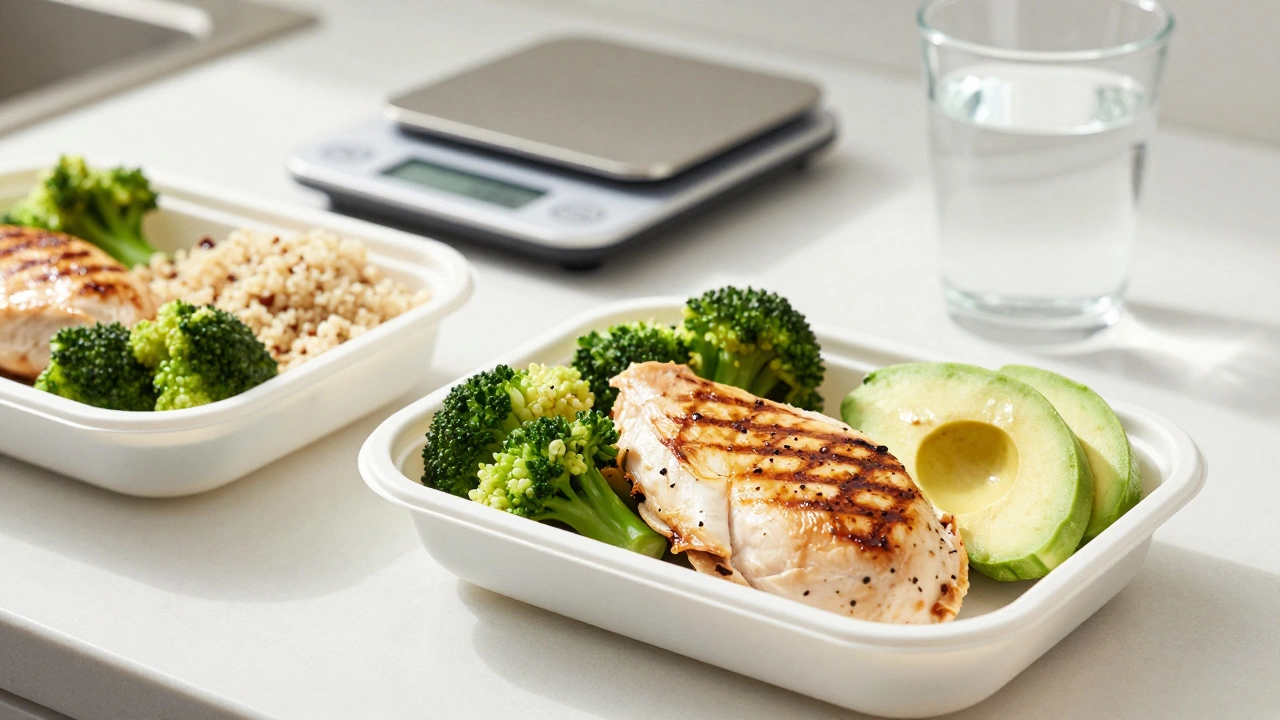
What you eat matters as much as how much. Focus on whole, minimally processed foods that keep you full and fuel workouts. Here’s a practical list:
| Food Group | Why It Works | Daily Target |
|---|---|---|
| Lean Proteins (chicken, fish, eggs, tofu) | Preserves muscle, boosts satiety, increases thermic effect of food | 100-150g |
| Non-Starchy Veggies (spinach, broccoli, zucchini) | Low calorie, high volume, rich in fiber and micronutrients | Unlimited |
| Healthy Fats (avocado, nuts, olive oil) | Hormone balance, joint health, prolonged fullness | 20-30g |
| Complex Carbs (oats, sweet potatoes, quinoa) | Energy for workouts, gut-friendly fiber | 50-100g |
| Water | Reduces false hunger signals, supports metabolism | 2-3 liters |
Avoid liquid calories-soda, juice, fancy coffees-and limit alcohol. These add empty calories without satisfaction. Swap sugary snacks for Greek yogurt with berries or a handful of almonds. Small swaps compound over time.

Exercise Plan for Maximum Fat Burn
Diet drives weight loss; exercise shapes it. To drop 20 pounds fast, combine strength training with cardio strategically.
- Strength Training (3-4x/week): Compound movements like squats, deadlifts, push-ups, and rows build muscle, which burns more calories at rest. Use progressive overload-gradually increase weight or reps.
- High-Intensity Interval Training (HIIT) (2x/week): Short bursts of intense effort followed by rest. Example: 30 seconds sprint, 60 seconds walk, repeat 8 times. Burns fat efficiently and boosts EPOC (afterburn effect).
- Low-Intensity Steady State (LISS) Cardio (2-3x/week): Walking, cycling, or swimming for 30-45 minutes. Great for recovery days and burning extra calories without stressing the body.
- Non-Exercise Activity Thermogenesis (NEAT): Move more throughout the day. Take stairs, park farther away, stand while working. NEAT can burn 200-500 extra calories daily.
Consistency beats intensity. A moderate routine you stick to will outperform an extreme plan you quit after three weeks.
When to Consider Weight Loss Clinics
If you’ve tried DIY methods without success, or if you have medical conditions like PCOS, thyroid issues, or insulin resistance, weight loss clinics can offer personalized plans under medical supervision. These centers often provide:
- Medical assessments: Blood tests, hormone panels, and metabolic rate measurements to tailor your approach.
- Prescription medications: GLP-1 agonists like semaglutide (Wegovy) or tirzepatide (Mounjaro), which reduce appetite and improve blood sugar control. Only available via doctor.
- Behavioral coaching: Address emotional eating, portion distortion, and habit formation.
- Structured meal plans: Pre-prepared meals or detailed grocery lists to remove guesswork.
In the UK, NHS weight management services are free but may have long waitlists. Private clinics charge £500-£2,000+ depending on duration and included services. Always verify credentials-look for registered dietitians, endocrinologists, or bariatric specialists.
Ask yourself: Do I need external accountability? Am I struggling with underlying health issues? Can I afford ongoing support? If yes, a clinic might accelerate results safely.

Pitfalls to Avoid During Rapid Weight Loss
Rushing the process invites mistakes. Watch out for these common traps:
- Crash dieting under 1,200 calories/day: Slows metabolism, causes fatigue, and triggers binge cycles.
- Neglecting protein: Leads to muscle loss, making you look “skinny fat” even if the scale drops.
- Ignoring sleep: Less than 7 hours nightly disrupts hunger hormones (ghrelin up, leptin down).
- Over-relying on supplements: Fat burners and detox teas don’t work long-term and can harm kidneys or liver.
- Comparing yourself to others: Genetics, age, and baseline weight affect speed. Focus on your trajectory, not someone else’s.
Track progress beyond the scale. Take photos, measure waist circumference, note energy levels, and monitor workout performance. Sometimes inches matter more than pounds.
Maintaining Results After Reaching Your Goal
Losing 20 pounds is only half the battle. Keeping it off requires shifting from “diet mode” to lifestyle maintenance. Gradually increase calories by 100-200 per week until you find your new maintenance level. Keep lifting weights, prioritize protein, and stay active. Set monthly check-ins to catch small gains before they become big problems. Remember, weight fluctuates naturally-aim for trends, not perfection.
Is it safe to lose 20 pounds in 4 weeks?
Losing 20 pounds in 4 weeks means a 5-pound weekly deficit, requiring a daily 1,225-calorie cut. This is generally unsafe for most people and risks severe muscle loss, nutrient deficiencies, and gallstones. Medical supervision is essential if attempting such rapid loss, and it’s rarely recommended unless under strict clinical oversight for obesity-related health emergencies.
Do weight loss clinics actually work?
Yes, when properly structured. Studies show medically supervised programs yield 2-3x better retention rates than self-directed diets. Success depends on program quality, staff expertise, and individual commitment. Look for clinics offering multidisciplinary care-not just pills or shakes-but nutrition counseling, behavioral therapy, and fitness guidance.
Can I lose 20 pounds without exercise?
Technically yes, since weight loss is primarily driven by calorie deficit. But without exercise, you’ll likely lose significant muscle mass along with fat, slowing metabolism and affecting body composition. Adding even light activity preserves lean tissue and improves cardiovascular health during weight loss.
What role do GLP-1 medications play in rapid weight loss?
GLP-1 drugs like semaglutide mimic natural hormones that regulate appetite and blood sugar. Clinical trials show average losses of 15-20% of body weight over 68 weeks when combined with lifestyle changes. They’re not magic bullets-they require ongoing use, and side effects include nausea and gastrointestinal discomfort. Access requires prescription and monitoring.
How do I know if I’m losing fat vs. muscle?
Signs of healthy fat loss include steady scale decline, improved clothing fit, increased strength, and stable energy. Muscle loss shows as weakness, decreased workout performance, loose skin, and rapid scale drops followed by plateaus. Prioritize protein, lift weights, and avoid extreme deficits to minimize muscle breakdown.