Online Pharmacy Safety Audit Tool
Instructions: Enter the URL of the site you are checking, then answer the questions below based on what you see on their website. This tool uses standard UK safety criteria.
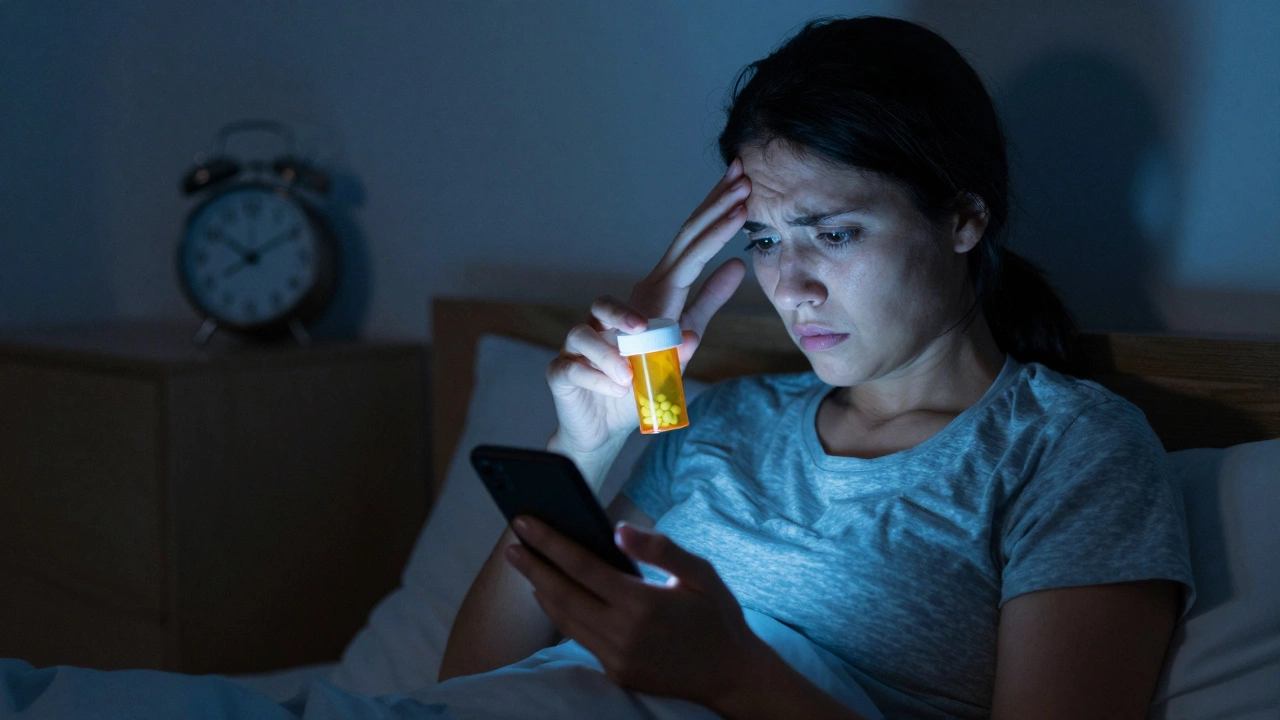
Imagine this: it’s 11 PM on a Tuesday. Your chronic back pain is flaring up, your local chemist has closed hours ago, and you’re staring at an empty bottle of medication. You pull out your phone and type "buy prescription drugs online." Within seconds, dozens of websites promise instant delivery, huge discounts, and no questions asked. It feels like the perfect solution. But here is the hard truth: that convenience comes with a serious risk. In 2026, while ordering prescription drugs online is absolutely legal and often convenient, the line between a legitimate digital health service and a dangerous scam is thinner than ever.
The short answer to "can prescription drugs be ordered online?" is yes. But the real question you need to ask yourself is "from whom?" The landscape of online pharmacies is digital platforms that dispense medications via mail or courier after verifying a valid prescription has exploded. For millions of people, especially those in rural areas or with mobility issues, these services are lifelines. However, for others, they are gateways to counterfeit pills, data theft, and severe health complications. This guide cuts through the noise to help you navigate this space safely, legally, and effectively in the UK and beyond.
How Online Prescriptions Actually Work
To understand if online ordering is right for you, you first need to understand the mechanism. Legitimate online pharmacies do not operate like standard e-commerce stores where you simply add items to a cart and check out. They function as extensions of traditional clinical care. The process usually follows a strict regulatory path designed to protect patient safety.
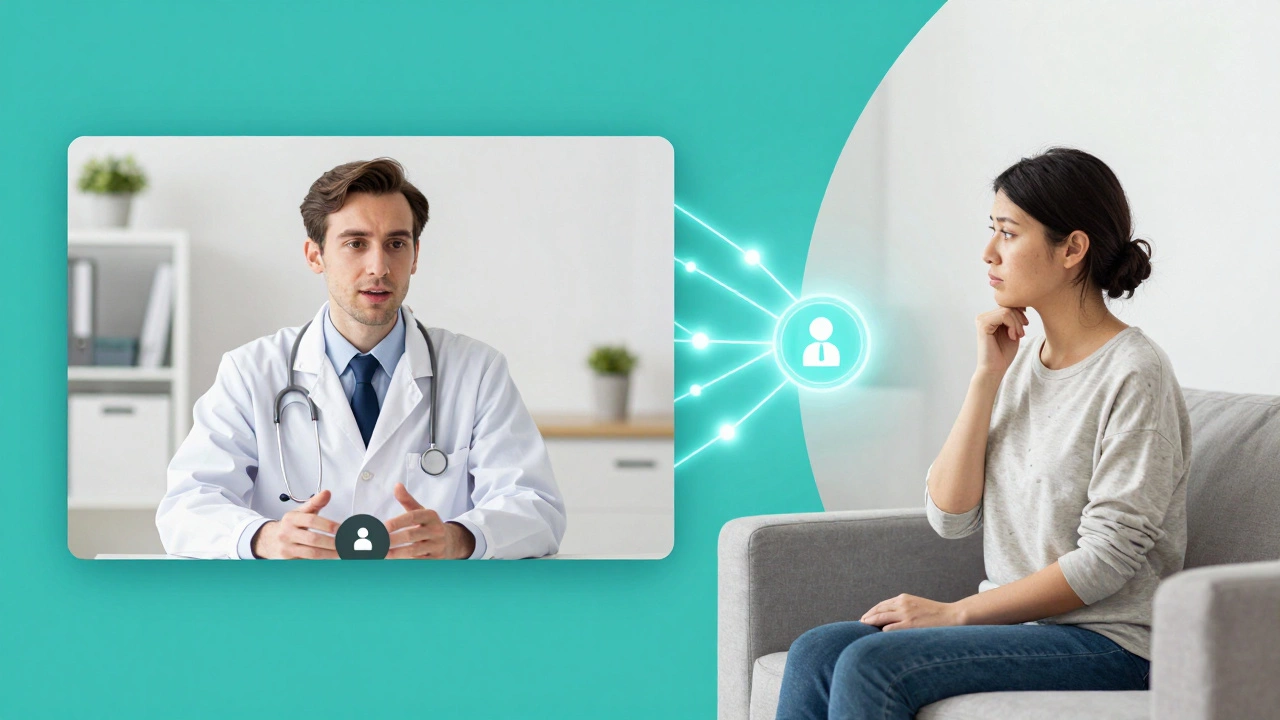
In the United Kingdom, the system relies heavily on the integration between General Practitioners (GPs) and registered dispensers. If you have an existing prescription from your GP, you can often upload a photo of it to a verified platform. Alternatively, many reputable services offer online consultations. Here, you speak with a licensed clinician via video call or secure chat. This isn't just a formality; the doctor assesses your medical history, current symptoms, and potential drug interactions before issuing a digital prescription. Once approved, the medication is dispensed by a qualified pharmacist and shipped to your door.
This model differs significantly from the US system, where some states allow direct-to-consumer telehealth prescriptions for certain non-controlled substances without prior GP involvement. In the UK, the Medicines and Healthcare products Regulatory Agency (MHRA) enforces strict rules. No legitimate site will sell controlled substances like opioids or benzodiazepines without a rigorous, documented clinical assessment. If a site lets you buy Xanax or Codeine without talking to a doctor, run. That is not healthcare; that is a criminal enterprise.
Spotting the Red Flags: Is the Site Safe?
With thousands of domains popping up daily, how do you distinguish a trusted provider from a rogue operation? Scammers are sophisticated. They mimic the design of major high-street chains, use professional copywriting, and even fake customer reviews. However, there are specific, verifiable markers that reveal their true nature.
The most critical tool at your disposal is the Voluntary Internet Pharmacy Practice Sites Verification Program (VIPPS) seal in the US, or more relevantly for us in London, the registration status with the General Pharmaceutical Council (GPhC). Every legitimate community pharmacy in the UK, including those operating online, must be registered with the GPhC. Their website footer should clearly display the GPhC logo and a unique registration number. You can click this link to verify their status directly on the official council database. If the link leads nowhere, or if the registration number doesn't match the company name, close the tab immediately.
Look for other subtle but deadly signs:
- No physical address: Legitimate businesses have a brick-and-mortar presence or a clear corporate headquarters listed. Vague locations like "P.O. Box 1234" are a major warning sign.
- Prices that seem too good to be true: If Insulin is selling for 50% less than the NHS cost, it is likely counterfeit. Counterfeit drugs may contain incorrect dosages, wrong ingredients, or harmful contaminants like fentanyl or industrial dyes.
- Pressure tactics: Pop-ups screaming "Limited Stock!" or "Order Now!" are marketing tricks used by scammers to bypass your logical judgment. Real healthcare providers encourage thoughtful decision-making.
- Acceptance of only untraceable payment methods: Be wary of sites that only accept cryptocurrency, wire transfers, or gift cards. Legitimate pharmacies use secure, traceable credit card processors.
A study by the National Health Service (NHS) highlighted that nearly one in five patients who bought medicines from unregulated online sources received substandard products. These weren't just ineffective; some caused liver damage and allergic reactions because they contained undisclosed fillers.
The Legal Landscape in the UK and Globally
Understanding the law is crucial because legality dictates safety standards. In the UK, the sale of prescription-only medicines (POMs) without a valid prescription is a criminal offense under the Human Medicines Regulations 2012. The MHRA actively monitors the internet and shuts down illegal sites, but new ones appear faster than they can be removed.
If you are traveling abroad, the rules change dramatically. Many countries have laxer regulations regarding online pharmaceutical sales. While it might be tempting to order cheaper medication from overseas while living in London, you are taking on significant risk. Customs agencies seize shipments of unauthorized medicines regularly. More importantly, if something goes wrong with a medication purchased from an unregulated foreign source, you have no recourse. There is no consumer protection agency in another country that will refund you or investigate a adverse reaction.
Furthermore, importing prescription drugs for personal use is technically prohibited unless you have a specific license. While enforcement varies, relying on loopholes is dangerous. Stick to suppliers based in jurisdictions with robust regulatory frameworks like the UK, EU, Canada, or Australia.
Benefits Beyond Convenience
When done correctly, ordering prescription drugs online offers benefits that go far beyond skipping the queue at the local chemist. For many, it represents a shift towards more accessible and continuous care.
Privacy and Discretion: Some conditions carry stigma. Whether it's erectile dysfunction treatments, mental health medications, or acne therapies, receiving these discreetly packaged in plain boxes can reduce anxiety and encourage patients to seek necessary treatment they might otherwise avoid due to embarrassment.
Chronic Condition Management: For patients managing long-term conditions like hypertension or diabetes, auto-refill services ensure you never miss a dose. You set up a schedule, and the medication arrives before you run out. This continuity of care reduces hospitalizations related to missed medications.
Price Transparency: While NHS prescriptions are capped at a fixed charge per item (or free for eligible groups), private online pharmacies often compete on price for non-NHS items. You can easily compare costs for over-the-counter supplements or private prescriptions across different verified providers.
| Feature | Traditional High-Street Pharmacy | Verified Online Pharmacy | Unregulated Online Site |
|---|---|---|---|
| Prescription Requirement | Mandatory | Mandatory (Digital/Upload) | Often None (Illegal) |
| Regulatory Oversight | GPhC / MHRA | GPhC / MHRA | None |
| Consultation Access | In-person Pharmacist | Video/Chat Clinician | Automated Bots/None |
| Risk of Counterfeits | Negligible | Low | High |
| Delivery Speed | Immediate (In-store) | 1-3 Days | Variable (Often Slow) |
Best Practices for Secure Ordering
To maximize safety, adopt a checklist approach every time you order. Think of it like locking your front door; it takes ten seconds but prevents disaster.
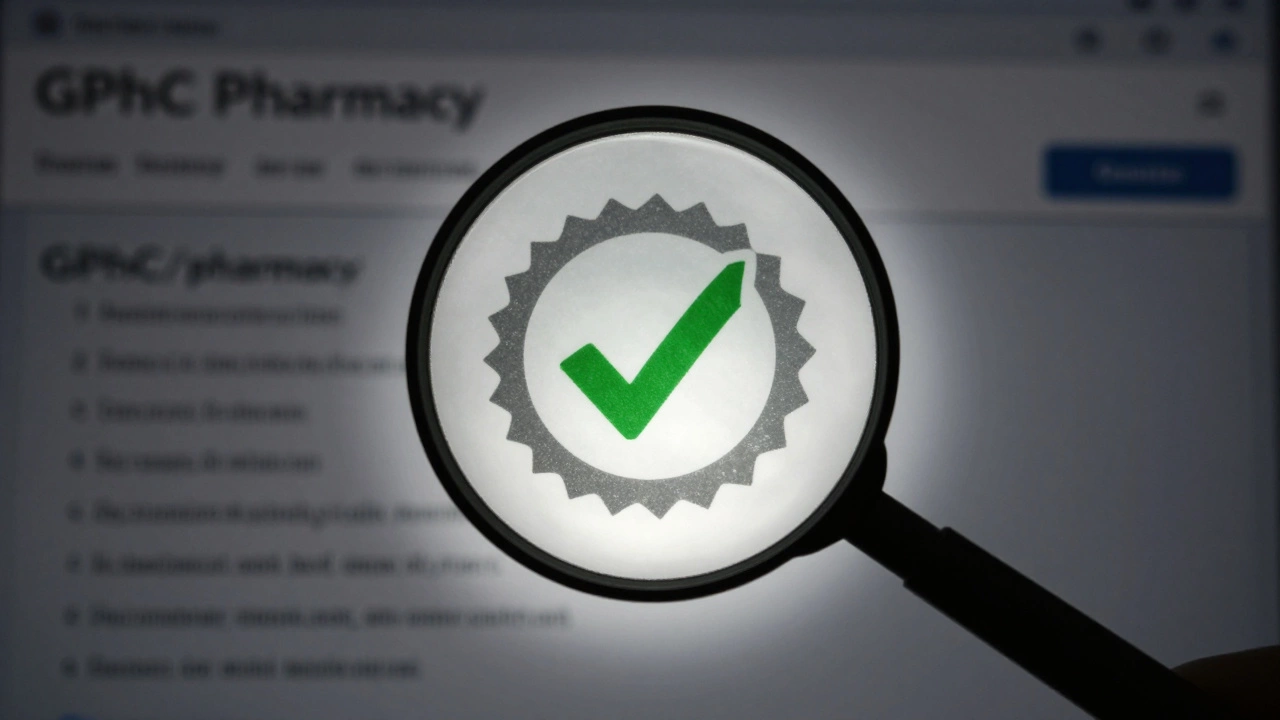
- Verify the Registration: Always check the GPhC register. Look for the green tick mark on the website footer. If you can't find it, search for the pharmacy name on the GPhC website manually.
- Use Secure Connections: Ensure the URL starts with "https://" and look for the padlock icon in your browser bar. This encrypts your personal and financial data during transmission.
- Start Small: If you are trying a new online provider, order a single month's supply first. Check the packaging, expiration dates, and pill appearance against what you know from previous purchases.
- Keep Records: Save emails confirming your prescription and order. If an adverse reaction occurs, having proof of purchase and the batch number helps healthcare professionals identify the issue.
- Discuss with Your GP: Inform your primary care physician that you are using an online service. They need to have a complete picture of your medication regimen to avoid dangerous interactions.
Remember, technology is a tool, not a replacement for professional judgment. An algorithm cannot replace the nuanced assessment of a doctor who knows your full medical history. Use online pharmacies for convenience and access, but maintain your relationship with your local healthcare team.
What About Controlled Substances?
A common misconception is that online pharmacies can provide easy access to controlled drugs like ADHD medications (e.g., Methylphenidate) or anxiety medications (e.g., Diazepam). In reality, the regulations for these are incredibly strict. While you can consult online for initial assessments, ongoing prescriptions for controlled substances usually require regular face-to-face or high-fidelity video reviews with a specialist.
Be extremely cautious of any site claiming to prescribe these without extensive documentation. The MHRA classifies these as high-risk categories. Illegal sites selling these drugs often cut them with inert substances or worse, leading to unpredictable effects. If you need these medications, work through established NHS pathways or specialized private clinics that adhere to strict prescribing guidelines.
Is it legal to buy prescription drugs online in the UK?
Yes, it is legal provided the pharmacy is registered with the General Pharmaceutical Council (GPhC) and you have a valid prescription from a licensed prescriber. Buying prescription-only medicines without a prescription is illegal.
How can I tell if an online pharmacy is fake?
Check for the GPhC registration logo and number in the website footer. Verify this number on the official GPhC website. Other red flags include prices that are unrealistically low, lack of a physical address, and no requirement for a prescription.
Can I get antibiotics online without seeing a doctor?
No. Antibiotics are prescription-only medicines. Legitimate online services will require you to undergo a consultation with a clinician who will assess whether antibiotics are necessary. Self-diagnosing and buying antibiotics online can lead to antibiotic resistance and incorrect treatment.
Are online prescriptions as safe as in-person ones?
Yes, when issued by regulated online clinics. The clinicians are licensed doctors or nurse practitioners who follow the same medical guidelines as your GP. The key difference is the mode of communication (video/chat vs. face-to-face), but the clinical standards remain high.
What should I do if I receive suspicious medication?
Do not take the medication. Contact the pharmacy immediately to report the issue. If you suspect the product is counterfeit, report it to the MHRA via their yellow card scheme or contact Action Fraud. Keep the packaging and remaining pills as evidence.