Diabetic Drink Safety Calculator
--
Total Sugar
-- g
Glycemic Impact
--
Select a drink and click check.
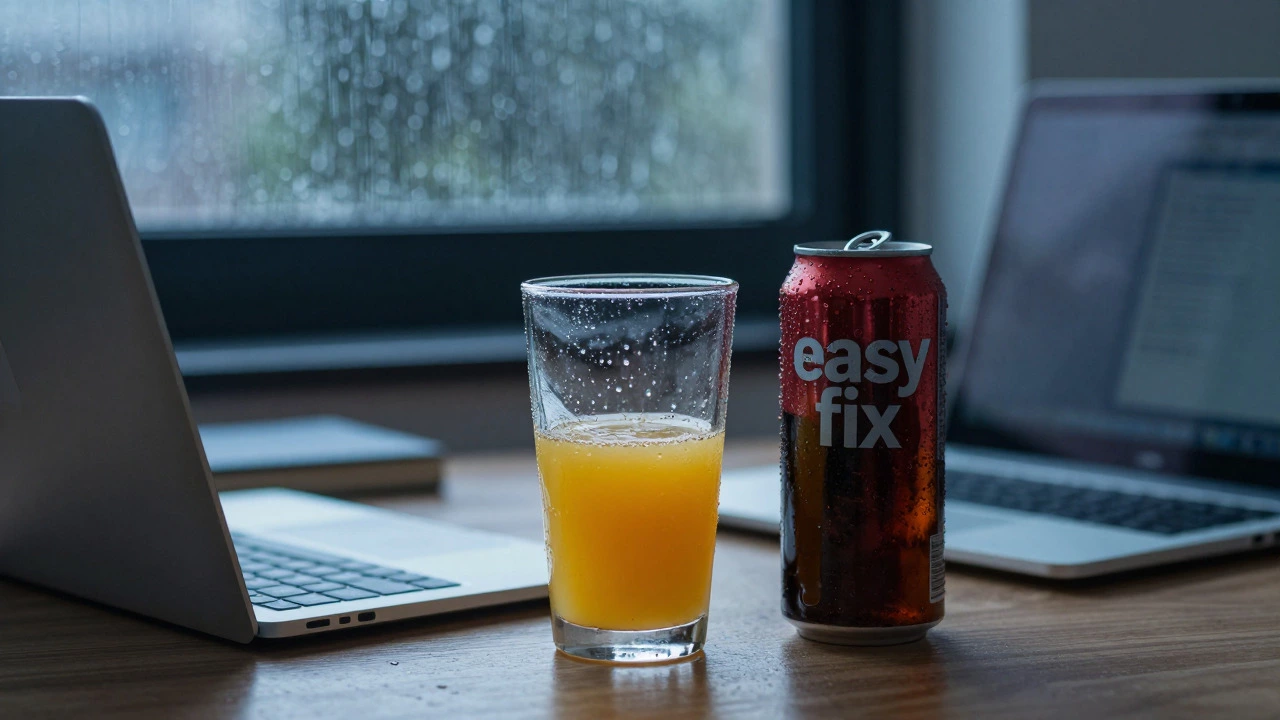
It’s a rainy Tuesday afternoon in London. You’re sitting at your desk, feeling that familiar mid-afternoon slump. Your coffee has worn off, and your energy is dipping. The easy fix? A quick run to the local café for a latte or maybe grabbing a juice from the corner shop. But if you have diabetes, specifically type 2 diabetes, that convenient grab-and-go drink could be setting you up for a metabolic headache later.
We often focus heavily on solid foods when managing our condition-counting carbs in bread, weighing rice portions, and avoiding pastries. Yet, liquid calories sneak up on us. They digest faster than solids, meaning they hit your bloodstream with less resistance. For someone managing insulin resistance, this rapid influx can cause sharp, dangerous spikes in blood glucose levels.
You don’t need to give up all beverages to live well with diabetes. Water, tea, and black coffee are generally safe havens. However, there are three specific categories of drinks that act as major triggers for hyperglycemia (high blood sugar). These aren't just "unhealthy" choices; they are active disruptors of your metabolic balance. Let’s look at exactly which ones to keep away from and why.
1. Sugary Soft Drinks and Sodas
This is the most obvious culprit, but its impact is often underestimated because we’ve normalized it. When I say "sugary soft drinks," I’m talking about regular cola, lemon-lime sodas, ginger ales, and those fizzy fruit drinks that line the supermarket aisles.
Consider a standard 330ml can of regular cola. It contains roughly 35 grams of added sugar. That’s nearly nine teaspoons of pure sucrose or high-fructose corn syrup dissolved in carbonated water. For a person without diabetes, the pancreas releases a burst of insulin to handle this load. For a person with type 2 diabetes, that insulin response is sluggish or ineffective. The sugar stays in the blood, causing a spike that can last for hours.
The problem isn't just the sugar content; it's the lack of fiber. Unlike eating an apple, where fiber slows down digestion, soda offers no nutritional buffer. It hits your system like a sugar bomb. Studies consistently show that daily consumption of sugar-sweetened beverages increases the risk of developing type 2 diabetes by significant margins, and for those already diagnosed, it makes glycemic control nearly impossible.
The Trap: Many people think switching to "diet" or "zero" sugar versions solves the problem. While these avoid the immediate sugar spike, some research suggests that artificial sweeteners may alter gut bacteria in ways that affect glucose metabolism over time. They are better than full-sugar options, but they shouldn't be seen as health foods. Stick to water or sparkling water with a splash of real lemon instead.
2. Fruit Juices (Even 100% Natural Ones)
Here is where many diabetics get tripped up. We are taught that fruit is healthy. Therefore, logically, fruit juice must be healthy too, right? Not quite. This is a common misconception that needs correcting.
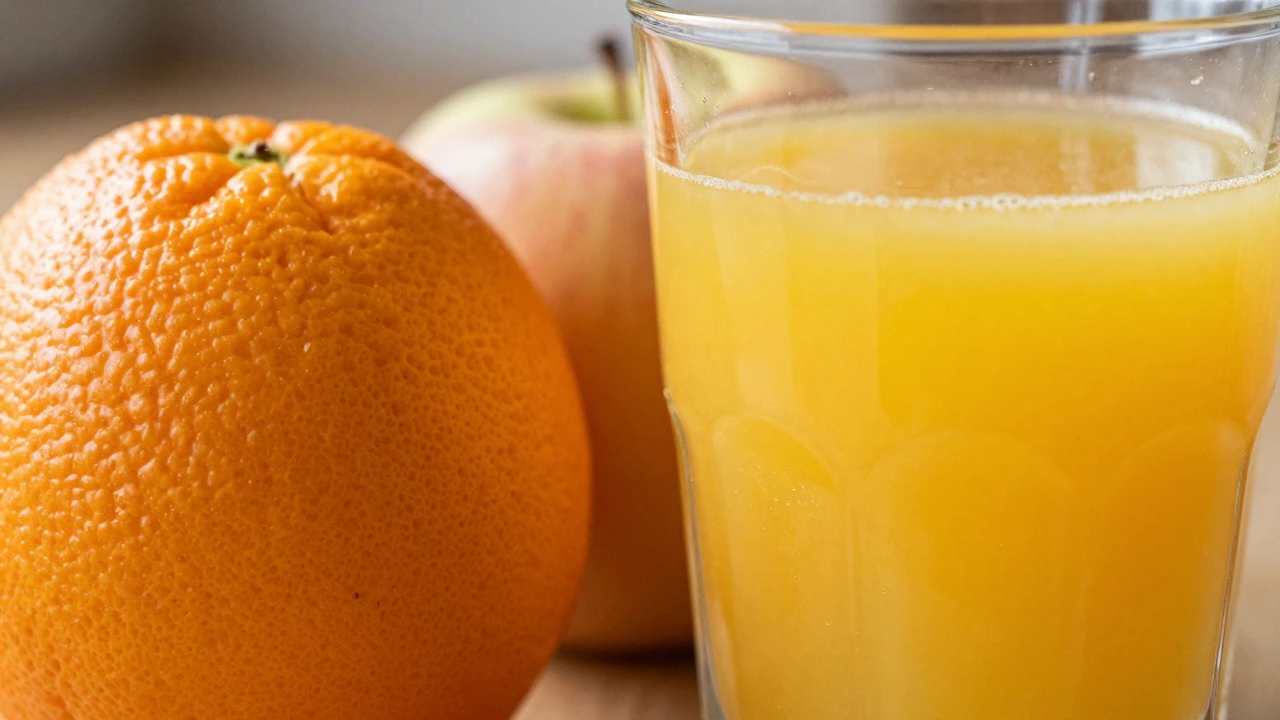
When you eat a whole orange, you consume the flesh and the skin. This provides vitamin C, yes, but also a substantial amount of dietary fiber. Fiber acts as a brake on digestion. It slows the absorption of fructose (fruit sugar) into your bloodstream, keeping your glucose levels steady.
When you juice that orange, you strip away almost all the fiber. What remains is concentrated liquid sugar. A single glass of orange juice (about 240ml) can contain the equivalent sugar of three or four oranges, but none of the fiber to slow it down. Your body processes this liquid sugar almost as quickly as it would process table sugar.
This applies to all fruit juices: apple, grape, cranberry, and even vegetable juices that are mixed with fruit for sweetness. Grape juice is particularly potent because grapes have a very high glycemic index. Drinking a glass of grape juice can raise blood sugar levels dramatically within minutes.
The Exception: If you are experiencing hypoglycemia (low blood sugar), juice is actually a recommended treatment because you *want* that fast spike. But for daily maintenance? Avoid it. Eat the whole fruit instead. If you crave the taste, dilute unsweetened vegetable juice with water, or stick to berries, which have lower sugar content and higher fiber if eaten whole.
3. Sweetened Coffee Shop Beverages
Coffee itself is fine. In fact, black coffee has been linked to improved insulin sensitivity in some studies. The problem arises when we turn coffee into a dessert. Think about the average visit to a popular chain coffee shop.
A large caramel macchiato, a mocha, or a flavored latte is rarely just coffee and milk. These drinks are loaded with syrups, whipped cream, chocolate sauces, and condensed milk. A single large vanilla latte can contain upwards of 40-50 grams of sugar, depending on how much syrup the barista pumps in. Add a pastry to go with it, and you’ve just consumed a meal’s worth of carbohydrates in liquid form.
These drinks are insidious because they feel indulgent and small. You hold them in one hand; they seem harmless compared to a slice of cake. But the volume of sugar is often higher than in a candy bar. Furthermore, the fat content in creamers can delay gastric emptying slightly, leading to a prolonged elevation in blood sugar rather than a quick spike and drop. This means your glucose levels might stay elevated for longer periods, making it harder to manage throughout the day.
The Fix: You don’t have to quit coffee. Switch to black coffee, or add a splash of unsweetened almond milk or oat milk (check labels for added sugars). If you need sweetness, use a zero-calorie sweetener sparingly, or try cinnamon, which may help improve insulin sensitivity. Make your own lattes at home so you control the ingredients.
| Drink Type | Average Serving Size | Sugar Content (g) | Glycemic Impact | Recommendation |
|---|---|---|---|---|
| Regular Cola | 330ml can | ~35g | High Spike | Avoid completely |
| Orange Juice | 240ml glass | ~26g | Moderate-High Spike | Limit; eat whole fruit instead |
| Large Flavored Latte | 470ml cup | ~40-50g | Prolonged Elevation | Choose black or unsweetened | r>
| Diet Soda | 330ml can | 0g | Low (but potential gut impact) | Occasional okay; water preferred |
| Water | 250ml glass | 0g | None | Best choice |
Why Hydration Matters More Than You Think
Avoiding these three drinks is only half the battle. The other half is replacing them with something beneficial. Dehydration is a silent enemy for diabetics. When your blood sugar is high, your kidneys work overtime to filter out the excess glucose. To do this, they pull fluid from your tissues, leading to dehydration. This creates a vicious cycle: dehydration concentrates the blood sugar further, making it even harder to regulate.
Drinking enough water helps your kidneys flush out excess glucose through urine. It keeps your blood volume stable and supports overall metabolic function. Aim for at least 1.5 to 2 liters of water a day, more if you are active or live in a warm climate like parts of Southern England during summer.
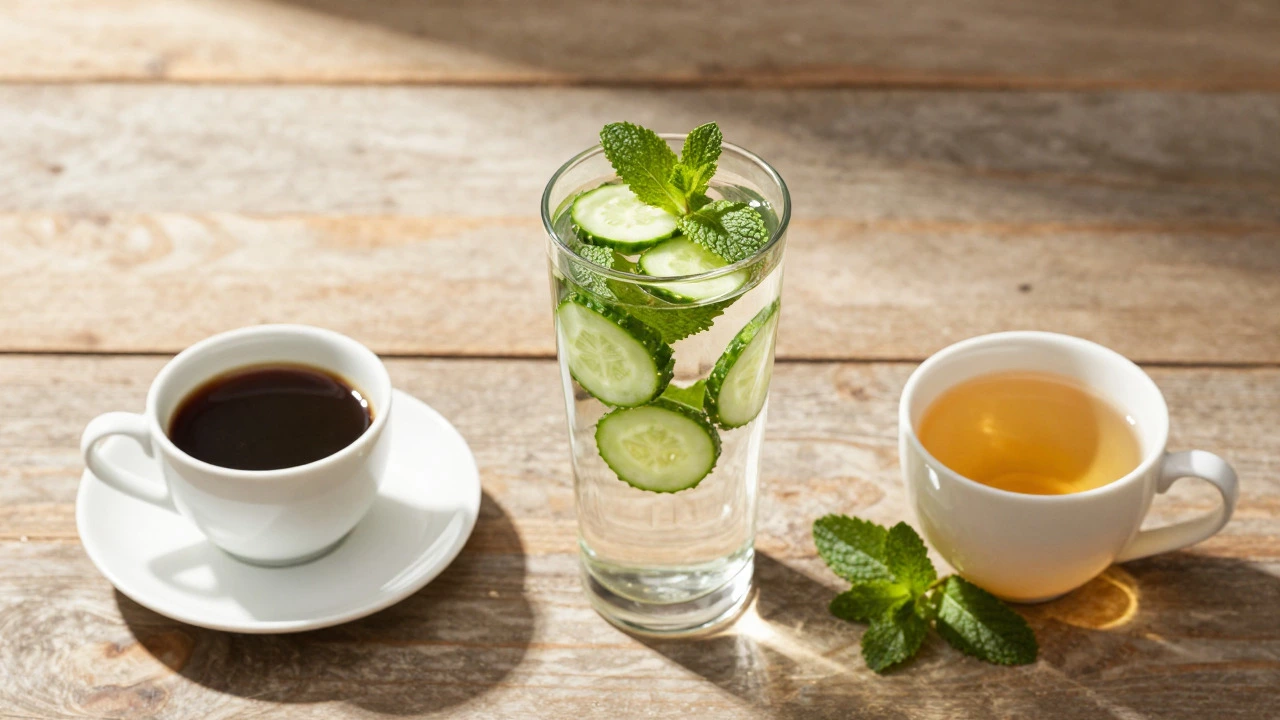
If plain water feels boring, infuse it naturally. Add slices of cucumber, mint leaves, or fresh berries. These add flavor without adding significant sugar. Herbal teas are another excellent option. Peppermint, chamomile, and green tea (unsweetened) provide antioxidants and hydration without affecting blood glucose levels.
Reading Labels: The Hidden Sugars
One of the biggest challenges today is that sugar hides under many names. Manufacturers know that "sugar" looks bad on a label, so they use terms like:
- High-fructose corn syrup
- Cane juice crystals
- Evaporated cane juice
- Maltodextrin
- Sucrose
- Fruit concentrate
Any beverage with more than one ingredient besides water should be scrutinized. Even "healthy" smoothies bought from shops can be sugar bombs due to the addition of honey, agave, or fruit concentrates. Always check the nutrition facts panel. Look for total sugars per serving. If it’s over 5-10 grams per serving, proceed with caution.
Practical Tips for Social Situations
Living with diabetes doesn’t mean you can’t enjoy social gatherings. It just requires a bit of strategy. Here are some practical tips:
- At Restaurants: Ask for drinks on the side. If you order a cocktail, ask for it with soda water and lime instead of tonic or juice mixers.
- At Parties: Bring your own infused water bottle. It’s easier to carry your own hydration than to navigate a punch bowl.
- When Craving Something Sweet: Try sparkling water with a few drops of bitters or a splash of 100% tart cherry juice (which has lower sugar than orange juice) diluted heavily with water.
- Check Alcohol: While not one of the top three avoids, sugary cocktails and sweet wines can spike blood sugar. Stick to dry wines, light beers, or spirits with zero-carb mixers like club soda.
Monitoring Your Response
Everyone’s body reacts differently. Some people might tolerate a small glass of tomato juice, while others spike immediately. The best way to know what works for you is to test. If you have a continuous glucose monitor (CGM) or a finger-prick meter, check your levels before drinking a new beverage and then again two hours after. This data is invaluable. It turns guesswork into knowledge.
Remember, managing diabetes is about consistency, not perfection. One accidental sip of soda won’t ruin your health, but making it a habit will. By cutting out sugary sodas, fruit juices, and sweetened coffee drinks, you remove three major sources of uncontrolled glucose intake. This simple change can lead to more stable energy levels, better weight management, and reduced strain on your pancreas.
Can diabetics drink alcohol?
Yes, but in moderation. Alcohol can lower blood sugar, which might be dangerous if you take insulin or sulfonylureas. Avoid sugary mixers, cocktails, and sweet wines. Stick to dry wine, light beer, or spirits with zero-carb mixers like soda water. Always eat food when drinking to prevent hypoglycemia.
Is coconut water good for diabetics?
Coconut water is natural but still contains sugar. A typical serving has about 15-20 grams of sugar. While it has electrolytes, it can still raise blood glucose. It’s better than soda, but water is superior. If you drink it, limit the portion size and account for the carbs in your daily total.
What is the best drink to lower blood sugar?
Water is the best drink for maintaining stable blood sugar. Green tea and black coffee (unsweetened) may also help improve insulin sensitivity over time. Apple cider vinegar diluted in water has shown some promise in reducing post-meal glucose spikes, though evidence is mixed. Always consult your doctor before trying supplements.
Are sports drinks safe for diabetics?
Generally, no. Sports drinks are designed to replenish sugar and electrolytes lost during intense exercise. Unless you are engaging in prolonged, vigorous activity (like running a marathon), you don’t need them. They are packed with sugar and can cause unnecessary spikes. Water is sufficient for most daily activities.
Can I drink milk if I have diabetes?
Yes, but be mindful of portion sizes. Milk contains lactose, a natural sugar. A cup of cow's milk has about 12 grams of sugar. Unsweetened plant-based milks like almond, soy, or oat milk (check for added sugar) are lower in carbs and may be better options. Greek yogurt with milk is also a good choice due to its protein content, which slows sugar absorption.