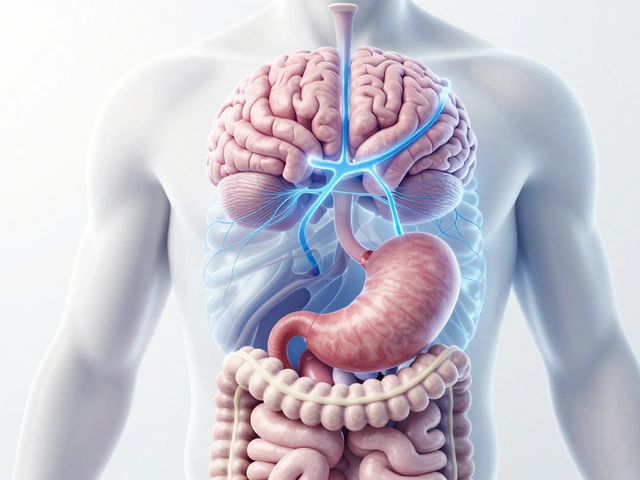
When someone is newly diagnosed with type 2 diabetes, one of the first questions they ask is: What is the safest diabetic medication? It’s not just about lowering blood sugar-it’s about avoiding side effects, protecting your heart and kidneys, and living well for decades. The answer isn’t a single pill. It depends on your body, your health history, and what matters most to you. But there is one drug that stands out in safety, effectiveness, and long-term evidence: metformin.
Metformin: The Gold Standard for Safety
Metformin has been the first-choice medication for type 2 diabetes for over 60 years. It’s not flashy. It doesn’t cause weight loss like newer drugs. But it’s the most studied, the most affordable, and the most trusted. The UK Prospective Diabetes Study (UKPDS), which followed patients for over 10 years, showed metformin didn’t just control blood sugar-it lowered the risk of heart attacks and death more than other drugs at the time.
What makes metformin safe? For starters, it doesn’t cause low blood sugar (hypoglycemia) on its own. That’s huge. Many diabetes drugs force the pancreas to pump out more insulin, which can crash blood sugar if you skip a meal or exercise too hard. Metformin works differently-it reduces sugar production in the liver and improves how your muscles use insulin. No insulin spike. No crashes.
Side effects? Some people get stomach upset-gas, bloating, diarrhea. But these usually fade after a few weeks. Starting with a low dose and taking it with food helps a lot. Less than 1% of users develop a rare condition called lactic acidosis, and that’s mostly in people with severe kidney failure or who drink heavily. For most, metformin is as safe as aspirin.
What About Newer Drugs? SGLT2 Inhibitors and GLP-1 Agonists
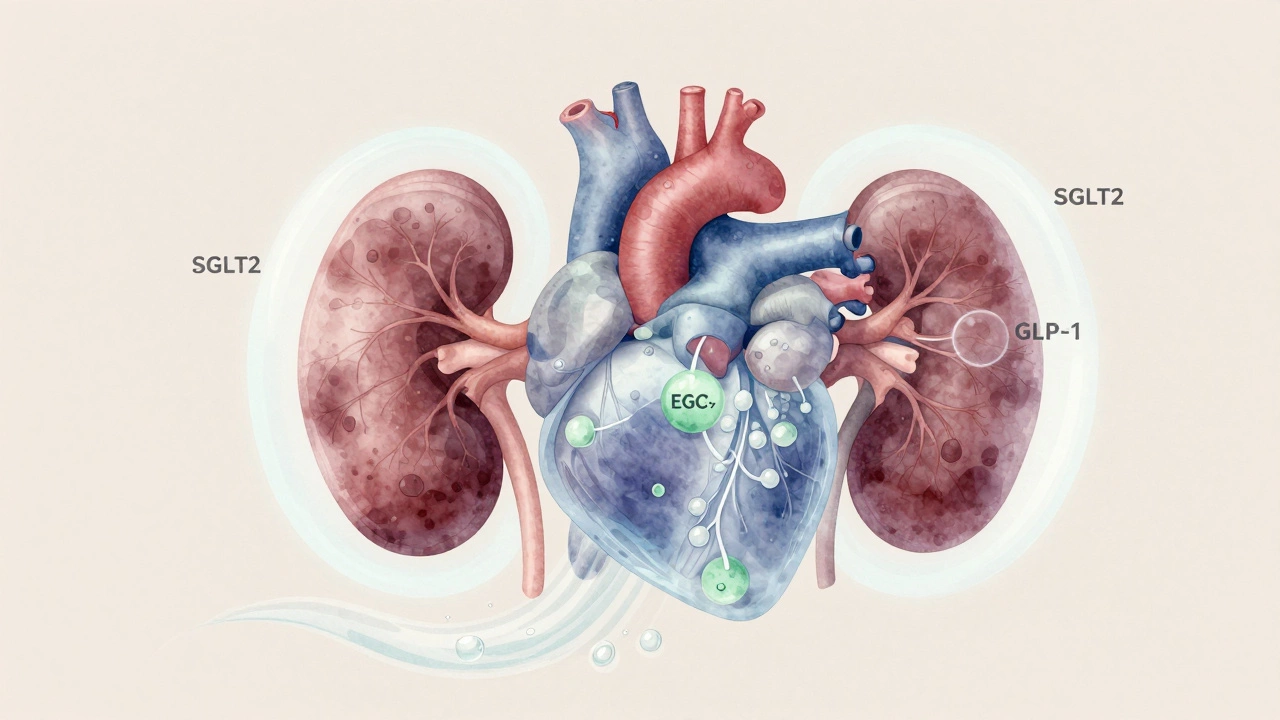
In the last decade, two new classes of diabetes drugs have changed the game: SGLT2 inhibitors and GLP-1 receptor agonists. They’re not just safer-they’re protective.
SGLT2 inhibitors (like empagliflozin, dapagliflozin) work by making your kidneys flush out extra sugar through urine. Sounds odd, right? But here’s the catch: they don’t just lower blood sugar. They reduce heart failure hospitalizations by up to 30% and slow kidney disease progression. In studies, people on these drugs lived longer, especially those with heart or kidney problems. The downside? They can increase the risk of yeast infections and, rarely, a serious foot infection called Fournier’s gangrene. Dehydration is also a concern, especially in older adults.
GLP-1 agonists (like semaglutide, liraglutide) mimic a natural hormone that tells your body to release insulin only when needed. They’re powerful. They lower A1C, help you lose 10-15 pounds on average, and cut heart attack risk by 20-25%. The most famous one, semaglutide (Wegovy), is now used for weight loss. But they’re injections. Some people get nausea, vomiting, or constipation. Rarely, they’ve been linked to thyroid tumors in rats-though no such link has been found in humans after decades of use.
Here’s the truth: these newer drugs aren’t just safer than older ones-they’re life-saving for people with heart disease, kidney disease, or obesity. But for someone with no other health issues, metformin still wins on simplicity, cost, and long-term track record.
Drugs to Avoid Unless Absolutely Necessary
Not all diabetes pills are created equal. Some have risks that outweigh their benefits for most people.
- Sulfonylureas (like glipizide, glyburide): These force insulin out of the pancreas. They’re cheap, but they cause low blood sugar-sometimes dangerously so. Older adults are at higher risk of falls and confusion from these crashes.
- Thiazolidinediones (like pioglitazone): They improve insulin sensitivity, but they cause weight gain, fluid retention, and increase heart failure risk. They’re rarely used today.
- DPP-4 inhibitors (like sitagliptin): They’re neutral-no major harm, but also no major benefit. They don’t help your heart or kidneys. And they’re expensive.
If you’re on one of these and doing fine, don’t panic. But if you’re newly diagnosed or switching meds, these aren’t the first options anymore.
How to Choose Based on Your Needs
There’s no one-size-fits-all. Your safest drug depends on what you need most.
- If you’re overweight or obese → Start with metformin, then add a GLP-1 agonist if you need more help. These drugs help you lose weight without extra insulin.
- If you have heart disease or heart failure → SGLT2 inhibitors are the clear choice. They reduce hospitalizations and death.
- If you have kidney disease → SGLT2 inhibitors or GLP-1 agonists slow decline. Metformin is still safe if your kidneys are mildly impaired.
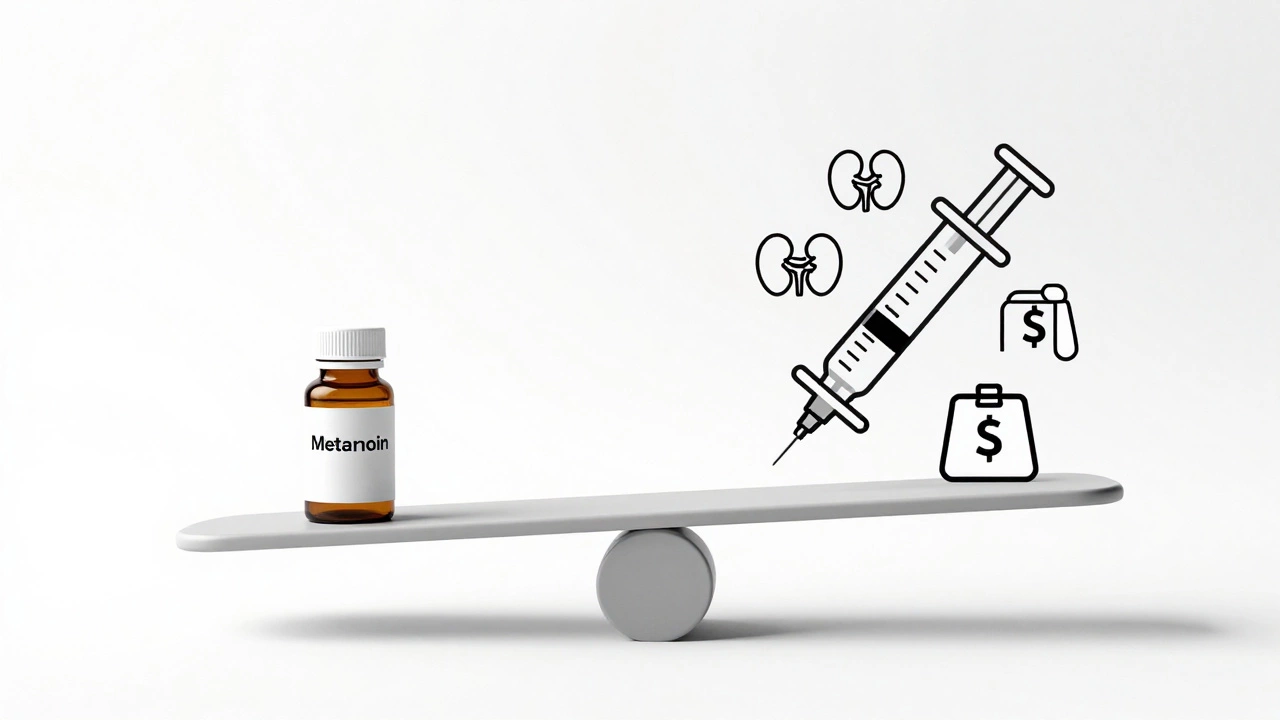
- If you’re on a tight budget → Metformin costs less than $5 a month. Newer drugs can cost $800+ monthly without insurance.
- If you hate injections → Stick with metformin or SGLT2 inhibitors (they’re pills). GLP-1 agonists require daily or weekly shots.
What About Type 1 Diabetes?
This article focuses on type 2. But if you have type 1, insulin is non-negotiable. No pill replaces it. However, GLP-1 agonists are now being studied alongside insulin in type 1 patients to help reduce insulin doses and improve weight. They’re not approved for this yet, but early results are promising.
Real-World Advice: What Works for People
I’ve seen patients try every drug out there. One woman, 68, with heart failure and diabetes, started on dapagliflozin. Within three months, her swelling went down. She could walk to her mailbox without getting winded. Another man, 52, with prediabetes, took metformin, cut sugary drinks, and lost 30 pounds. His A1C dropped from 7.8 to 5.6-he no longer needed medication.
The common thread? Medication alone doesn’t fix diabetes. It helps. But diet, movement, sleep, and stress management do the heavy lifting. A drug that’s safe on paper can fail if you’re still eating three donuts a week. The safest medication is the one you can take consistently-with a lifestyle that supports it.
When to Talk to Your Doctor
Don’t switch meds on your own. But do ask:
- “Do I have heart or kidney disease that might change which drug is safest for me?”
- “Is there a cheaper, equally safe option?”
- “What side effects should I watch for?”
- “Will this drug help me live longer, not just lower a number?”
Doctors aren’t always up to speed on the latest evidence. If your doctor pushes sulfonylureas or pioglitazone without explaining why, ask for a second opinion. The goal isn’t just to hit a blood sugar target. It’s to protect your heart, your kidneys, your energy, and your future.
Is metformin the safest diabetic medication for everyone?
Metformin is the safest for most people with type 2 diabetes, especially those without heart or kidney disease. It’s low-cost, doesn’t cause low blood sugar, and has decades of safety data. But if you have heart failure, chronic kidney disease, or obesity, newer drugs like SGLT2 inhibitors or GLP-1 agonists may be safer and more protective.
Can I stop taking my diabetic medication if I lose weight?
Yes, some people can. Losing 5-10% of your body weight can reverse type 2 diabetes in early stages. If your A1C stays below 5.7% for at least 6 months without medication, your doctor may allow you to stop. But this doesn’t mean you’re cured. You still need to maintain weight, diet, and activity to keep it away.
Do diabetic medications cause weight gain?
Some do, some don’t. Sulfonylureas and thiazolidinediones often cause weight gain because they increase insulin, which stores fat. Metformin usually doesn’t change weight. SGLT2 inhibitors and GLP-1 agonists typically cause weight loss. Choosing the right drug can help you lose-not gain-weight.
Are generic versions of diabetic drugs as safe as brand names?
Yes. Generic metformin, dapagliflozin, and sitagliptin are just as effective and safe as their brand-name versions. The FDA requires generics to have the same active ingredients, strength, and quality. The only difference is cost-generics can be 80-90% cheaper.
What happens if I miss a dose of my diabetic medication?
For metformin, skip the missed dose and take your next one at the regular time. Don’t double up. For SGLT2 inhibitors, missing a dose won’t cause a spike in blood sugar since they work gradually. GLP-1 agonists like semaglutide have a long half-life-missing one weekly dose won’t hurt much. But never skip insulin. Always check with your doctor about your specific drug.
Final Thought: Safety Isn’t Just About Side Effects
The safest diabetic medication isn’t the one with the fewest side effects. It’s the one that helps you live longer, stay active, and avoid hospital stays. Metformin still leads in that category for most. But if you have heart or kidney disease, newer drugs are no longer just alternatives-they’re the standard. Talk to your doctor. Ask for data. Demand clarity. Your future self will thank you.