Tirzepatide Weight Loss Estimator
Estimate Your Potential Weight Loss
Based on clinical trial data showing 12-15% average weight loss with tirzepatide (Mounjaro)
Estimated Results
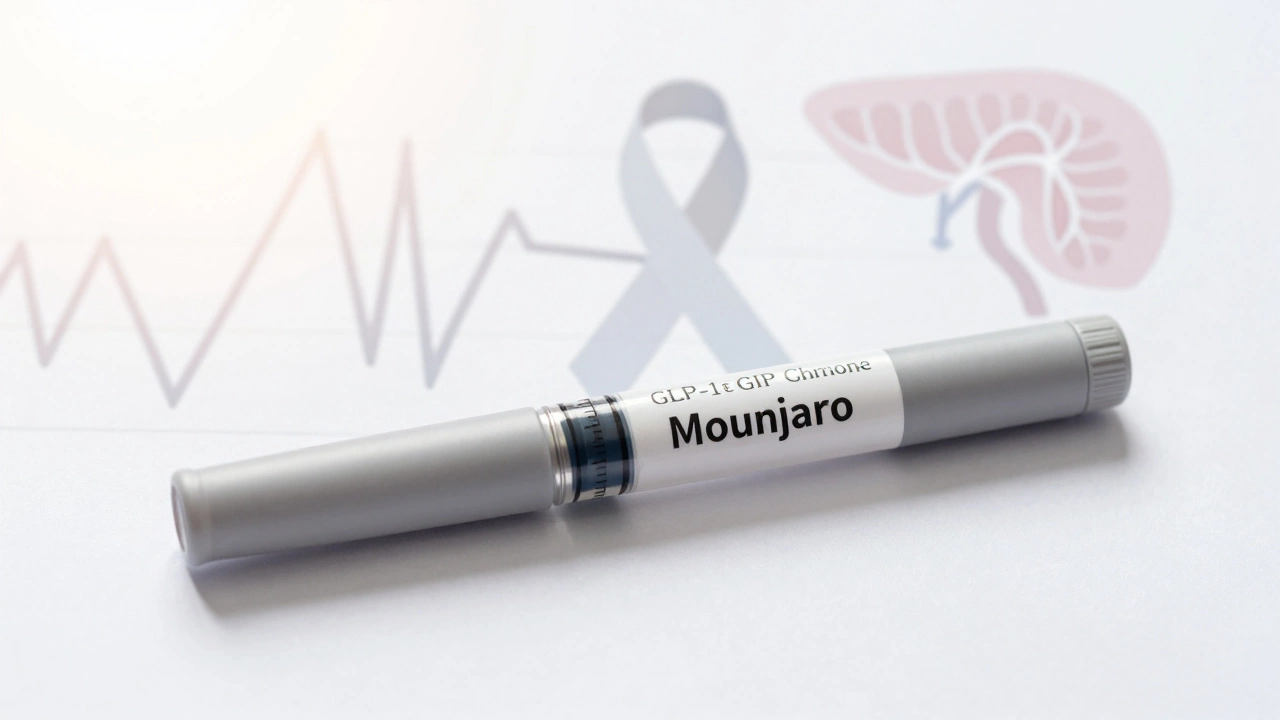
Diabetes treatment took a big step forward in 2024 with the approval and wider use of tirzepatide a once-weekly injectable medication that combines two hormone pathways to lower blood sugar and promote weight loss. Known by its brand name Mounjaro, this drug isn’t just another pill or injection-it’s changing how doctors think about managing type 2 diabetes.
What Makes Tirzepatide Different?
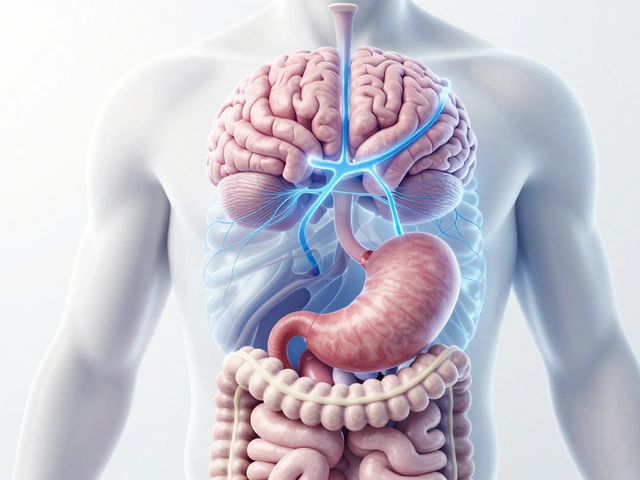
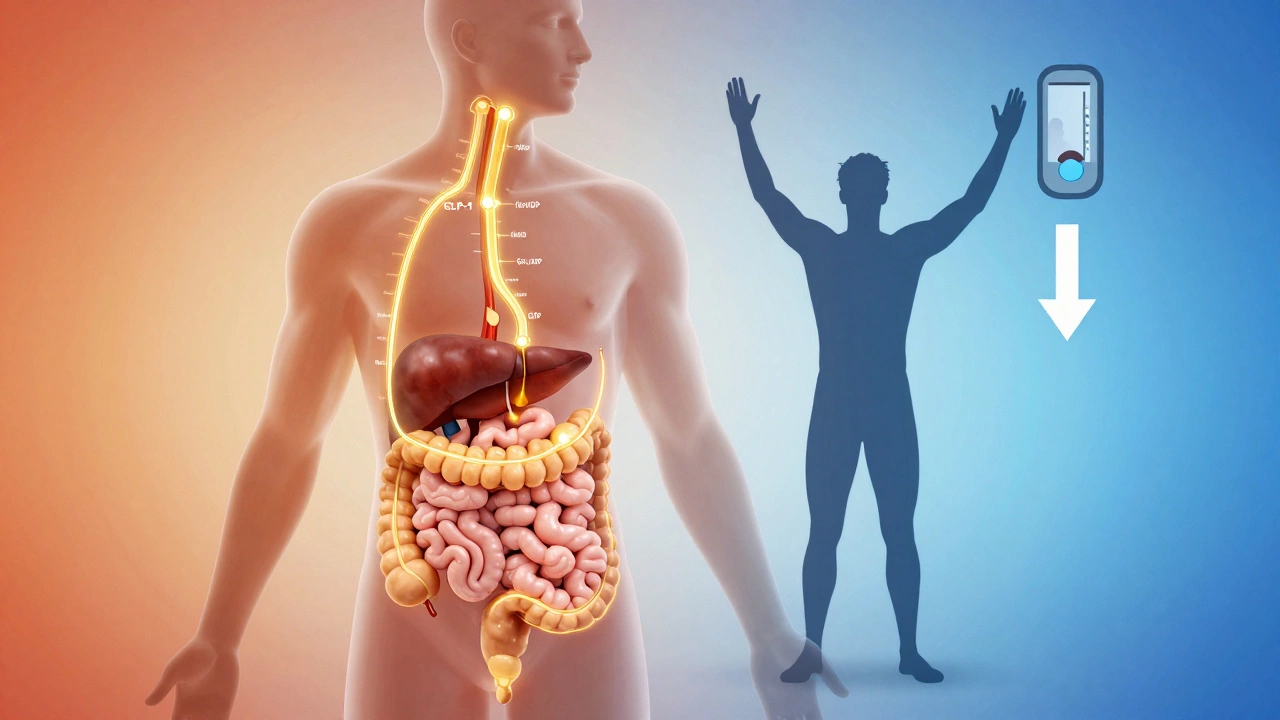
Most diabetes drugs focus on one thing: lowering blood sugar. Tirzepatide does two. It mimics two natural hormones in your body-GLP-1 and GIP. GLP-1 helps your pancreas release insulin when blood sugar rises. GIP boosts that effect and helps your body use glucose more efficiently. Together, they work like a team, not just a single player.
This dual-action approach doesn’t just control sugar. It also reduces appetite and slows digestion. That’s why many people lose weight while taking it. In clinical trials, patients lost an average of 15% of their body weight over a year. That’s more than most other diabetes drugs, even those known for weight loss like semaglutide (Ozempic).
It’s not magic. It’s science. And it’s backed by data from over 4,000 adults with type 2 diabetes in the SURPASS trials. These weren’t small studies. They were large, long-term, and compared tirzepatide directly to other leading treatments.
Who Is It For?
Tirzepatide is approved for adults with type 2 diabetes who need better blood sugar control. It’s not for type 1 diabetes. It’s also not a first-line treatment. Most doctors still start with metformin because it’s cheap, safe, and works well for many.
But if you’ve been on metformin for months and your HbA1c is still above 7%, or if you’re struggling with weight gain from other meds, tirzepatide might be the next step. It’s especially helpful for people who also have obesity or heart disease risks. The American Diabetes Association updated its guidelines in early 2024 to recommend GLP-1/GIP dual agonists like tirzepatide for patients who need both glucose control and weight loss.
How Do You Take It?
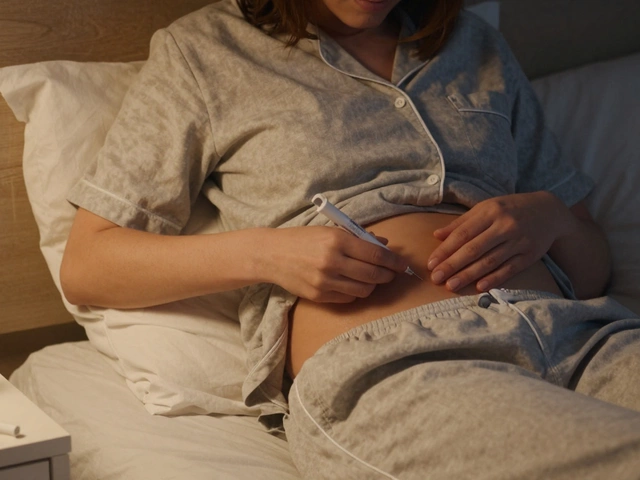
You inject it once a week, under the skin in your stomach, thigh, or upper arm. The dose starts low-2.5 mg-and increases every four weeks until you reach the maintenance dose. Most people end up on 5 mg, 10 mg, or 15 mg per week, depending on how well they tolerate it and how much control they need.
It comes in a pre-filled pen, similar to insulin pens. No mixing, no refrigeration after first use. You can carry it in your bag for weeks. Many users say it’s easier than daily pills because there’s less to remember.
Side Effects and Risks
Like all medications, it has downsides. The most common are nausea, vomiting, diarrhea, and decreased appetite. These usually fade after a few weeks as your body adjusts. About 1 in 10 people stop taking it because of these side effects.
More serious risks include pancreatitis, gallbladder problems, and a possible link to thyroid tumors in animal studies. That’s why it’s not recommended if you or a family member has a history of medullary thyroid cancer or multiple endocrine neoplasia syndrome.
It’s also not safe during pregnancy. If you’re planning to get pregnant, talk to your doctor about switching medications.
How Does It Compare to Other Drugs?
Let’s put it side by side with other popular options:
| Drug | Type | Weight Loss (Average) | Frequency | Cost (Monthly, UK NHS) |
|---|---|---|---|---|
| Tirzepatide (Mounjaro) | GLP-1/GIP dual agonist | 12-15% | Once weekly | £180-£220 (private); £0 if prescribed |
| Semaglutide (Ozempic) | GLP-1 agonist | 8-10% | Once weekly | £150-£190 (private); £0 if prescribed |
| Empagliflozin (Jardiance) | SGLT2 inhibitor | 3-5% | Once daily | £10-£20 (NHS) |
| Metformin | Biguanide | 0-2% | Twice daily | £2-£5 (NHS) |
As you can see, tirzepatide leads in weight loss and glucose control-but it’s more expensive if you’re paying privately. In the UK, if your doctor prescribes it through the NHS, you pay nothing. That’s a huge advantage over the U.S., where out-of-pocket costs can hit $1,000 a month.
Is It Available Everywhere?
In the UK, tirzepatide is available through the NHS for eligible patients. You don’t need to buy it online or through private clinics. Your GP or diabetes specialist must assess your HbA1c, BMI, and other health factors before approving it.
Some people try to import it from abroad or buy it through private providers. That’s risky. Counterfeit versions are out there. Always get it through a licensed prescriber. The NHS has strict rules to ensure safety and proper monitoring.
What’s Next?
Researchers are already testing higher doses of tirzepatide-up to 20 mg-for even stronger results. Early data suggests even greater weight loss and improved heart health. A new oral version is also in development, which could replace injections in the next few years.
But for now, tirzepatide remains the most effective single-agent treatment for type 2 diabetes and weight loss combined. It’s not a cure. But for many, it’s turning a chronic condition into something more manageable.
Real-Life Impact
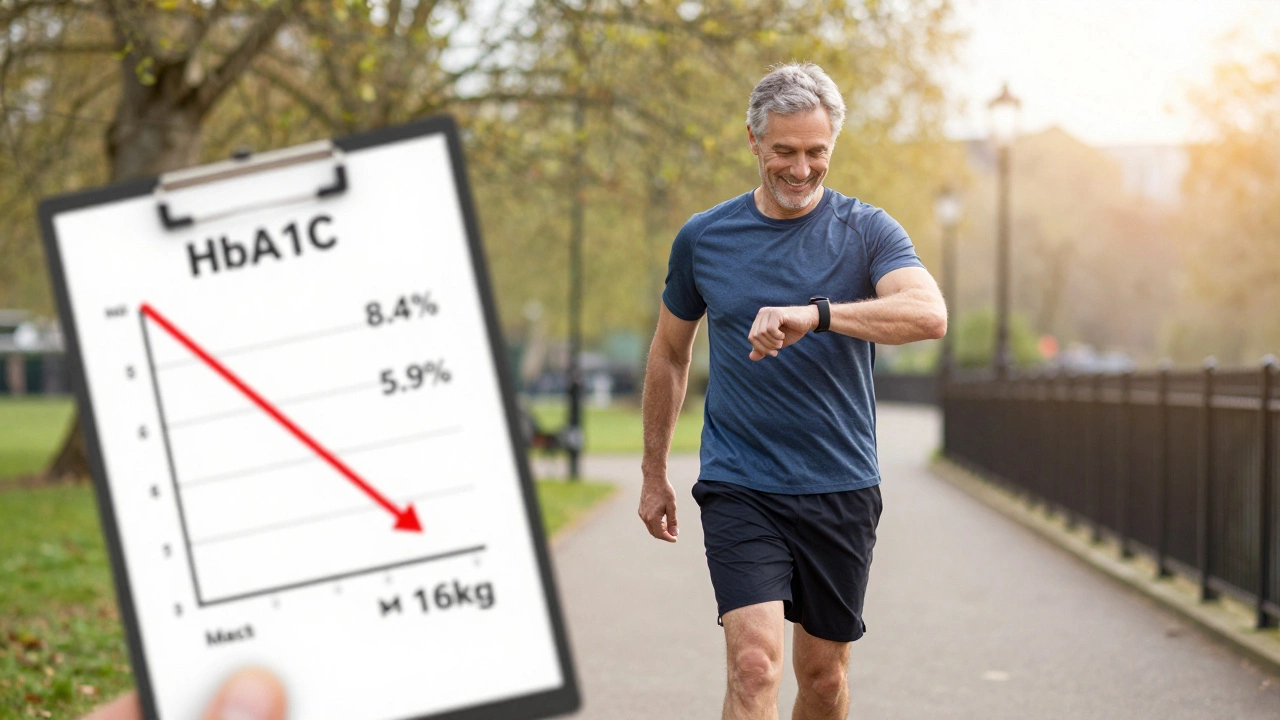
A 58-year-old man from London, on metformin for 8 years, struggled with his HbA1c stuck at 8.4% and gained 18 kg. After switching to tirzepatide, his HbA1c dropped to 5.9% in 6 months. He lost 16 kg. He stopped his blood pressure medication. His sleep apnea improved. He’s now walking 5 km every morning.
This isn’t an outlier. Across UK clinics, similar stories are emerging. People aren’t just controlling their diabetes-they’re reclaiming their health.
Is tirzepatide the same as Ozempic?
No. Ozempic contains semaglutide, which only mimics GLP-1. Tirzepatide mimics both GLP-1 and GIP, making it more effective at lowering blood sugar and promoting weight loss. In head-to-head trials, tirzepatide outperformed semaglutide on both measures.
Can I take tirzepatide if I have kidney problems?
Yes, but your dose may need adjusting. Tirzepatide is safe for people with mild to moderate kidney disease. It’s not recommended for severe kidney failure. Always tell your doctor about your kidney function before starting.
Does tirzepatide cause low blood sugar?
It rarely does on its own. But if you’re also taking insulin or sulfonylureas (like gliclazide), your risk of low blood sugar increases. Your doctor will likely lower those doses when you start tirzepatide to avoid hypoglycemia.
How long does it take to see results?
Blood sugar levels usually start dropping within the first 2-4 weeks. Weight loss typically becomes noticeable after 8-12 weeks. Full effects, including improved heart and liver health, take 6-12 months.
Is tirzepatide covered by the NHS?
Yes, if you meet the criteria: HbA1c above 7% despite other treatments, BMI over 30, and no contraindications. Your diabetes specialist must approve it. It’s not automatic-it’s assessed case by case.
If you’ve been struggling with diabetes and weight, tirzepatide offers real hope. It’s not perfect. But it’s the most powerful tool we’ve had in decades. Talk to your doctor. Ask if it’s right for you. And don’t wait-better health doesn’t come from waiting.