Cancer Risk & Survival Rate Estimator
Personalized Cancer Risk Assessment
Your Personalized Risk Assessment Results
Pancreatic Cancer Risk
Lung Cancer Risk
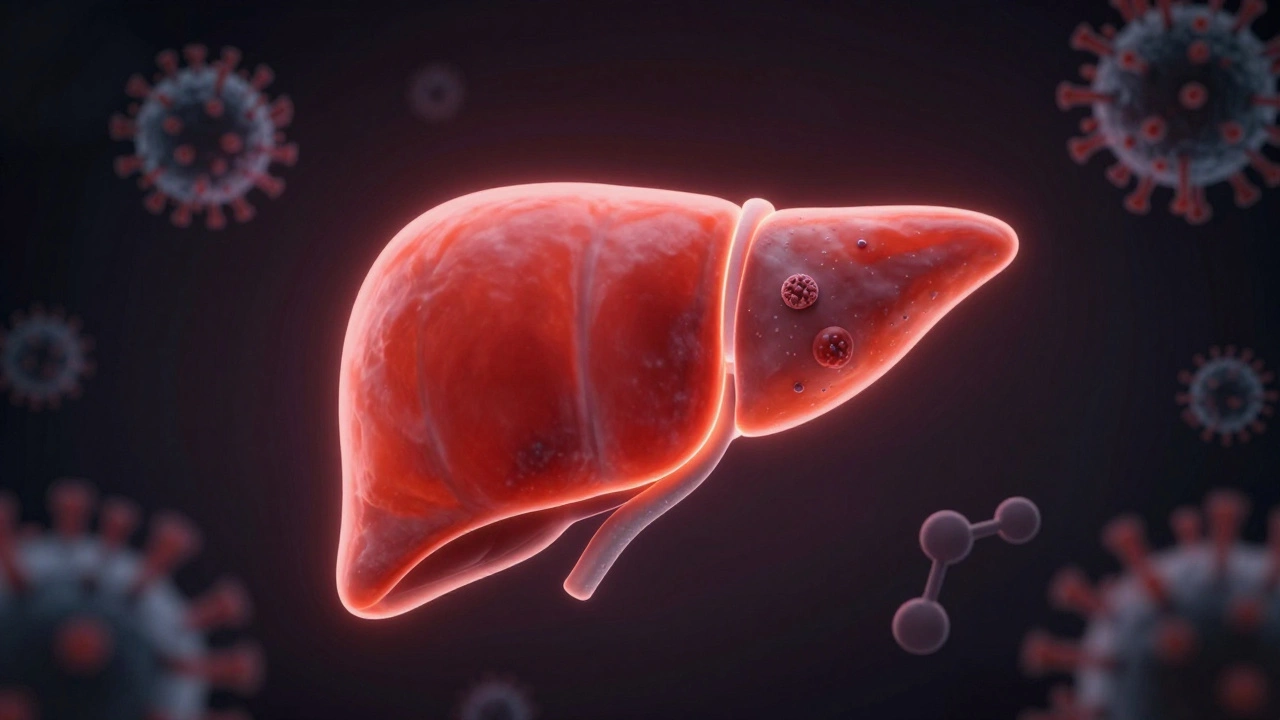
Liver Cancer Risk
Important Disclaimer:
This tool provides general information based on statistical data. It is not a medical diagnosis. Please consult with healthcare professionals for personalized advice and screening recommendations.
When people hear the word "cancer," they often think of a single disease. But in reality, it is a collection of over 200 different conditions, each with its own behavior, treatment path, and outcome. Some are highly treatable, even curable, if caught early. Others are notoriously difficult to manage, carrying low survival rates and high mortality regardless of medical advances. So, what are the top 3 worst cancers? The answer isn't just about how many people get them-it’s about how deadly they are once diagnosed.
The "worst" cancers are typically defined by three factors: low five-year survival rates, late-stage diagnosis due to vague symptoms, and resistance to standard treatments like chemotherapy or radiation. Based on current data from global health organizations like the World Health Organization (WHO) and the American Cancer Society, pancreatic cancer, lung cancer, and liver cancer consistently rank as the most lethal. Let’s break down why these three stand out-and what that means for patients and families.
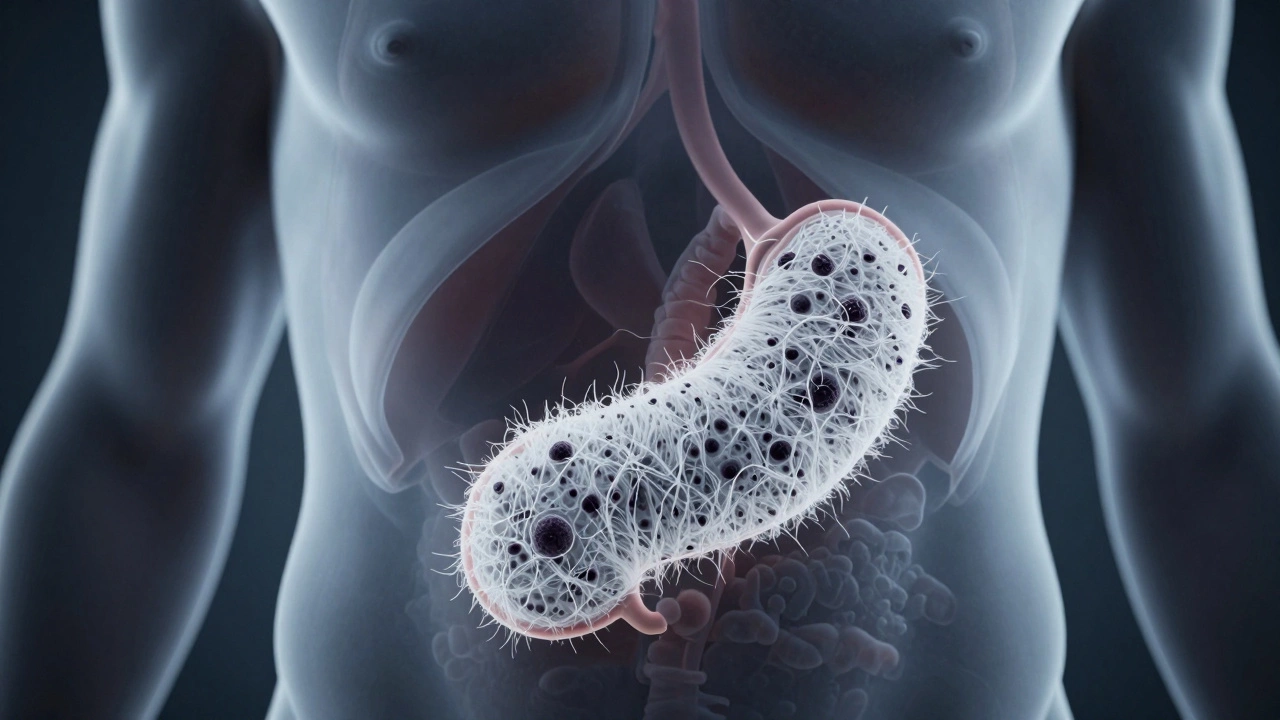
Why Pancreatic Cancer Is Often Called the Most Lethal
So why is it so dangerous? First, the pancreas is located deep within the abdomen, making tumors hard to detect until they’ve grown large or spread. Second, symptoms like abdominal pain, unexplained weight loss, and jaundice often mimic less serious conditions, leading to delayed diagnosis. By the time most patients are diagnosed, the cancer has already metastasized-meaning it has spread to other organs like the liver or lungs.
Another factor is biological aggression. Pancreatic ductal adenocarcinoma (PDAC), the most common type, creates a dense protective barrier around tumor cells called the "stroma." This stroma blocks chemotherapy drugs from reaching the cancer cells effectively. Researchers at institutions like MD Anderson Cancer Center have spent years trying to break through this barrier, but results remain modest.
Who is at risk? Smoking, chronic pancreatitis, diabetes, obesity, and family history increase susceptibility. About 95% of cases occur in adults over 65, though younger cases are rising-a trend linked to poor diet and lifestyle changes. Early screening is not routine because there’s no simple test like a mammogram or colonoscopy. Blood tests for CA 19-9 markers exist but aren’t reliable enough for widespread use yet.
If you or someone you know has persistent digestive issues, sudden onset diabetes, or unexplained yellowing of the skin (jaundice), don’t wait. See a doctor immediately. Time matters more than ever with pancreatic cancer.
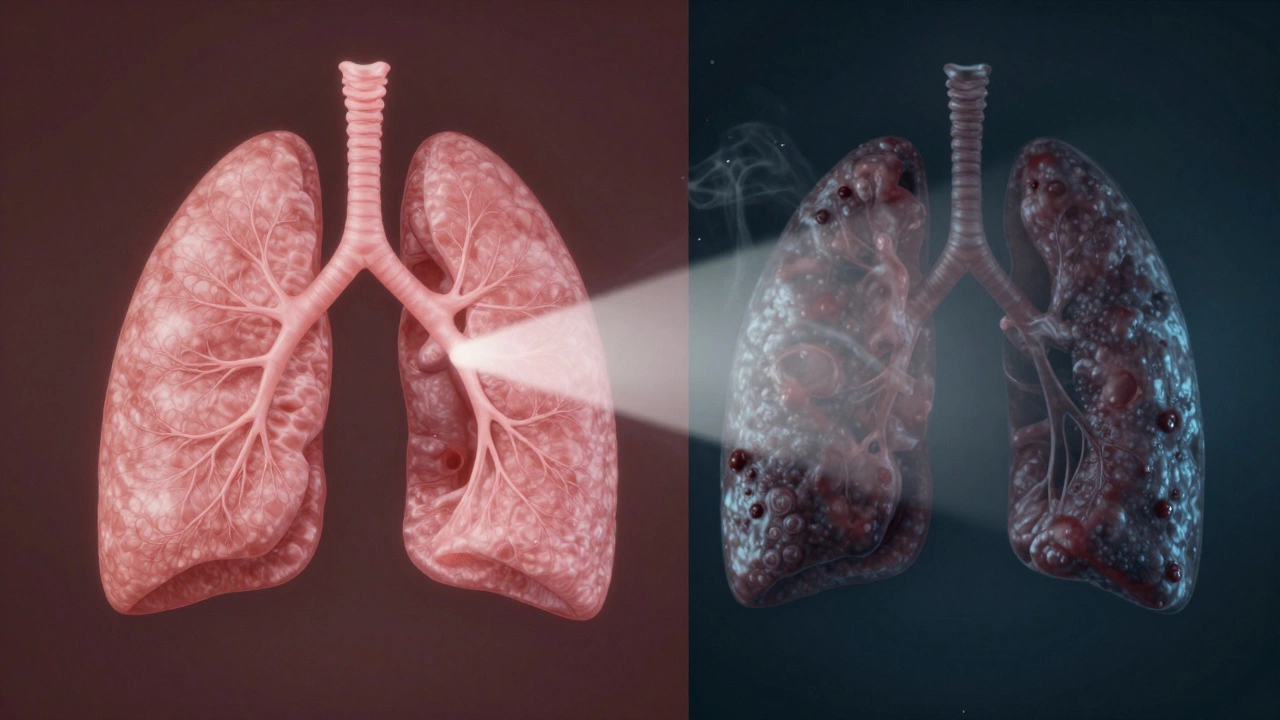
Lung Cancer: Still the Leading Cause of Cancer Death Worldwide
You might wonder: if we’ve known for decades that smoking causes lung cancer, why is it still so deadly? The short answer is complexity. There are two main types: non-small cell lung cancer (NSCLC) and small cell lung cancer (SCLC). NSCLC makes up about 85% of cases and grows slower, while SCLC is rare but extremely aggressive, spreading quickly throughout the body.
Even among smokers who quit, the risk doesn’t disappear overnight. Tar and toxins linger in lung tissue for years, causing cellular damage that can turn cancerous later. And here’s the twist: nonsmokers also develop lung cancer-about 20% of cases in women and 10% in men are linked to secondhand smoke, radon exposure, asbestos, or genetic mutations.
Treatment options have improved dramatically thanks to precision medicine. Drugs like osimertinib target specific gene mutations (like EGFR or ALK) found in some lung cancers, offering hope where chemo failed before. Immunotherapies such as pembrolizumab help the immune system recognize and attack cancer cells. Yet access to these therapies varies wildly depending on geography and insurance coverage.
Early detection saves lives. Low-dose CT scans can spot nodules before they become invasive. If you’re over 50, have smoked heavily, or live near heavy industrial zones, talk to your physician about screening. Don’t assume you’re safe because you never lit a cigarette yourself.
Liver Cancer: Silent Killer With Few Warning Signs
The liver is remarkable-it regenerates itself, filters toxins, stores energy, and supports countless metabolic functions. But it doesn’t complain easily. Unlike other organs, the liver lacks pain nerves inside its parenchyma, meaning tumors can grow silently for months or even years without noticeable symptoms.
By the time swelling, fatigue, nausea, or ascites (fluid buildup in the abdomen) appear, the cancer may have already invaded nearby structures or traveled elsewhere. That’s why regular monitoring is critical for high-risk groups: people with chronic viral hepatitis, alcoholic liver disease, non-alcoholic steatohepatitis (NASH), or hemochromatosis (iron overload disorder).
In Asia and Africa, hepatitis B virus (HBV) drives much of the burden. In Western countries, hepatitis C (HCV) and alcohol-related cirrhosis dominate. Antiviral treatments have reduced HCV transmission significantly, but HBV still affects nearly 300 million people worldwide-with no cure, only suppressive therapy.
Surgical removal works well for early-stage tumors confined to one lobe. For larger或多-focal tumors, ablation techniques (radiofrequency or microwave) destroy cancer locally. Transplant surgery offers another option-but donor shortages limit availability. Newer approaches include tyrosine kinase inhibitors (TKIs) like sorafenib and lenvatinib, which slow progression rather than eliminate disease entirely.
Prevention starts upstream. Vaccinate against hepatitis B. Limit alcohol intake. Maintain healthy weight to avoid fatty liver. Get tested if you belong to any high-risk group. Your liver won’t yell at you-but it deserves your attention anyway.
Comparing the Three Deadliest Cancers
| Cancer Type | Five-Year Survival Rate | Main Risk Factors | Common Symptoms | Screening Availability |
|---|---|---|---|---|
| Pancreatic Cancer | ~10-11% | Smoking, age >65, diabetes, family history | Abdominal pain, weight loss, jaundice | No routine screening; blood marker CA 19-9 unreliable alone |
| Lung Cancer | ~20% overall (varies by stage) | Smoking, radon, asbestos, air pollution | Cough, chest pain, shortness of breath, coughing blood | Low-dose CT scan recommended for high-risk individuals |
| Liver Cancer | <20% at advanced stage | Hepatitis B/C, cirrhosis, alcohol abuse, NASH | Fatigue, abdominal swelling, nausea, easy bruising | Ultrasound + AFP blood test every 6 months for high-risk patients |
This table highlights key differences-not just in lethality, but in prevention potential and diagnostic tools available. Notice how lung cancer benefits from established screening protocols, whereas pancreatic cancer lags far behind. Liver cancer falls somewhere in between, relying heavily on proactive surveillance for those already living with underlying liver disease.
What Makes a Cancer “Worst”? Beyond Statistics
Survival rates tell part of the story, but they don’t capture everything. Consider quality of life during treatment. Chemotherapy side effects vary widely: hair loss, nausea, neuropathy, cognitive fog-all impact daily functioning differently across cancer types.
Then there’s emotional toll. A diagnosis of pancreatic cancer often comes with shock and despair-not just because of prognosis, but because treatment feels futile after multiple failed attempts. Families struggle financially too. Out-of-pocket costs for experimental trials, palliative care, and travel to specialized centers add up fast.
Geographic disparity plays a role too. Patients in rural areas face longer waits for specialists, fewer clinical trial sites, and limited access to cutting-edge tech like proton beam therapy. Urban centers tend to offer better multidisciplinary teams-including oncologists, surgeons, nutritionists, psychologists-who coordinate care seamlessly.
Mental health support should be integrated into every cancer journey. Anxiety, depression, fear of recurrence-they’re normal responses. Seek counseling, join support groups, lean on loved ones. You shouldn’t have to fight this battle alone.
Emerging Hope: Innovations Changing the Game
Despite grim statistics, science moves forward. CAR-T cell therapy shows promise in certain blood cancers, and researchers are adapting similar strategies for solid tumors like pancreatic and liver cancer. mRNA vaccines originally developed for COVID-19 are now being repurposed to train immune systems to recognize cancer antigens.
Artificial intelligence helps radiologists spot tiny lesions earlier. Liquid biopsies detect circulating tumor DNA in blood samples-potentially replacing invasive procedures someday. Gene editing tools like CRISPR aim to correct faulty genes responsible for hereditary cancers.
These aren’t miracles yet-but they represent real momentum. Clinical trials expand rapidly. Drug approvals accelerate. Collaboration between academia, industry, and patient advocacy groups fuels innovation.
If you’re facing a tough diagnosis, ask your doctor about participating in trials. Many hospitals publish open studies online. Participation could give you access to next-gen treatments unavailable elsewhere.
How to Reduce Your Risk Today
- Quit smoking. No matter how long you’ve smoked, quitting reduces future cancer risk significantly.
- Vaccinate against hepatitis B. Available since childhood, it prevents lifelong infections that lead to liver cancer.
- Eat whole foods. Diets rich in vegetables, fruits, whole grains, and lean proteins lower inflammation and oxidative stress.
- Limit alcohol. Heavy drinking damages liver cells and increases pancreatic cancer risk.
- Get moving. Regular physical activity boosts immunity and regulates hormones linked to cancer growth.
- Know your family history. Genetic counseling identifies inherited mutations (BRCA, Lynch syndrome, etc.) that raise susceptibility.
- Attend screenings. Follow guidelines based on age, gender, ethnicity, and personal risk profile.
Small habits compound over time. Prevention beats intervention every time.
Are there any cures for pancreatic cancer?
Currently, there is no guaranteed cure for pancreatic cancer, especially when diagnosed at late stages. However, surgical resection (Whipple procedure) combined with adjuvant chemotherapy can extend survival in select early-stage cases. Ongoing research focuses on improving drug delivery mechanisms and enhancing immune response targeting pancreatic tumors.
Can lung cancer be prevented completely?
While complete prevention isn’t possible due to environmental exposures and genetic factors, reducing tobacco use eliminates the majority of preventable cases. Avoiding occupational hazards (asbestos, silica dust), testing homes for radon, and wearing masks in polluted environments further decrease risk.
Is liver cancer contagious?
Liver cancer itself is not contagious. However, viruses that cause liver damage-such as hepatitis B and C-are transmissible through bodily fluids, shared needles, unprotected sex, or mother-to-child transmission during birth. Preventing viral hepatitis indirectly lowers liver cancer incidence.
Which cancer kills fastest after diagnosis?
Pancreatic cancer tends to progress rapidly, with median survival ranging from 3-6 months for untreated metastatic cases. Small cell lung cancer also spreads aggressively, doubling in size within weeks. Both require immediate medical evaluation upon symptom onset.
Do survival rates improve with newer treatments?
Yes, incremental gains continue. Targeted therapies and immunotherapies have boosted five-year survival rates slightly-for example, melanoma saw dramatic improvements thanks to BRAF inhibitors and checkpoint blockers. Similar breakthroughs are emerging slowly for pancreatic and liver cancers, albeit less pronounced thus far.
Should I worry if I have mild abdominal discomfort?
Occasional indigestion or bloating usually stems from benign causes like gastritis or irritable bowel syndrome. Persistent pain lasting more than two weeks, accompanied by unintended weight loss or changes in bowel habits, warrants professional assessment. Never ignore recurring symptoms-even if they seem minor initially.
How does location affect cancer outcomes?
Patients residing near major academic medical centers generally experience better outcomes due to faster access to diagnostics, multidisciplinary consultations, and enrollment in clinical trials. Rural residents may endure delays exceeding several weeks, impacting staging accuracy and timely initiation of therapy.
Can alternative medicine help treat cancer?
Complementary therapies like acupuncture, meditation, yoga, and herbal supplements may alleviate side effects and enhance wellbeing. They should never replace conventional treatments unless explicitly advised by licensed oncologists. Always disclose all remedies used to avoid harmful interactions with prescribed medications.