The #1 secret to weight loss isn't calorie counting or extreme diets-it's fixing your hormones, eating whole foods, and building habits that last. Discover what really works.
Read MoreFat Loss: Real Ways to Lose Weight Without Fads or Quick Fixes
When we talk about fat loss, the process of reducing body fat through sustainable lifestyle changes, not just weight loss on the scale. Also known as body fat reduction, it’s not about shrinking your number on the scale—it’s about changing how your body stores and uses energy. Most people think fat loss means eating less and working out harder. But that’s not how the body works. If you cut calories too low, your metabolism slows down. If you over-exercise, your stress hormones rise—and that makes fat loss harder, not easier.
True fat loss happens when your body stops holding onto fat as a survival response. That’s why metabolism, how your body converts food into energy and burns calories at rest matters more than any diet trend. Your metabolism isn’t broken—it’s just confused by crash diets, sleep loss, and chronic stress. Ayurveda has known this for centuries: when your digestion (agni) is weak and your stress (vata) is high, fat sticks around no matter what you eat. That’s why Ayurveda weight loss, a traditional Indian approach to fat reduction using herbs, meal timing, and lifestyle rhythm works for so many people in India. It doesn’t force your body. It helps it find balance.
Look at the posts here. You’ll see how fat loss connects to things you might not expect: ashwagandha doesn’t make you gain weight—it helps your body stop storing fat from stress. Ayurvedic cleanses aren’t magic detoxes—they can backfire if your liver is overloaded. Even nerve pain and diabetes meds affect how your body holds onto fat. This isn’t a list of diets. It’s a collection of real, science-backed insights from people who’ve been there. You’ll find what actually helps: how to eat for your body type, which herbs support fat burning without side effects, and why skipping meals often makes you fatter. No gimmicks. No pills. Just clear, practical advice rooted in both modern science and Indian wellness traditions.
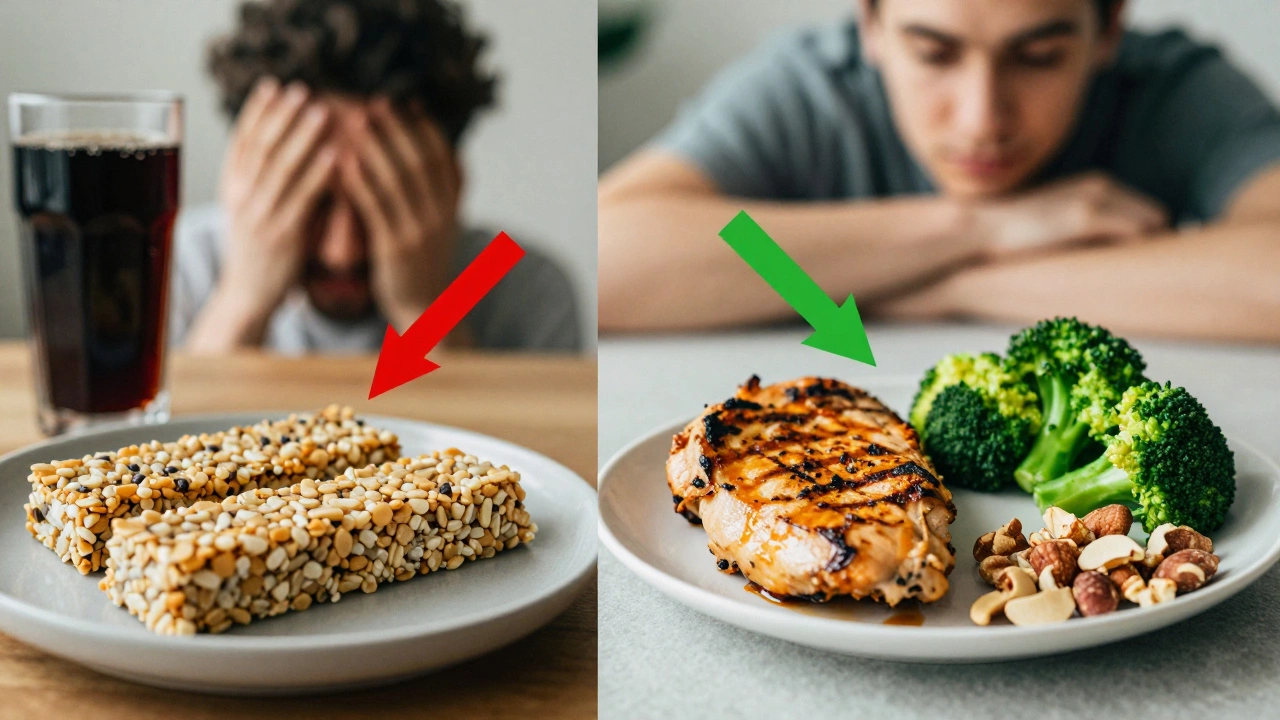
What Is the #1 Secret to Weight Loss? The Real Answer No One Tells You
Archive
Categories

What Herbs Increase Blood Pressure? Top 7 Herbs to Avoid If You Have Hypertension
Some herbs commonly used for energy, stress, or digestion can dangerously raise blood pressure. Learn which 7 herbs to avoid if you have hypertension - and what safer alternatives exist.

Foods and Habits to Avoid for Balancing Vata Dosha
Vata dosha, one of the three primary constitutional types in Ayurveda, governs movement and is associated with characteristics like dryness and coldness. To maintain balance within the Vata type, certain foods and habits should be avoided. This article delves into the dietary and lifestyle choices that disrupt Vata harmony. Readers will find practical tips to nurture their element and sustain a tranquil, healthful life.

Buying Herbal Supplements: Key Factors to Check
Learn how to pick safe, effective herbal supplements by checking labels, third‑party testing, dosage, and credible sources. A practical guide for confident buying.

Best Drinks for Easing Arthritis Symptoms
Living with arthritis can be a daily struggle, but the right drinks can ease the pain. This article dives into beverages that might help reduce inflammation and support joint health. From golden turmeric milk to tangy tart cherry juice, find out what could be soothing your aching joints. Hydration and inflammation-fighting drinks are key. Discover how simple daily choices can make a big difference.

Affordable Wegovy: The $25 Weight Loss Solution
Wegovy, a groundbreaking weight loss medication, has been making waves with reports of availability for as low as $25, raising questions about its accessibility and affordability through weight loss clinics. Many clinics are finding innovative ways to provide this medication at a reduced cost. Exploring the real cost, insurance options, and potential savings helps uncover how Wegovy might fit into your budget. Understanding these avenues can be crucial for those seeking effective weight loss solutions without breaking the bank.