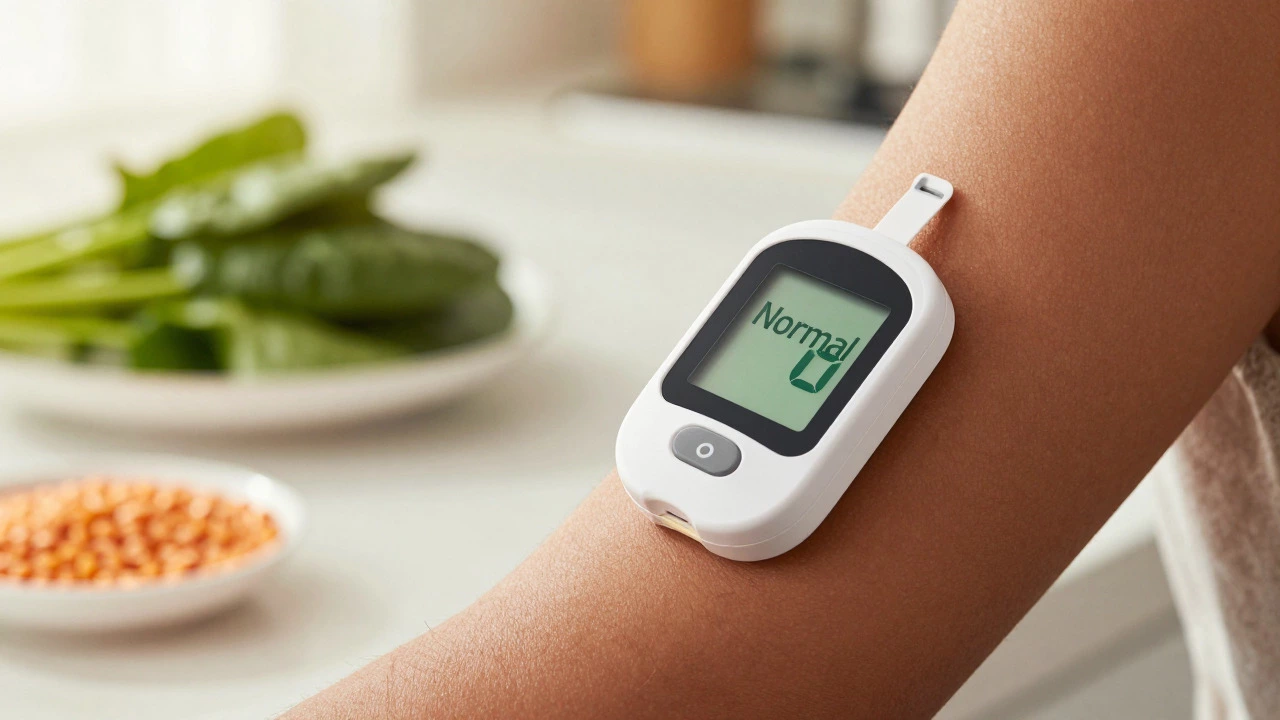
Type 2 Diabetes Remission Estimator
Based on the landmark DiRECT trial, significant weight loss (approx. 15kg) combined with improved blood sugar levels significantly increases the probability of achieving remission.
Estimated Remission Probability
Based on clinical data models
- Projected Final HbA1c: --%
- Key Insight: --
Imagine waking up one morning and realizing you no longer need to check your blood sugar before breakfast. For millions of people living with Type 2 diabetes, a chronic metabolic condition characterized by high blood sugar levels due to insulin resistance or insufficient insulin production, that moment feels like a distant dream. But here is the truth: we are closer than ever to something that looks and acts a lot like a cure. It’s called remission.
In 2026, the medical landscape has shifted dramatically. We aren’t just managing symptoms anymore; we are reversing the disease process itself. While a single pill that permanently fixes the underlying genetic and lifestyle factors doesn’t exist yet, significant advancements in medication and surgical interventions have made long-term remission a realistic goal for many patients. Let’s break down exactly where we stand today, what is working, and why the word "cure" is still tricky.
The Shift from Management to Remission
For decades, the standard advice was simple: take your meds, watch your diet, and keep your numbers under control. If they slipped, you increased the dose. This approach treated diabetes as a linear, worsening condition. Today, experts view it differently. They see it as a state that can be reversed if addressed aggressively early enough.
Remission is the term doctors use when your blood sugar levels return to a non-diabetic range (HbA1c below 6.5%) for at least three months without using glucose-lowering medications. It’s not a magic fix, but it stops the damage to your nerves, eyes, and kidneys. The landmark DiRECT trial, a clinical study published in The Lancet demonstrating that intensive weight management could induce remission in type 2 diabetes changed everything. It proved that losing significant weight-specifically around 15 kilograms (33 pounds)-could flush out the excess fat from the liver and pancreas, allowing them to function normally again.
This isn’t just theory. In my practice in London, I’ve seen patients who were on multiple injections for years walk away from their pens entirely after committing to structured weight loss programs. The key takeaway? Weight loss isn’t just about aesthetics; it’s a powerful therapeutic tool that directly targets the root cause of the disease.
The Role of Next-Generation Medications
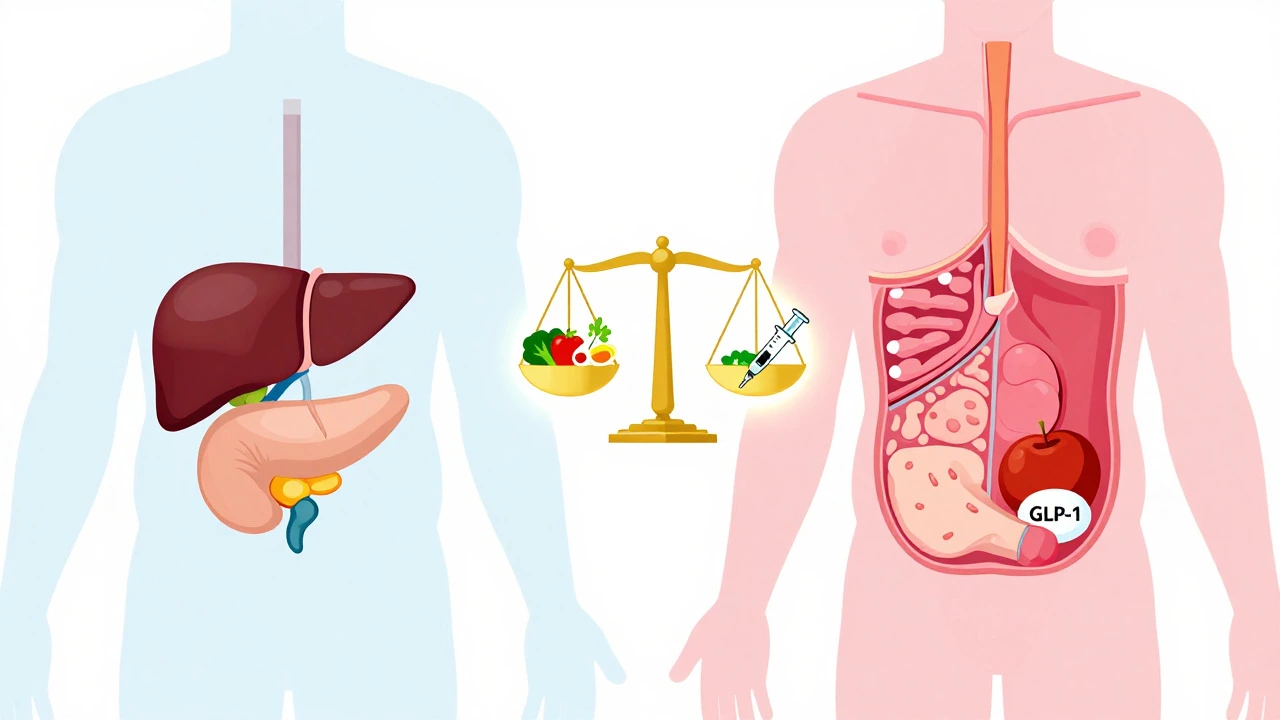
If diet and exercise feel overwhelming, you’re not alone. That’s where modern pharmacology steps in. The introduction of GLP-1 receptor agonists, a class of injectable medications that mimic hormones to regulate blood sugar and reduce appetite has been a game-changer. Drugs like semaglutide and tirzepatide do more than lower blood sugar; they promote substantial weight loss by slowing digestion and signaling fullness to the brain.
| Approach | Mechanism | Weight Loss Potential | Remission Rate |
|---|---|---|---|
| Metformin | Reduces liver glucose production | Minimal (1-2 kg) | Low (<5%) |
| GLP-1 Agonists | Increases insulin secretion, slows gastric emptying | Significant (10-15% body weight) | Moderate to High (30-40%) |
| Bariatric Surgery | Alters gut anatomy and hormone response | Very High (20-30% body weight) | Very High (60-80%) |
These medications have bridged the gap between lifestyle changes and surgery. Patients who previously struggled to lose even five pounds are now shedding twenty or thirty. This rapid reduction in visceral fat-the dangerous fat stored around organs-allows the pancreas to recover its ability to produce insulin. However, these drugs require ongoing use. If you stop taking them, the weight often returns, and so does the diabetes. So, while they enable remission, they don’t necessarily provide a permanent "off switch" unless paired with lasting lifestyle habits.
Surgery: The Most Effective Tool
When we talk about the closest thing to a cure right now, we have to mention Bariatric surgery, surgical procedures such as gastric bypass or sleeve gastrectomy that alter the digestive system to aid weight loss. It might sound extreme, but for individuals with severe obesity and type 2 diabetes, it is often the most effective intervention available.
Studies consistently show that up to 80% of patients achieve remission within two years of surgery. Why? Because surgery does more than restrict food intake. It changes how your gut hormones work. After a gastric bypass, for instance, your body produces more GLP-1 naturally. Your brain gets stronger signals of fullness, and your metabolism shifts into overdrive. It’s a biological reset button.
The downside? It’s invasive. There are risks involved, including infection, nutrient deficiencies, and dumping syndrome. Not everyone is a candidate, and it requires lifelong commitment to vitamin supplements and regular check-ups. But for those who qualify, the benefits often outweigh the risks, especially when you consider the alternative: decades of medication and potential complications like blindness or amputation.
Why Isn’t Everyone in Remission?
If remission is possible, why hasn’t it become the norm? Several barriers remain. First, timing matters. The longer you have had type 2 diabetes, the harder it is to reverse. Beta cells in the pancreas-the ones that make insulin-can burn out over time. If they die off completely, no amount of weight loss will bring them back. This is why early intervention is critical.
Second, access is unequal. GLP-1 medications are expensive and often face supply shortages. Bariatric surgery isn’t covered by all insurance plans, and wait times can be long. In the UK’s National Health Service, for example, strict criteria must be met before surgery is approved, leaving many eligible patients waiting.
Finally, there’s the psychological hurdle. Many people feel guilty about gaining weight or failing to stick to diets. This shame can prevent them from seeking help. We need to shift the narrative: diabetes is a complex physiological disease, not a moral failure. Treating it requires compassion, not judgment.

What About Future Cures?
Scientists are exploring exciting avenues beyond weight loss. Gene therapy aims to correct the genetic mutations that predispose people to insulin resistance. Stem cell research focuses on regenerating beta cells in the lab and transplanting them into patients. While these technologies are promising, they are still largely experimental. Most trials are in early phases, and widespread availability is likely years away.
Another area of interest is the gut microbiome. Research suggests that certain bacteria play a role in inflammation and glucose metabolism. Probiotics and fecal transplants are being studied as potential adjunct therapies. Imagine taking a daily pill that rebalances your gut flora and keeps your blood sugar stable. It sounds like science fiction, but preliminary data is encouraging.
Practical Steps You Can Take Today
You don’t have to wait for a miracle drug. Here’s what you can do right now to move toward remission:
- Prioritize Protein and Fiber: Cut back on refined carbs and sugars. Focus on whole foods like vegetables, lean meats, and legumes. These foods stabilize blood sugar and keep you full longer.
- Strength Training: Muscle tissue burns glucose efficiently. Incorporate resistance exercises at least twice a week. Even light weights or bodyweight squats can improve insulin sensitivity.
- Sleep Hygiene: Poor sleep increases cortisol, which raises blood sugar. Aim for seven to eight hours of quality rest each night.
- Consult Your Doctor: Ask if you’re a candidate for GLP-1 medications or bariatric surgery. Don’t assume you’re too young or too old to benefit.
- Monitor Progress: Use a continuous glucose monitor (CGM) if possible. Seeing real-time data helps you understand how different foods and activities affect your body.
Remember, remission is a journey, not a destination. Some days will be harder than others. But every small step counts. By combining modern medicine with sustainable lifestyle changes, you can take control of your health and potentially eliminate the need for daily medication.
Can type 2 diabetes be cured completely?
While a permanent "cure" that guarantees the disease never returns doesn't exist, long-term remission is achievable for many people. Remission means maintaining normal blood sugar levels without medication. It requires sustained lifestyle changes or ongoing treatment to maintain.
How much weight do I need to lose to put diabetes into remission?
Research suggests that losing approximately 15 kilograms (33 pounds) or 15% of your body weight significantly increases the chances of remission. The earlier you start after diagnosis, the higher the likelihood of success.
Are GLP-1 medications safe for long-term use?
Yes, GLP-1 agonists like semaglutide have been extensively studied and are generally safe. Common side effects include nausea and diarrhea, which usually subside over time. Rare but serious risks include pancreatitis and gallbladder issues. Always consult your doctor before starting.
Does bariatric surgery work for everyone with type 2 diabetes?
No, surgery is most effective for individuals with a BMI over 35 who also have type 2 diabetes. Success rates depend on various factors, including age, duration of diabetes, and adherence to post-surgical guidelines. It is not a one-size-fits-all solution.
Will I regain my diabetes if I stop making lifestyle changes?
Yes, remission is not permanent if you revert to previous habits. Regaining weight or returning to a sedentary lifestyle can cause blood sugar levels to rise again. Ongoing monitoring and healthy choices are essential to maintain remission.